
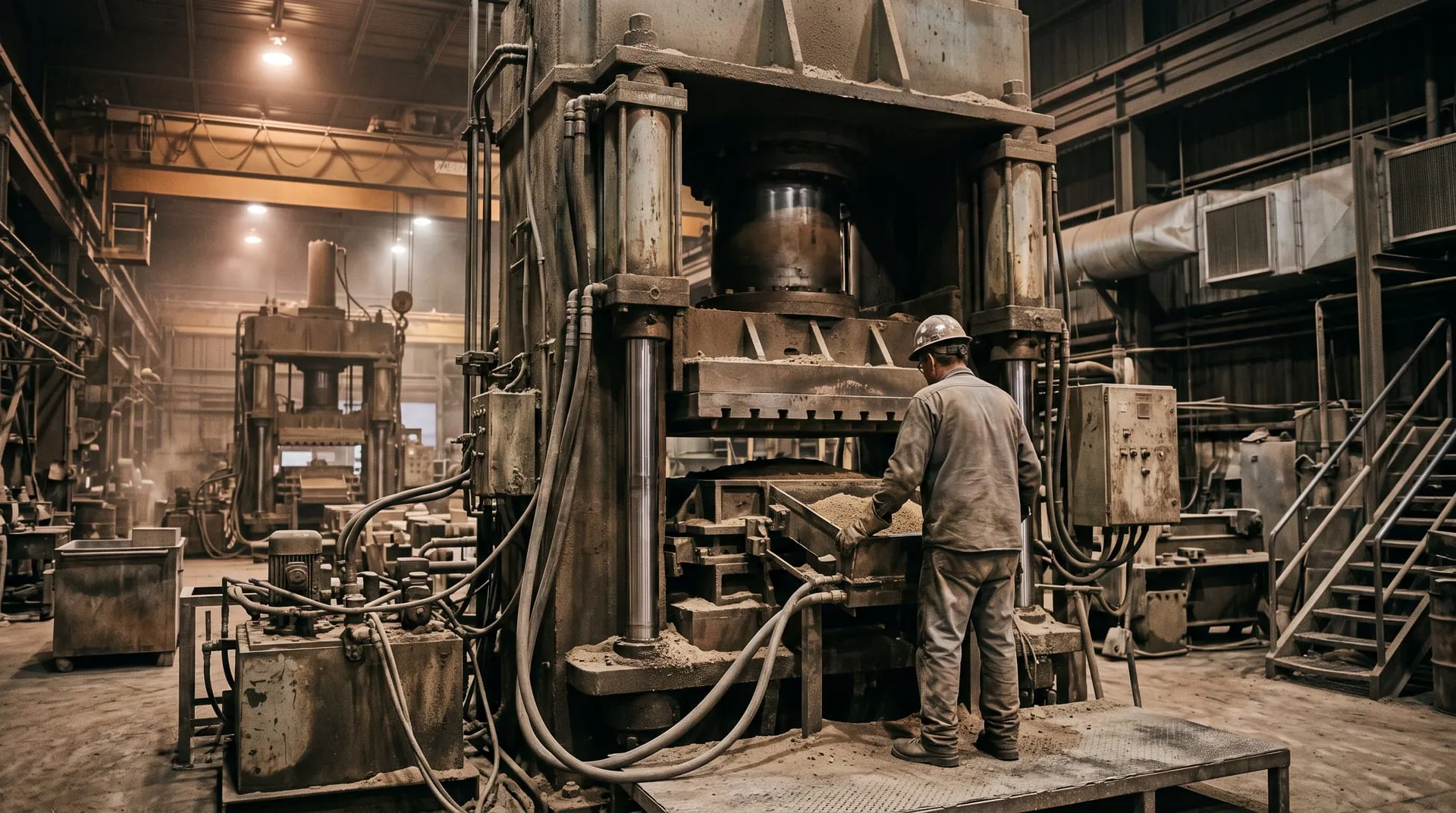
Refractory Press Repair & Plant Maintenancein Northwest Indiana & Chicagoland
Quick overview
South Shore Industrial repairs, rebuilds and maintains refractory brick presses of all makes and models, plus the equipment around them. That means molds, hydraulics, robotic handling, casting lines, crushing and feed systems, material handling for powder, rock, resin and explosive materials, and dust collection. Our field crews and Portage machine shop work as one team.
What goes wrong in a refractory plant?
Refractory plants run abrasive, heavy, dusty material through equipment that has to hold tight dimensions shift after shift. These are the problems we get called for most.
Bricks out of tolerance
Worn mold liners, punches and guides throw density and dimensions off. Scrap and rework climb before anyone sees the root cause.
Hydraulic leaks and pressure loss
Main cylinder seals, valves and accumulators wear under constant high-pressure cycling. The press slows down or stops making full tonnage.
Robotic take-off and stacking faults
Grippers, end-of-arm tooling and handoff timing drift. Green brick gets dropped, chipped or stacked crooked on kiln cars.
Crusher and feed wear
Jaw plates, rolls, screens and feeders wear fast on hard raw materials. Feed rates and particle sizing go unstable.
Dust and combustible material
Fine powders load up filters and ductwork. Some raw materials and binders add fire and explosion risk to every repair.
One press down stops the line
Many plants run one or two presses per product family. A press that won't cycle backs up mixing, drying and the kiln schedule.

Refractory equipment we service
- Hydraulic refractory brick presses (all makes and models)
- Mechanical and screw-type brick presses
- Mold boxes, liners, punches, rams and ejectors
- Press hydraulic power units, cylinders, valves and accumulators
- Fill boxes, filling carriages and press feed systems
- Robotic take-off, gripping and kiln-car stacking systems
- Casting lines, vibration tables and precast molds
- Pan mixers, batch mixers and resin or binder systems
- Jaw, cone and roll crushers, hammer mills and screens
- Bucket elevators, screw conveyors, belt conveyors and bins
- Powder, rock, resin and explosive material handling systems
- Baghouses, dust collectors, ductwork and fans
Refractory
Services for refractory plants
Refractory Press Repair & Service
Brick presses, molds, stackers and feed systems. All makes.
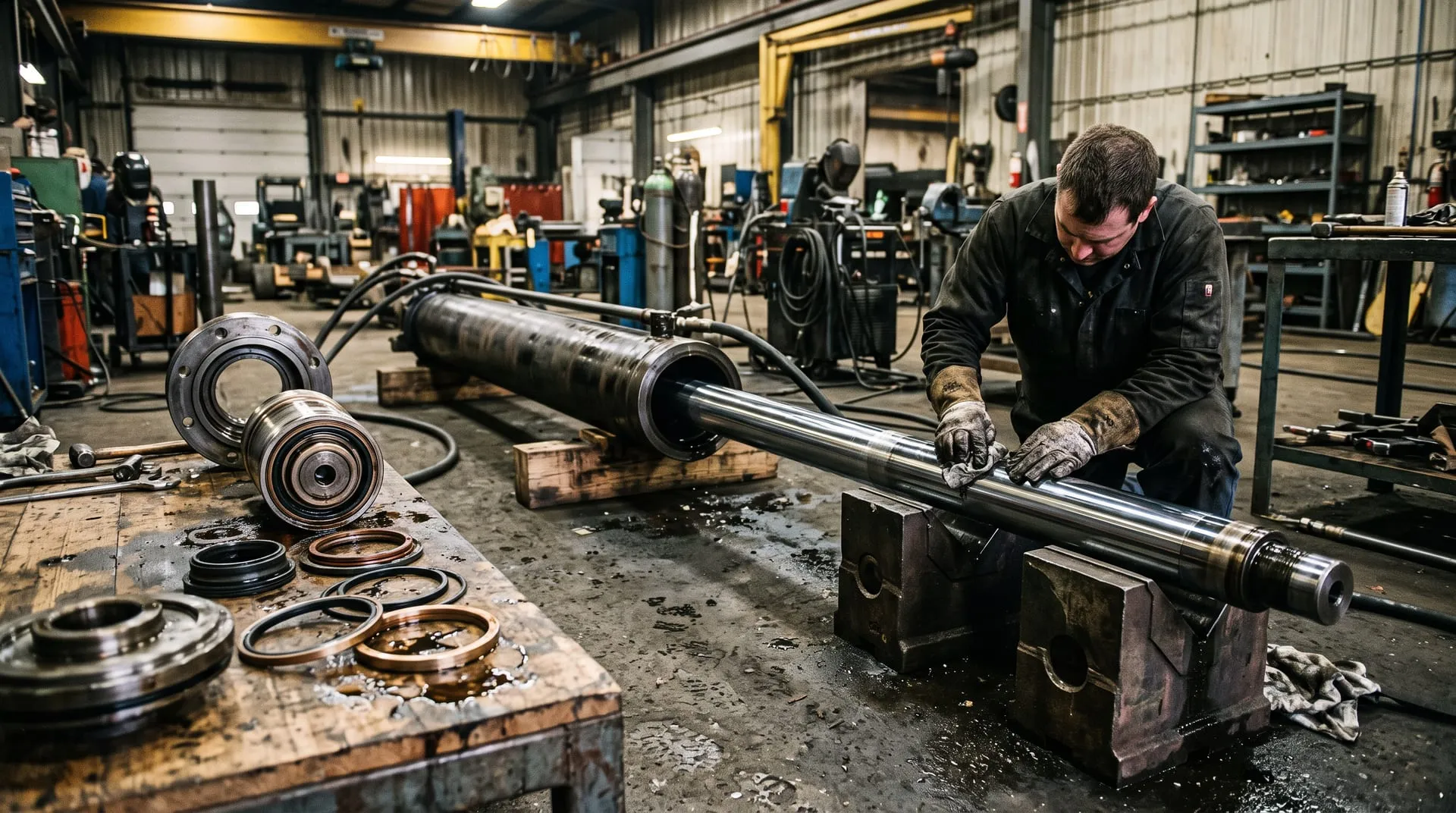
Hydraulic Troubleshooting & Repair
Pumps, valves, cylinders, hoses, leaks and contamination.
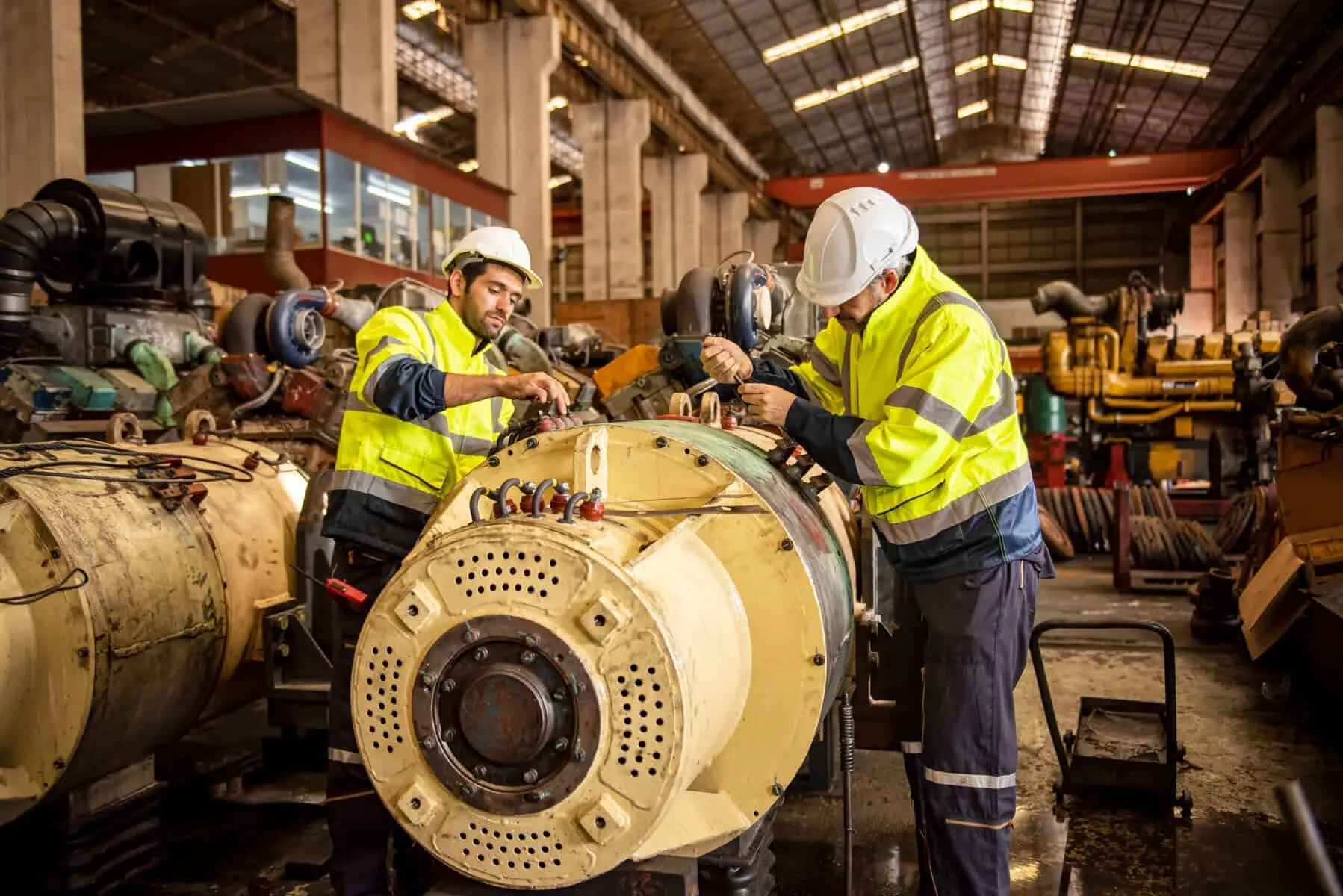
Equipment Rebuilds
Gearboxes, pumps, fans and presses rebuilt to spec.
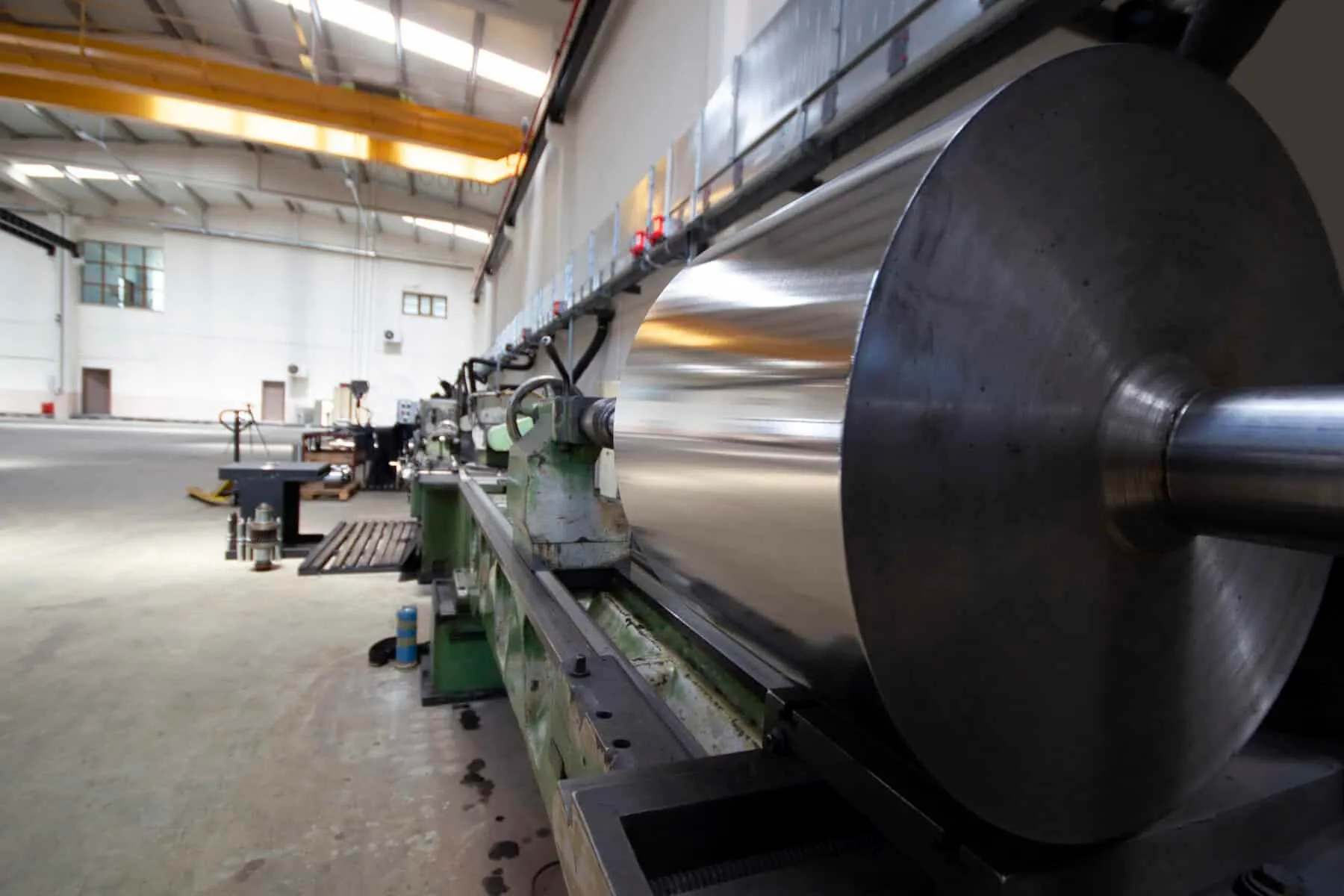
Machine Shop Services
Custom machining, replacement parts and worn-part repair.
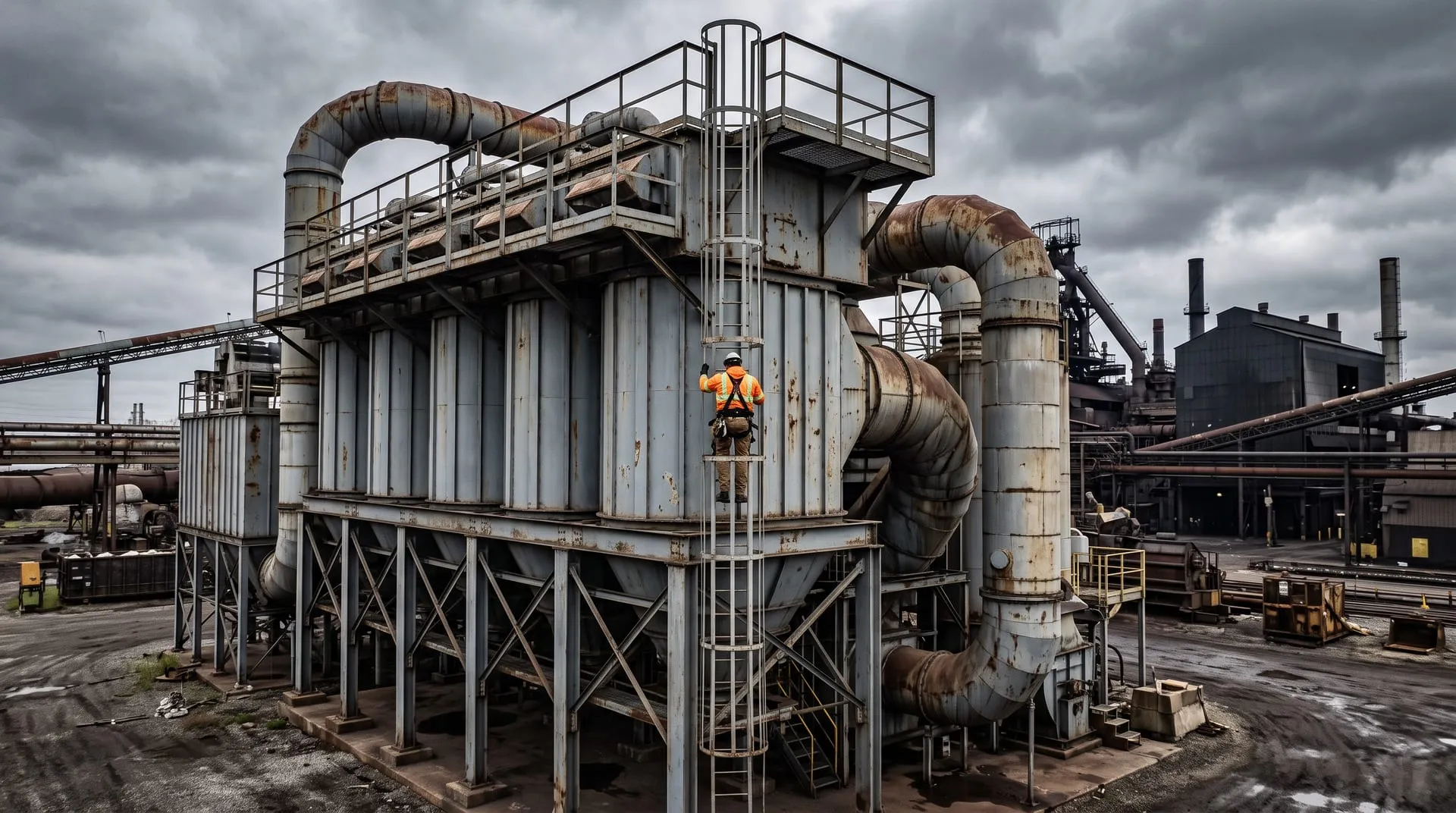
Baghouse & Dust Collection
Bag changeouts, pulse-jet repair, ductwork and leak checks.
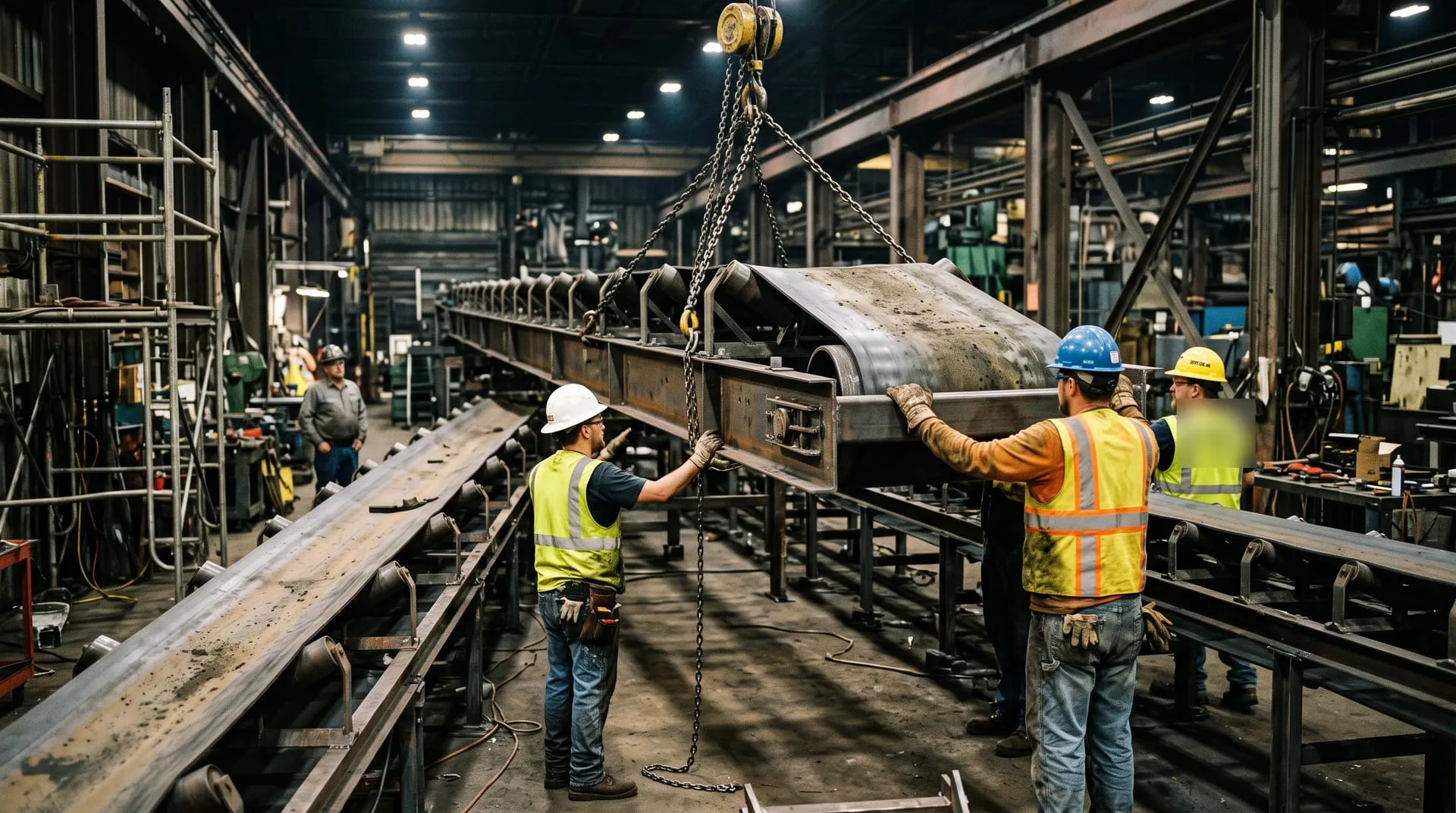
Conveyor Systems
Conveyor installs, repairs, drives, pulleys and tracking.
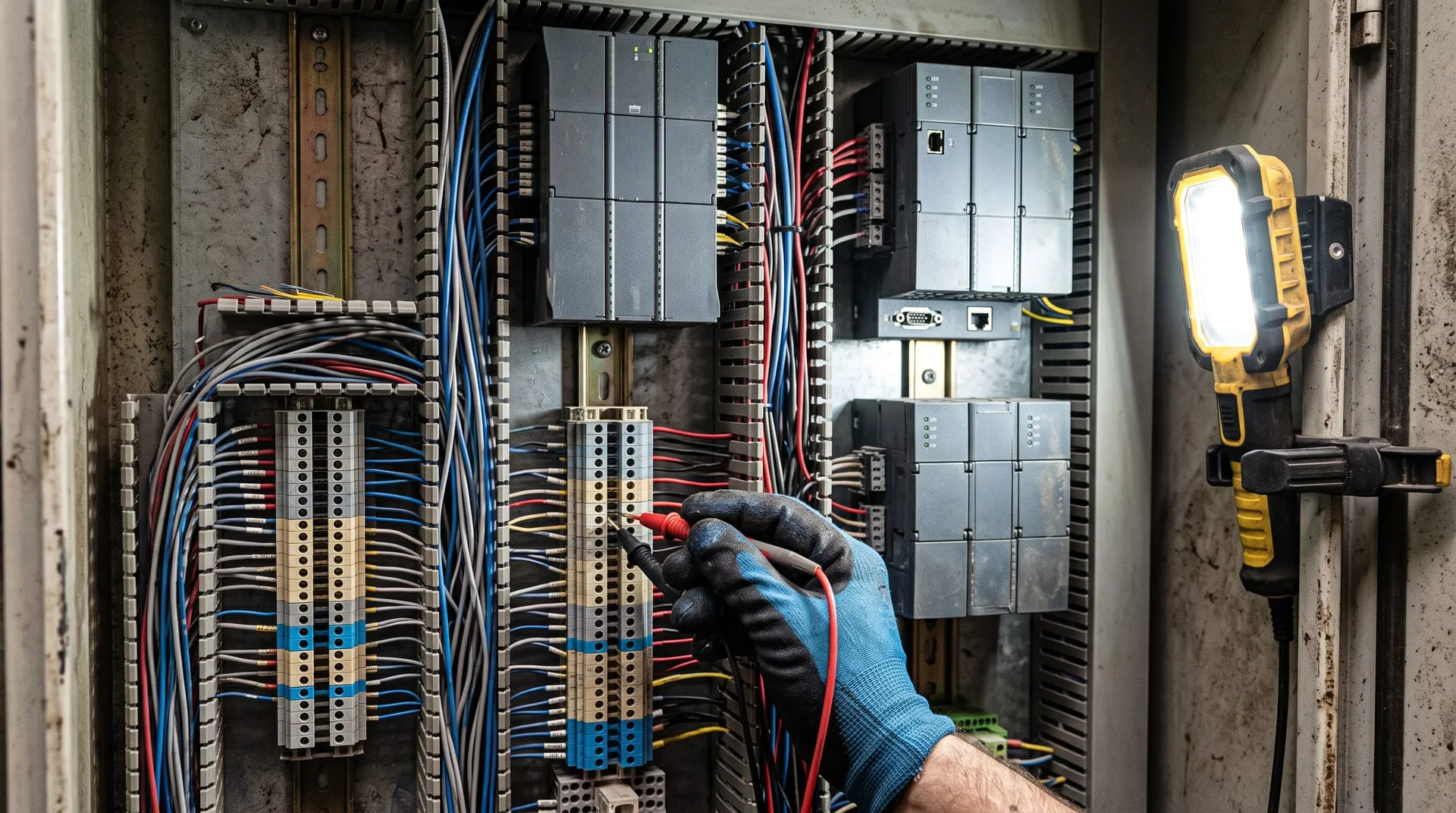
Controls & Automation
Allen-Bradley PLC integration, troubleshooting and panels.
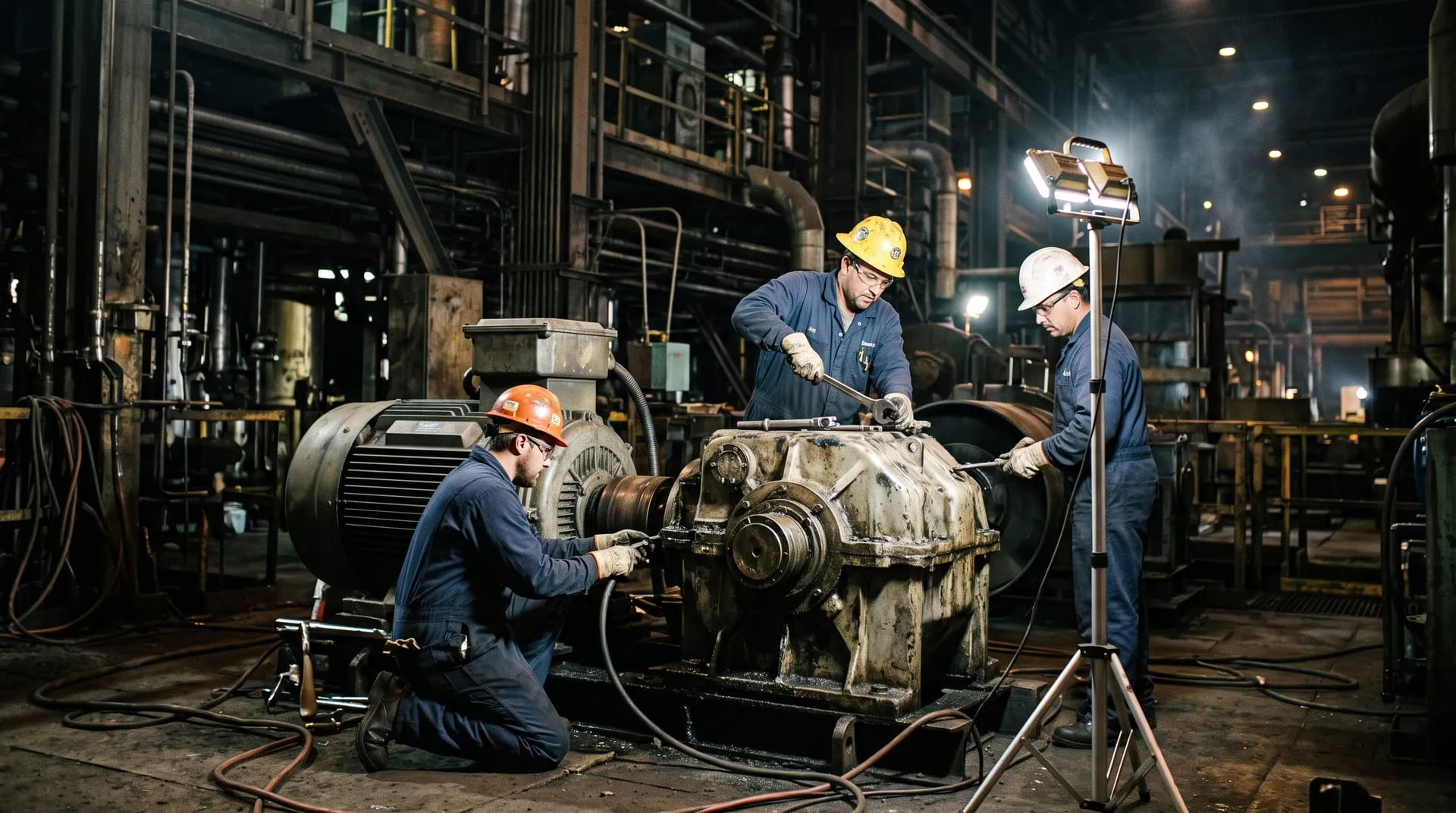
24/7 Emergency Repair
Line down? Call (219) 386-1506, day or night.
What does SSI do for refractory plants?
We keep refractory brick presses and the equipment around them running. Our crews service all makes and models of refractory presses, the robotic handling systems that support them, casting processes, crushing and feed systems, and material handling for powder, rock, resin and explosive materials. One contractor covers the press, the hydraulics, the robots and the dust.
Refractory work takes in-depth knowledge of the equipment. A brick press is a high-tonnage machine that has to repeat the same fill, press and eject cycle to tight dimensions, all day, with abrasive material grinding on every surface it touches. Small wear shows up as density problems, cracked green brick and scrap long before the press actually stops.
What parts of a refractory press do you repair?
We repair every major subsystem on a refractory brick press, from the main hydraulic cylinder to the mold liners. Most press problems come from wear in a few predictable places, so we inspect those first and measure them against spec before recommending a repair or a full refractory press rebuild.
| Subsystem | What wears or fails | What we do |
|---|---|---|
| Main cylinder & seals | Seal leaks, scored rods, pressure loss | Reseal, repair or machine rods and glands, pressure test |
| Hydraulic power unit | Pumps, valves, accumulators, overheating | Hydraulic troubleshooting, rebuild or replace components |
| Mold box & liners | Abrasive wear, out-of-square cavities | Replace or machine liners and wear plates to dimension |
| Punches, rams & ejectors | Face wear, cracking, misalignment | Repair, remachine or fabricate new parts |
| Columns, guides & platens | Guide wear, racking, loose frames | Measure, shim, remachine and realign |
| Fill box & feed | Uneven fill, worn carriages and grids | Rebuild the fill system and set the stroke |
| Controls | Faulty sensors, timing, PLC faults | Allen-Bradley controls integration |
When a part is obsolete or has a long lead time, our machine shop reverse-engineers and machines it in Portage. That is often the difference between a press that sits for weeks and one that runs again on the next shift.
How do you approach a refractory press rebuild?
A press rebuild works best as a planned outage with every part measured and documented. We scope the job before the press comes down, so parts and machining are lined up ahead of time. The process usually runs like this:
- Assess. Walk the press with your maintenance team, review history and log leaks, noise, cycle time and brick quality.
- Disassemble and measure. Tear down the affected subsystems, measure wear and record what is out of spec.
- Repair and machine. Reseal cylinders, rebuild valves and pumps, and machine or fabricate liners, punches and wear parts.
- Reassemble and align. Square the platens and guides, laser-align motors and pumps, and set the fill.
- Test under load. Run the press, check pressure and cycle time, and verify brick dimensions with your quality team.
Pair a rebuild with preventive maintenance and you catch the next round of wear on your schedule, not the press’s.
What about robotics, casting and material handling?
The press is only one part of a refractory plant. We also service the equipment that feeds it and takes product away from it, because a press that cycles perfectly still stops if the robot or the feed system doesn’t.
Robotic handling
We service robotic take-off and stacking cells: grippers, end-of-arm tooling, mounts, guarding and the controls that tie robot timing to the press cycle.
Casting
For castables and precast shapes, we work on mixers, vibration tables, molds and the conveyors between them.
Crushing, feed and conveyance
Our team is experienced with many different crushing systems, their feed systems and material conveyance. That covers crushers, screens, feeders, bucket elevators, screw and belt conveyor systems, and the gearboxes and motors that drive them.
Powder, rock, resin and explosive materials
We have years of experience with powder, rock, resin and explosive material handling. That means planning every repair around the material: cleanup, lockout/tagout, hot work permits and your plant’s own procedures.
How do you handle dust collection in refractory plants?
Refractory dust is fine, abrasive and sometimes combustible, so dust collection gets the same attention as the press. We service baghouses and dust collectors, replace filter bags, rebuild airlocks, fabricate and repair ductwork, and balance and align collector fans. A healthy collector protects your crew, your permit and the equipment downstream.
Why do refractory plants call SSI?
Refractory plants call us because one crew handles the whole system. We diagnose, machine, weld, rebuild, align and recommission without passing the job between three vendors. Our crews are ISNetworld and Avetta prequalified, run a JHA on every job and answer the phone 24/7. When downtime isn’t an option, call for emergency repair at (219) 386-1506.
Refractory FAQs
Do you repair refractory brick presses of all makes and models?
Yes. We service all makes and models of refractory brick presses, both hydraulic and mechanical, along with the robotic handling systems that support them. If an original manufacturer part is no longer available or has a long lead time, our Portage machine shop can reverse-engineer and machine a replacement.
What does a refractory press rebuild include?
A rebuild usually covers the main cylinder and seals, hydraulic valves and pumps, the mold box and liners, punches and rams, guides and wear plates, and the fill system. We inspect, measure and document each part, then repair, machine or replace what is out of spec before testing the press under load.
Why are my refractory bricks coming out of tolerance?
The usual causes are worn mold liners, punches or guides, uneven fill from the filling carriage, or hydraulic pressure that drops off during the pressing cycle. Inconsistent raw material can also play a part. We check the mechanical and hydraulic side together so you fix the cause, not just the symptom.
Can you work on robotic handling systems for brick presses?
Yes. We service the robotic take-off and stacking systems that move green brick from the press to kiln cars or pallets. That includes grippers and end-of-arm tooling, mounting and alignment, and the Allen-Bradley controls integration that ties the robot to the press cycle.
Do you service crushing and feed systems in refractory plants?
Yes. Our crews have worked on many different crushing systems and their feed systems, plus the conveyors, elevators and bins that move material to mixing and pressing. We rebuild drives and gearboxes, replace wear parts and laser-align motors to keep sizing and feed rates steady.
How do you handle explosive or combustible materials during repairs?
Every job starts with a job hazard analysis (JHA). Where combustible dust or reactive materials are present, we plan around them with lockout/tagout, cleanup before work, hot work permits and fire watch. We follow your plant's own procedures and permit system on top of ours.
Can you maintain dust collection equipment in a refractory plant?
Yes. We service baghouses and dust collectors, replace filter bags, repair and fabricate ductwork, and balance and align fans. Refractory dust is fine and abrasive, so we look closely at hoppers, airlocks, duct elbows and fan wheels, where wear shows up first.
Can you respond if a refractory press goes down unexpectedly?
Yes. Our phone line is answered 24/7 at (219) 386-1506. Tell us the press, what it is doing and what has already been tried. We will tell you how fast a crew can get there and what to have ready.

Talk to us about your refractory plant
Tell us what's running rough. We'll tell you how fast we can be there.