
Industrial Scale & Load Cell Servicesin Northwest Indiana
Quick overview
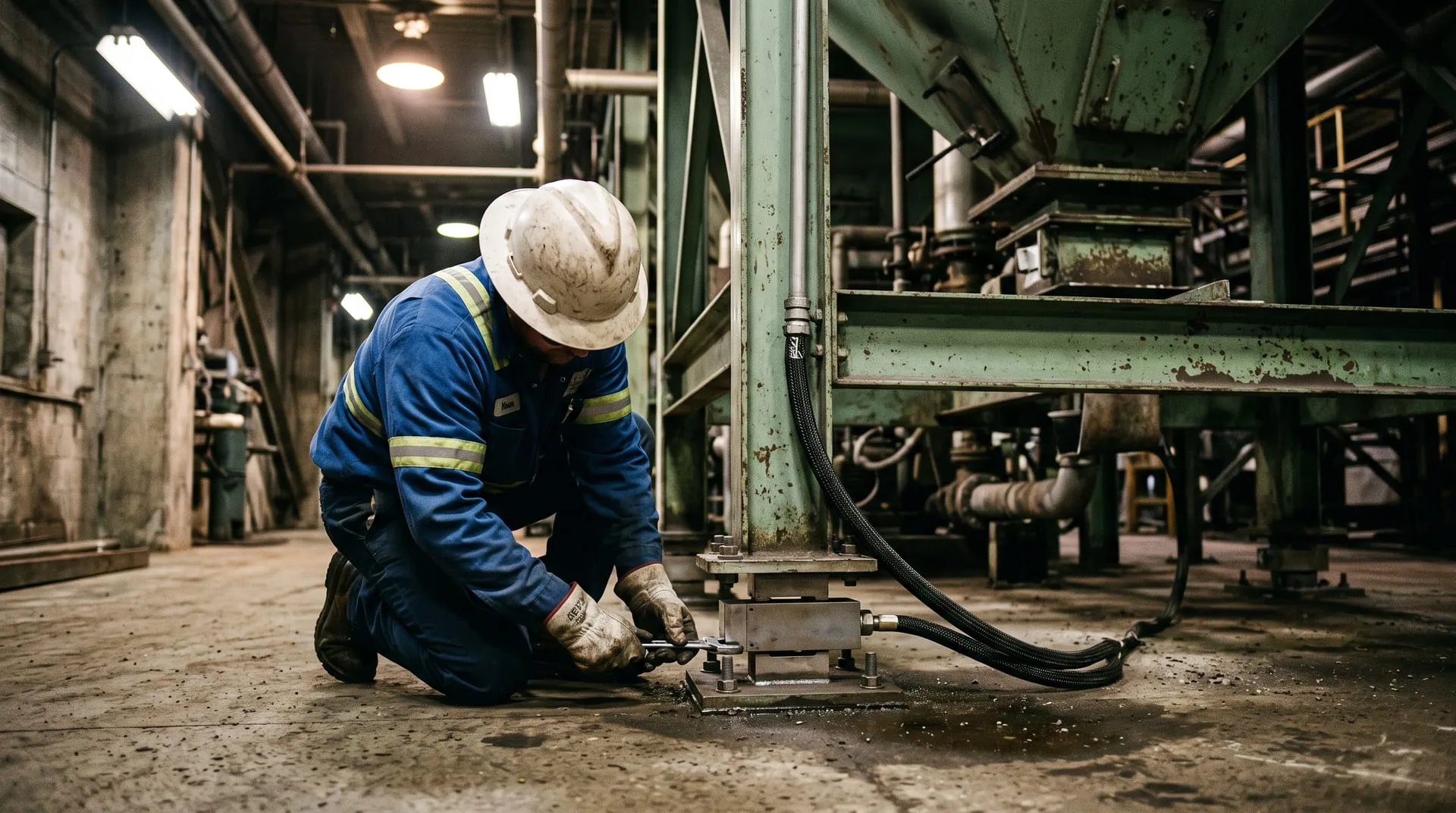
SSI installs, troubleshoots and replaces load cells and the mechanical parts of industrial weighing systems across Northwest Indiana and Chicagoland. That covers hopper and tank scales, floor scales and in-process weighing. We handle mounts, structure, cabling and the binding that throws readings off, and work alongside your calibration provider for certified calibration.
What do scale and load cell services include?
| System | What we do | What you get |
|---|---|---|
| Hopper & tank scales | Load cell and mount install or replacement, check rods, flexible connections | A vessel that weighs freely without binding |
| Floor & platform scales | Load cell replacement, deck and frame repair, leveling and footing | Consistent readings across the deck |
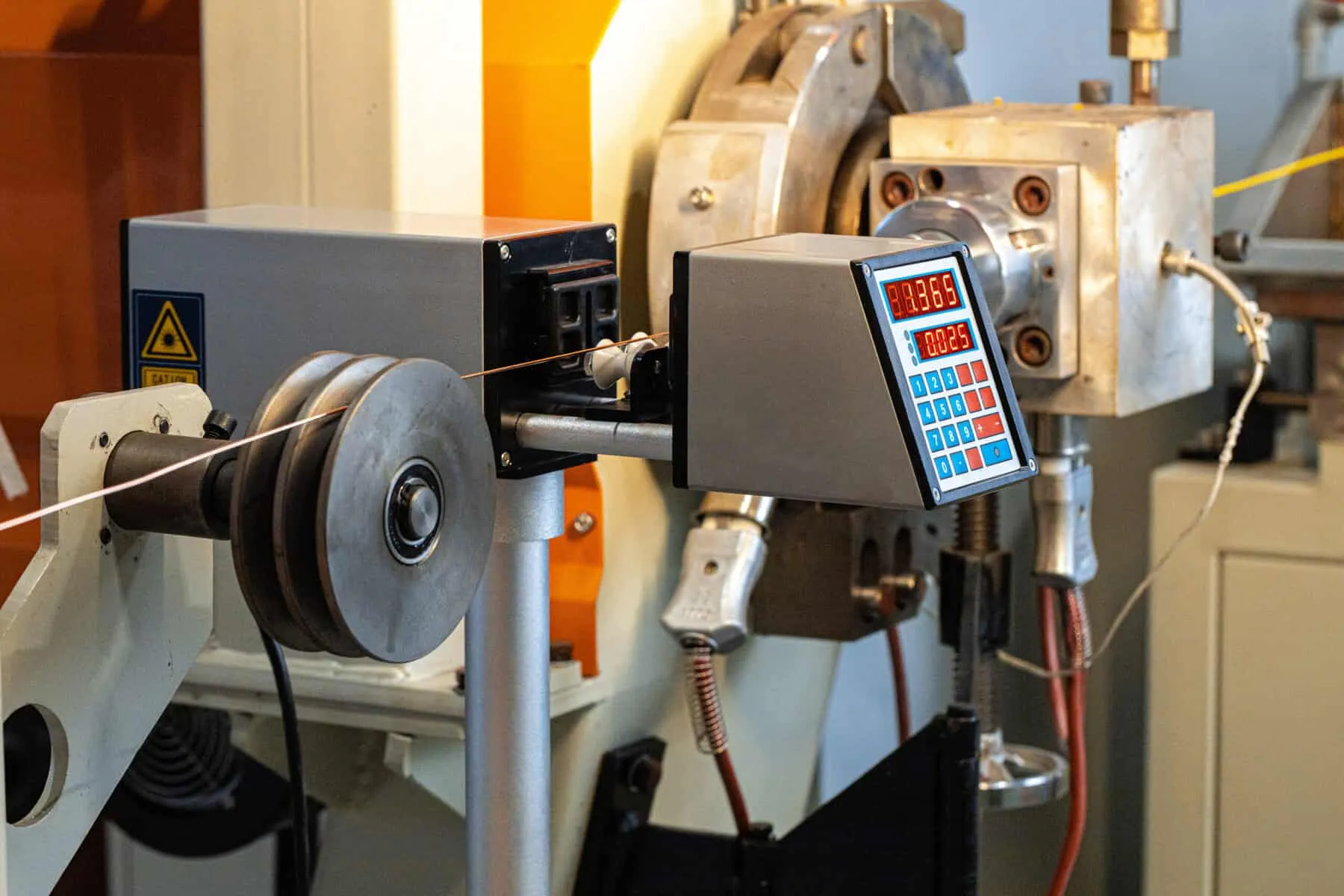
| In-process weighing | Weigh belts, batching hoppers and feeder scales, mechanical side | Feed and batch weights you can rely on |
| Cables & junction boxes | Trace, test and replace damaged cable and junction boxes | A clean, stable signal to the indicator |
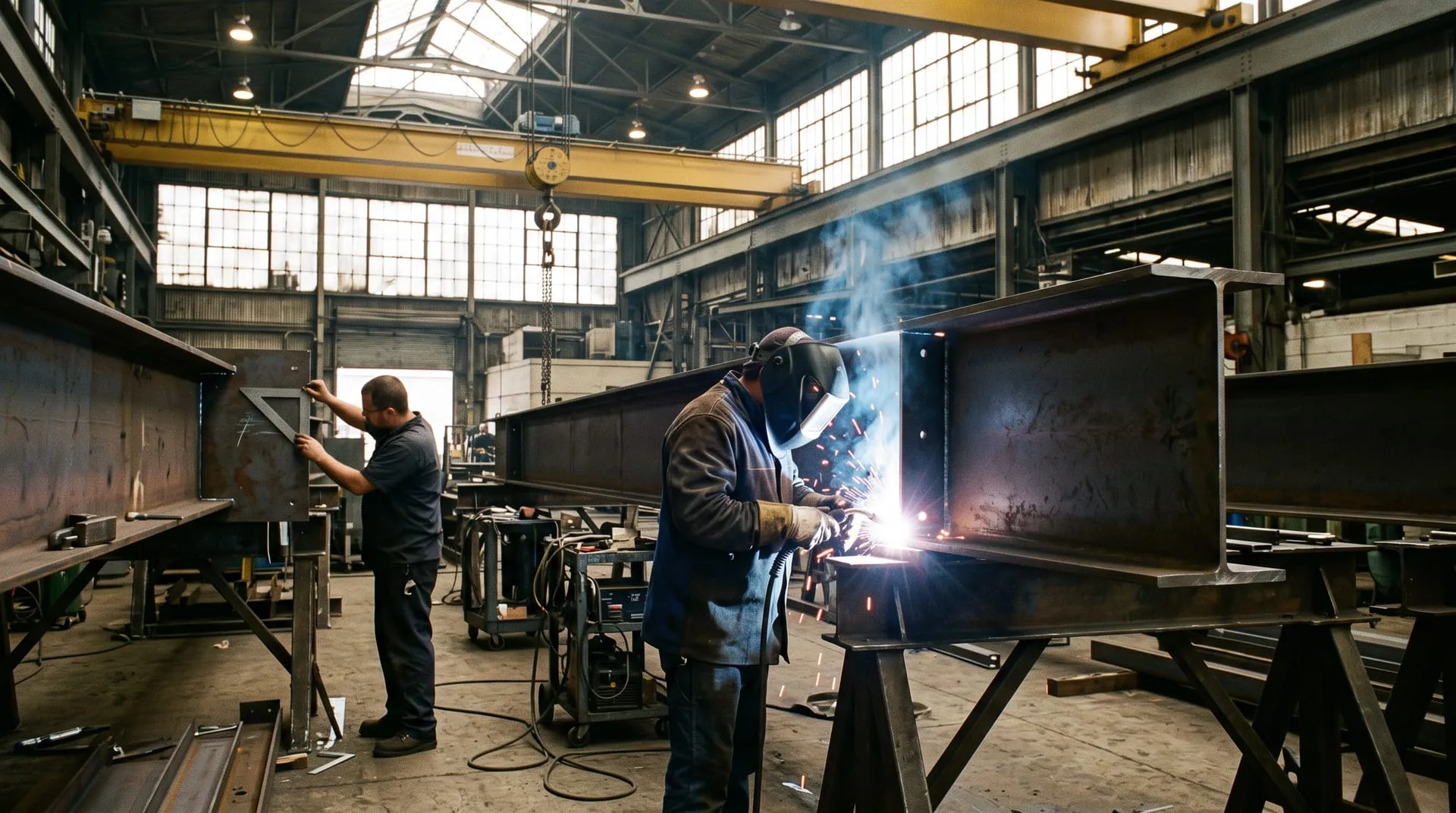
| Scale structure | Fabricate mounts, brackets, stops and supports in our shop | Load cells protected from side load and shock |
- Mechanical sideMounts, structure and binding fixed right.
- Controls tie-inSignals checked to the PLC or indicator.
- Works with your calibratorWe prep the scale for certified calibration.

How does a scale or load cell repair work?
Step 1: Review symptoms
Check how the reading misbehaves: drift, zero shift, dead corner or no signal.
Step 2: Inspect mechanically
Look for binding, debris, damaged mounts, rigid piping and side load.
Step 3: Test the signal
Check load cells, cables and junction box to isolate the failed part.
Step 4: Repair or replace
Replace load cells, repair mounts and structure, correct binding.
Step 5: Check & hand off
Run a functional check and hand off to your calibration provider if certification is required.
Signs of scale trouble
When do scales and load cells need service?
Most weighing problems are mechanical before they're electronic. Call us when you see any of these.
- Readings drifting or unstable
- Zero won't hold
- Different weights from different corners
- No signal or an overload error
- Water or damage at cables and junction boxes
- Piping or structure touching the vessel
What does SSI do for industrial scales and load cells?
We install, troubleshoot and replace load cells. We also handle the mechanical parts of weighing systems: mounts, structure, check rods, flexible connections and cabling. Our crews work on hopper and tank scales, floor scales and in-process weighing. For certified calibration, we work alongside your calibration provider.
A load cell measures force well only when the load goes straight through it. Anything that carries load around the cell, or pushes on it sideways, shows up as a bad reading. That’s why so many scale problems are millwright problems.
Why are most scale problems mechanical?
A weighing system only reads true when the vessel or deck hangs free on its load cells. Rigid piping, debris, bent check rods, frozen mounts or structure touching the vessel all take part of the weight. The electronics are usually fine. The steel around them isn’t.
| Symptom | Likely mechanical cause | Likely electrical cause |
|---|---|---|
| Drifting reading | Thermal growth binding piping or mounts | Moisture in cell or junction box |
| Zero won’t hold | Material buildup, debris under the deck | Failing load cell |
| One corner reads differently | Uneven support, damaged mount | One bad cell or cable |
| Weight reads low | Load bypassing cells through pipes or structure | Wrong trim at the junction box |
| No signal | Crushed cable | Failed cell, indicator or wiring |
Load cell installation and replacement
We install new load cells and mounts and replace failed ones. On every job we check that the load path is right:
- Mounts suited to the vessel and set so the cell sees vertical load.
- Overload and lift-off stops to protect cells from shock and uplift.
- Check rods set to steady the vessel without carrying load.
- Flexible connections on piping and chutes so they don’t carry weight.
- Cable routing protected from heat, moisture and traffic.
Our fabrication shop makes mounting brackets, stops and support steel when the original hardware is worn or missing.
Protecting load cells during plant work
Welding current through a load cell can damage it. When we weld on or near a scale, we protect the cells following the manufacturer’s guidance. We tell other trades on the job to do the same.
Should you repair the mount or replace the load cell?
Check the mount before you buy a new load cell. A cell that failed from side load or shock will fail again in a damaged mount. Often the cell is fine and the mount, stop or check rod is the problem. We test the cell first, then decide what needs replacing.
| Finding | What we usually do |
|---|---|
| Cell tests good, readings off | Correct binding, mounts or piping |
| Cell damaged, mount sound | Replace the cell and check the stops |
| Cell and mount damaged | Replace both and add overload protection |
| Water in cable or junction box | Dry, reseal or replace and reroute cable |
How does calibration fit in?
After a repair, we run a functional check to confirm the scale responds and returns to zero. We don’t hold certified or legal-for-trade scale calibration licensing. If your scale needs certified calibration, your calibration provider handles it. We make sure the scale is mechanically sound first, so the calibration holds.
Weighing systems and controls
Many batching hoppers and feeders send weight to an Allen-Bradley PLC. We check the signal path from the load cells through the junction box and indicator into the control system. See controls and automation for more on our PLC work.
Which plants use this service?
Weighing matters most where plants batch, blend or ship by weight. That includes food and beverage plants, chemical plants, refractory plants with batching and feed systems, and steel mills. We serve plants across Northwest Indiana and Chicagoland. Load cell checks can be built into a preventive maintenance schedule. New scales can be set as part of an equipment installation.
Scales & Load Cells across the Region
Tell us about the equipment
Send the make, model and what you're seeing. A crew lead will call you back with next steps.
Start a requestCertified & prequalified
 ISNetworld
member contractor Avetta
prequalified AWS certified
welders

Scales & Load Cells FAQs
What causes a load cell to fail?
The most common causes are overload or shock loading, side loads the cell wasn't designed for, water getting into the cell or cable, welding current passing through the cell, and physical damage. Fixing the cause, such as a missing overload stop or bad mounting, keeps the replacement from failing the same way.
Why is my scale reading inconsistently?
Inconsistent readings are often mechanical. Rigid piping, debris under a deck, a check rod set too tight or a damaged mount can carry part of the load around the cells. Electrical causes include a failing cell, moisture in a junction box or damaged cable. We check the mechanical side first.
Do you install new load cells and scales?
Yes. We install load cells and mounts on hoppers, tanks and bins, and install platform and floor scales. We fabricate mounting brackets, stops and supports in our shop, set up flexible connections to piping, and tie the signal into your indicator or PLC.
Do you calibrate scales?
We do functional checks after a repair, and we work alongside your calibration provider. We don't claim certified or legal-for-trade calibration. If your scale needs certification, your provider handles it, and we make sure the scale is mechanically ready so it calibrates and holds.
Can welding damage a load cell?
Yes. Welding current that passes through a load cell can damage it. When we weld on or near a weighing system, we protect the load cells, typically by grounding close to the weld and bypassing or removing the cells as the manufacturer recommends. It's a common cause of failure after other plant work.
How do I know if a load cell is bad?
Signs include a reading that drifts, a zero that won't hold, one corner reading differently from the rest, or no signal from the cell. Testing the cell's output and insulation, and swapping signals at the junction box, isolates whether the cell, cable or indicator is at fault.
Do you work on weighing systems tied to a PLC?
Yes. Many batching and feed systems send weight to an Allen-Bradley PLC. We check the signal path from load cells to the indicator or weight module and into the control system, and work with your controls team on any logic changes.
Can you fix a scale during a planned outage?
Yes. Most load cell replacements and structural repairs are planned into outages, especially on large hoppers and tanks. If a scale failure is holding up production now, call (219) 386-1506 any time and we will tell you how fast a crew can get there.
Related services
All services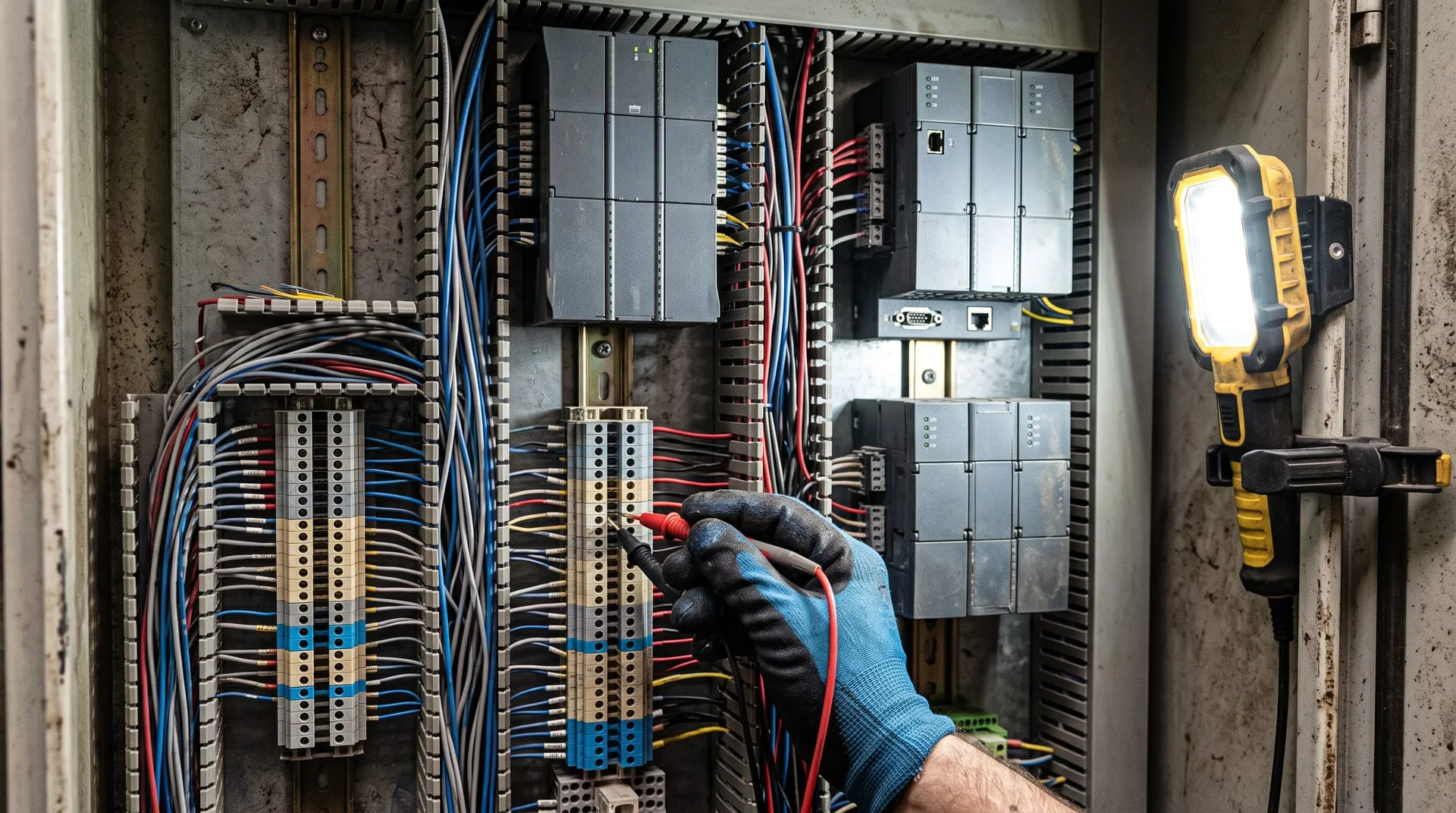
Controls & Automation
Allen-Bradley PLC integration, troubleshooting and panels.

Custom Metal Fabrication
Structural, pipe and replacement parts. Shop and field.
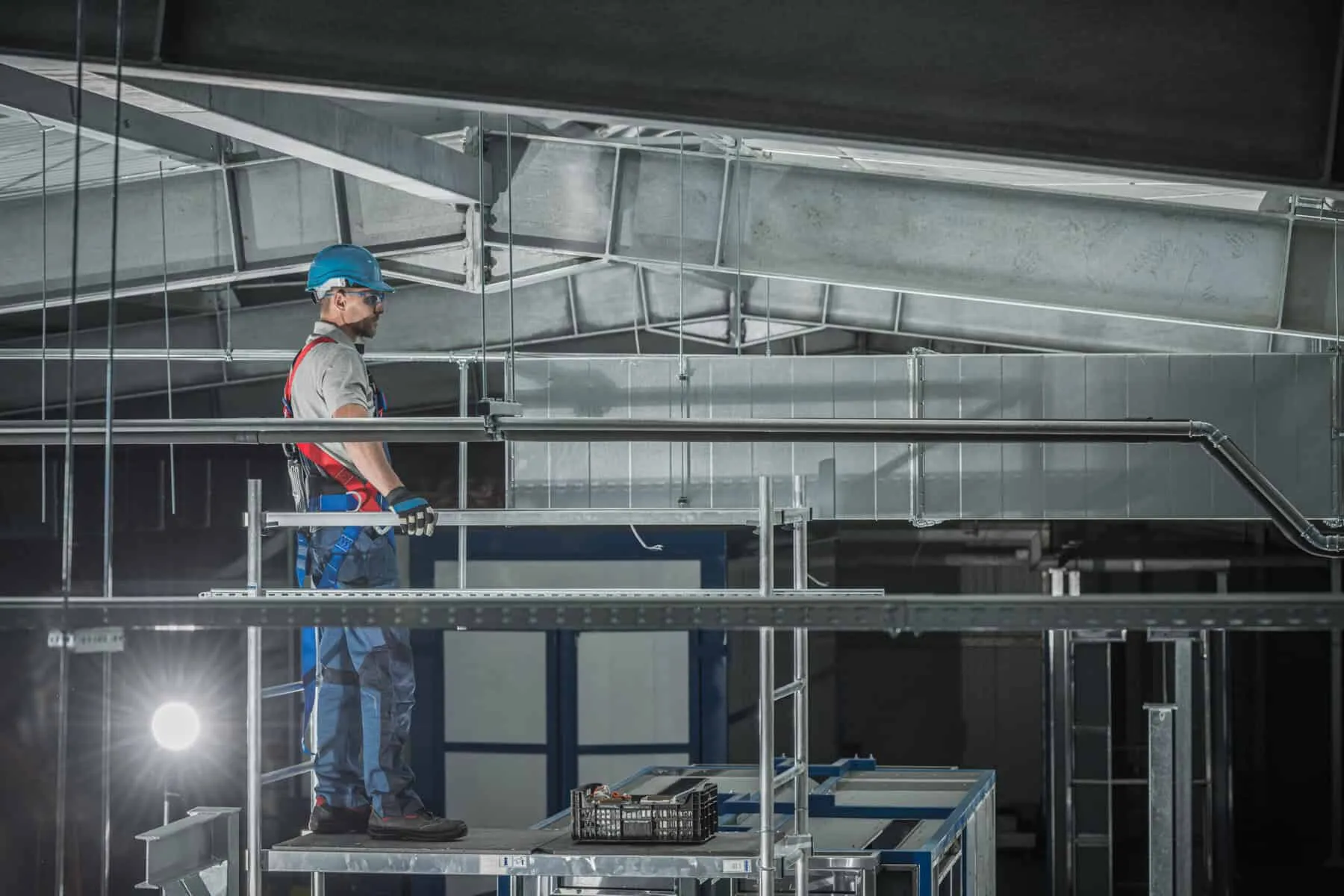
Equipment Installation
Rigged, set, leveled, aligned and run in.
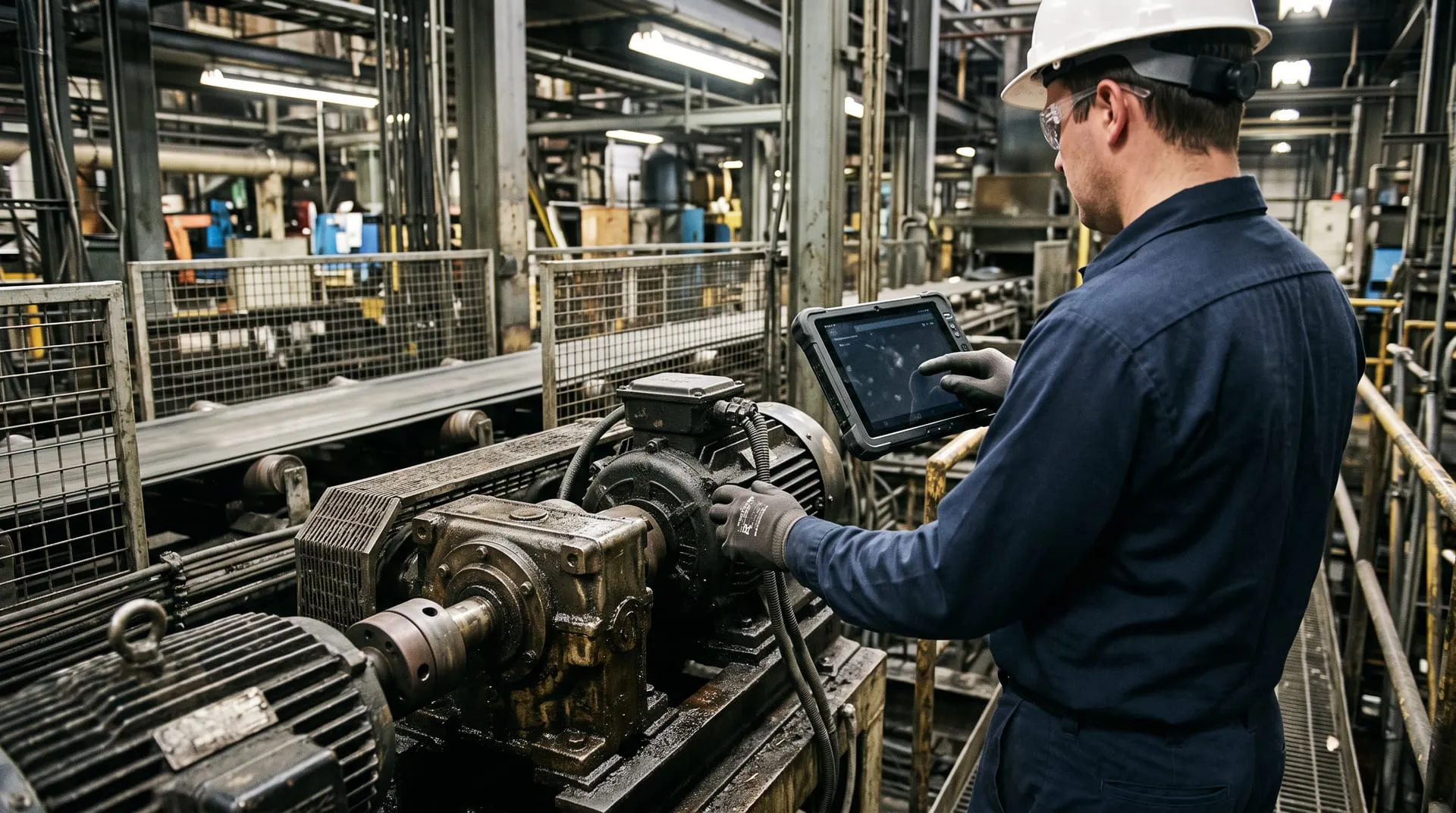
Preventive Maintenance
Inspections, alignment and outage plans that cut breakdowns.

Request a scales & load cells quote
Tell us what's running rough. We'll tell you how fast we can be there.