Environmental Systems Troubleshooting & Repairin Northwest Indiana
Quick overview
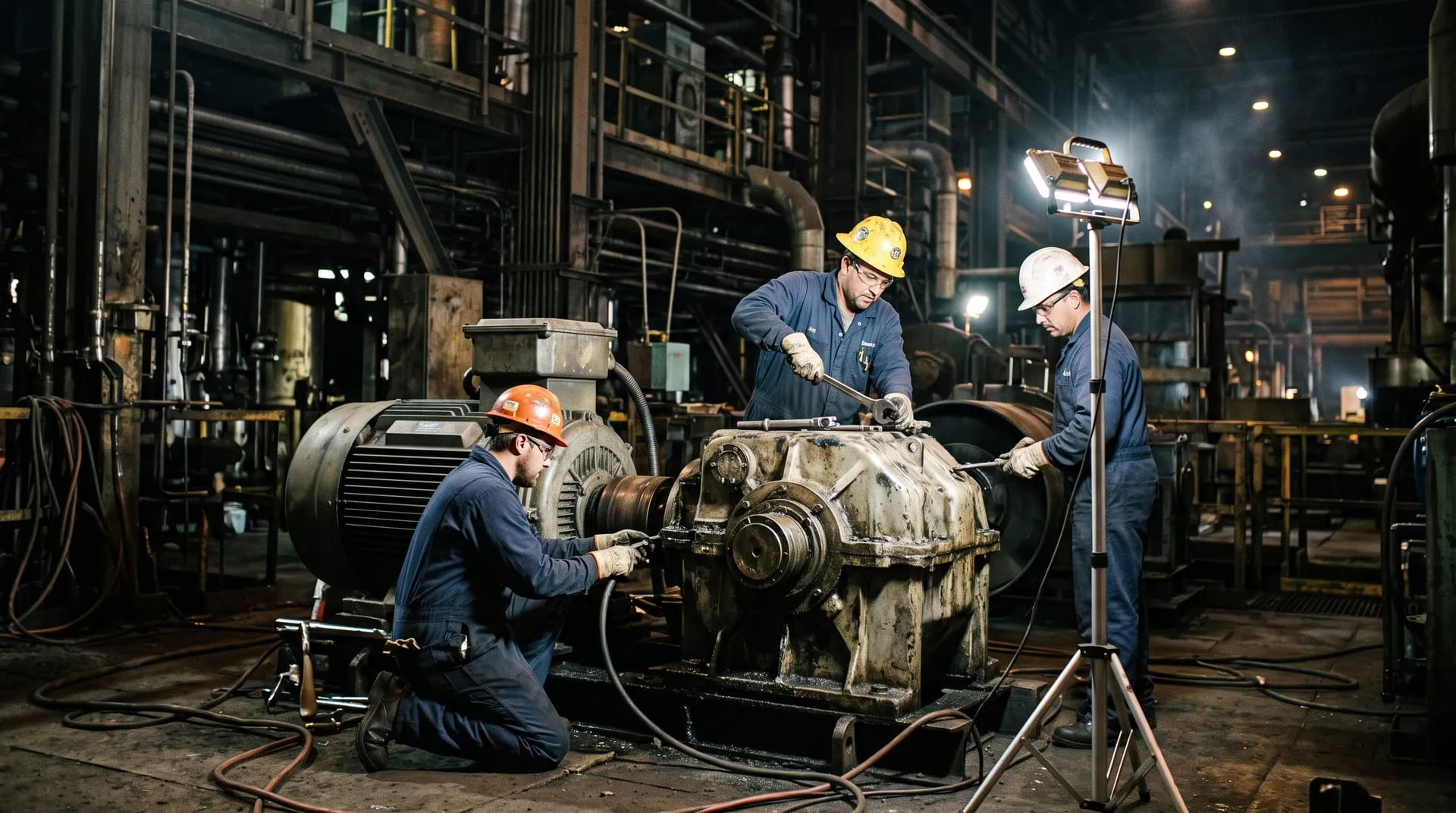
SSI troubleshoots and repairs the mechanical equipment behind a plant's environmental systems: dust collectors, wet scrubbers, cyclones, fume extraction, ventilation fans, ductwork, dampers, recirculation pumps and the controls that run them. We work alongside your environmental and compliance team, finding why a system isn't performing and fixing it, with written records of what we found and did.
What environmental equipment do you troubleshoot and repair?
| Equipment | What we do | What you get |
|---|---|---|
| Dust collectors & baghouses | Bags, cages, pulse valves, airlocks and hoppers | Stable pressure drop and clean discharge |
| Wet scrubbers | Recirculation pumps, spray nozzles, packing access, mist eliminators, piping | Liquid flow and contact the system was designed for |
| Cyclones | Wear liner repair, cone and inlet patching, discharge valves | Separation restored, fewer holes and blowouts |
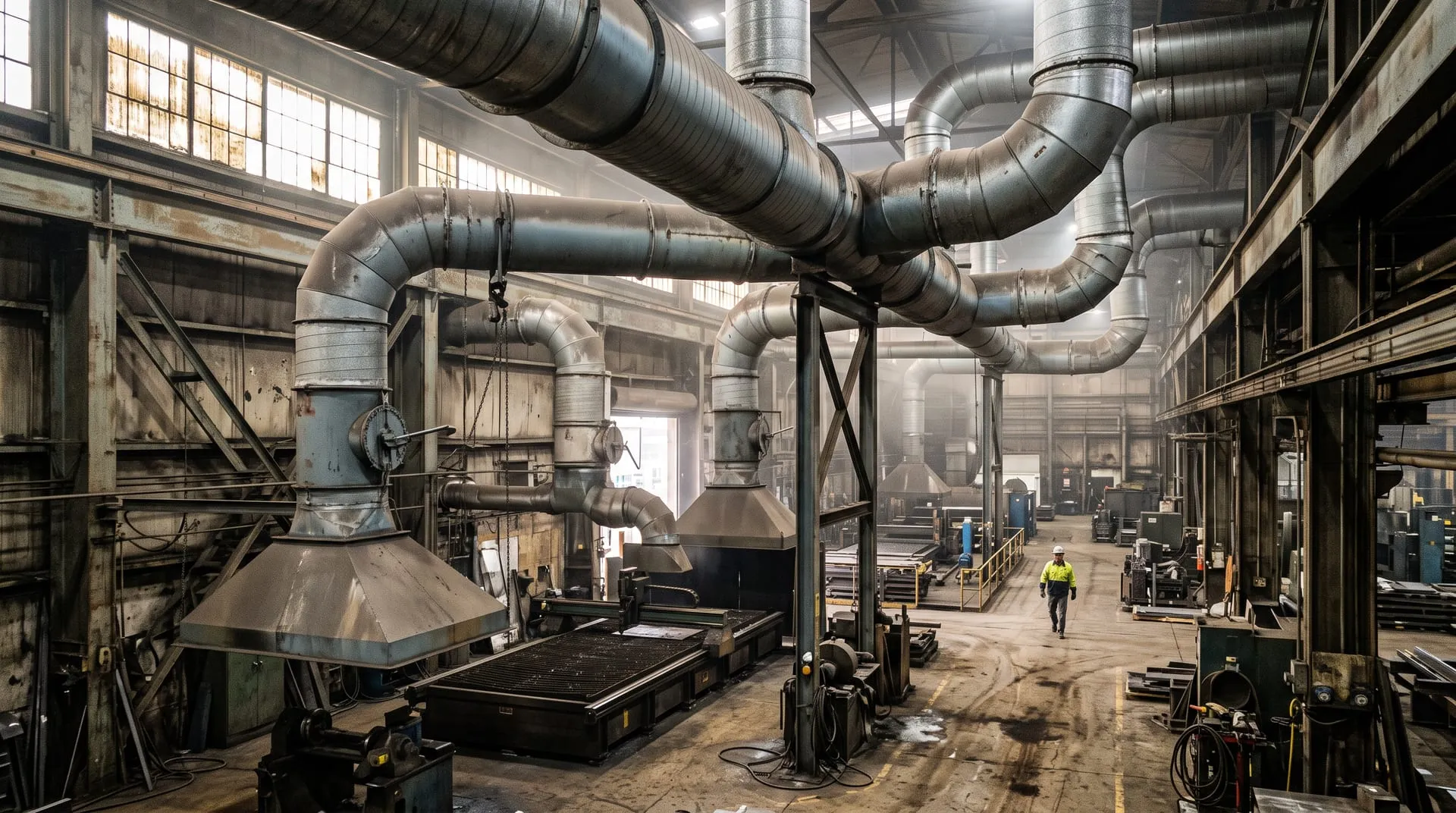
| Fume extraction & ventilation | Hoods, arms, exhaust fans, makeup air and duct runs | Capture at the source and moving air |
| Fans & dampers | Fan rebuilds, balancing, alignment, damper linkages and actuators | Design airflow without vibration |
| Controls & instruments | Pressure transmitters, flow switches, timers and PLC inputs, checked in general terms | Alarms and readings you can trust |
- Root causeWe find why it failed before we fix it.
- RecordsWritten findings for your environmental team.
- 24/7Call (219) 386-1506 any time.

How does environmental system troubleshooting work?
Step 1: Listen & review
Talk to operators and your environmental team. Review trends, alarms and recent changes.
Step 2: Measure
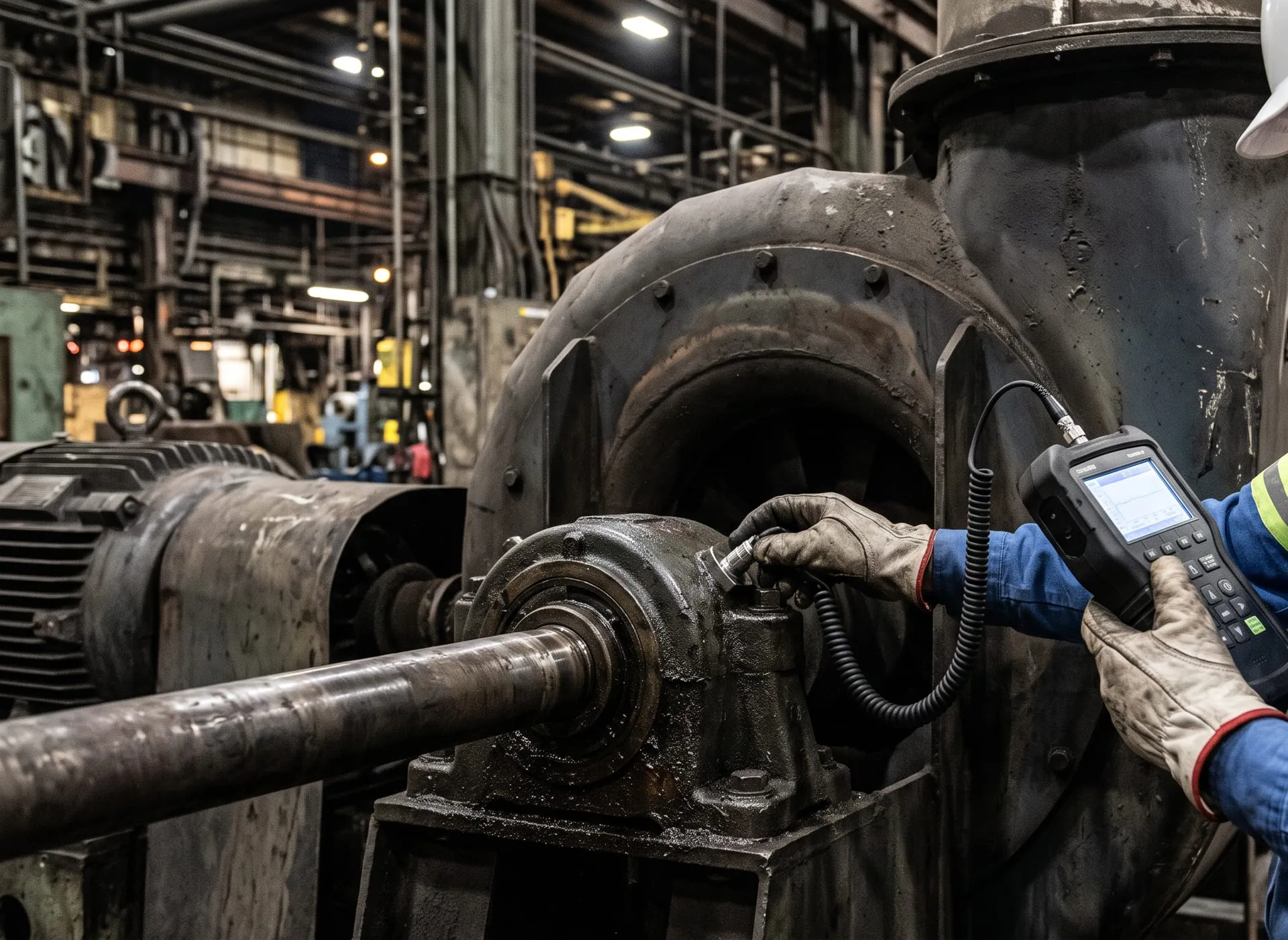
Check pressures, airflow, liquid flow, amps and vibration against design.
Step 3: Isolate the cause
Work through the system from hood to stack until the fault is pinned down.
Step 4: Repair
Fix or replace the failed part, fabricating in our shop when needed.
Step 5: Verify & document
Confirm the system is back in range and hand over written findings.
Signs of trouble
When should you call for environmental system troubleshooting?
If your readings drift out of the normal range, get the mechanical side checked before it becomes a reporting problem.
- Weak capture at hoods or pickup points
- Pressure drop or flow outside normal range
- Scrubber pump or nozzle problems
- Fan vibration or noise
- Alarms that keep coming back
- Holes or corrosion in ductwork
What does SSI do for plant environmental systems?
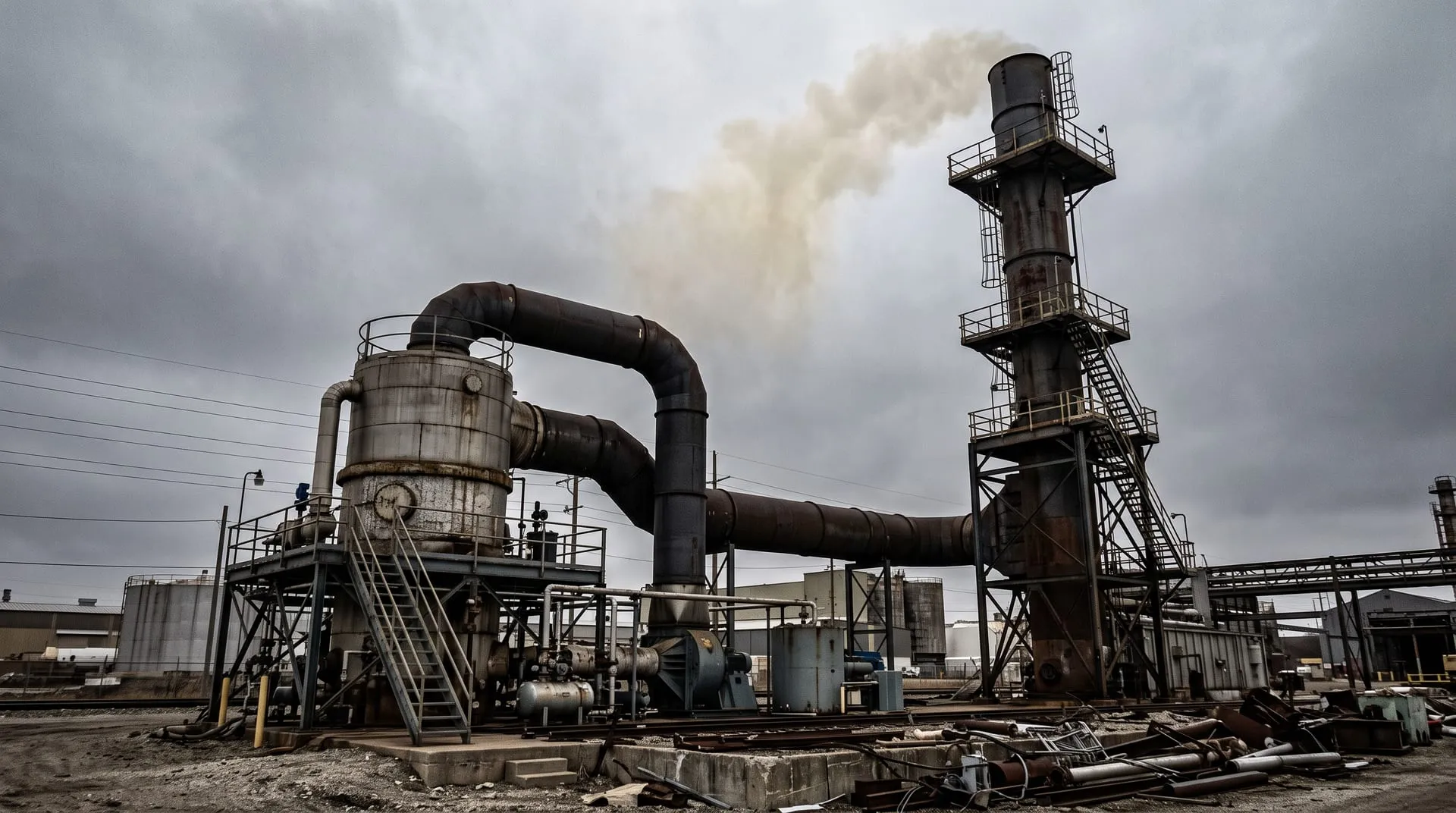
We troubleshoot and repair the mechanical equipment your environmental systems depend on. Dust collectors, scrubbers, cyclones, fume extraction, ventilation fans, ductwork, dampers and pumps. When one stops performing, our crews find out why, fix it and document the work for your environmental team.
Environmental equipment rarely fails all at once. A fan loses a little airflow. A nozzle plugs. A damper linkage slips. Each one moves a reading a little further from normal. By the time someone notices, the cause may be three components away from the symptom. That’s a troubleshooting job, and it’s the kind of work millwrights do every day.
Where does SSI fit with your compliance team?
Your environmental team owns compliance. We own the wrenches. We don’t hold permits, run stack tests, file reports or give regulatory advice. What we bring is a crew that can keep the equipment working the way your permit assumes it does. We also give your team written records of what was found and fixed.
| Your environmental team | SSI |
|---|---|
| Permits, monitoring plans and reporting | Inspection and repair of the equipment |
| Decides what readings are acceptable | Measures pressure, flow, amps and vibration |
| Works with testing firms and regulators | Fixes what the readings point to |
| Keeps the compliance record | Provides written findings and parts records |
How do you troubleshoot an environmental system?
We work through the system in order, from where the air or liquid enters to where it leaves. Most faults show up in one of four places: the capture point, the duct, the control device or the fan. Checking each one against design numbers narrows it fast.
- Capture. Are hoods, arms and pickups still pulling? Are doors and covers closed?
- Duct. Holes, collapsed sections, buildup or a damper in the wrong position.
- Control device. Collector pressure drop, scrubber liquid flow, cyclone wear.
- Fan and drive. Wheel condition, belt slip, alignment, balance and motor amps.
Dust collectors and baghouses
Collectors are the most common environmental system in heavy industry. We have a full page on baghouse and dust collection service, covering bag changeouts, pulse-jet repair, airlocks and leak testing.
Wet scrubbers and pumps
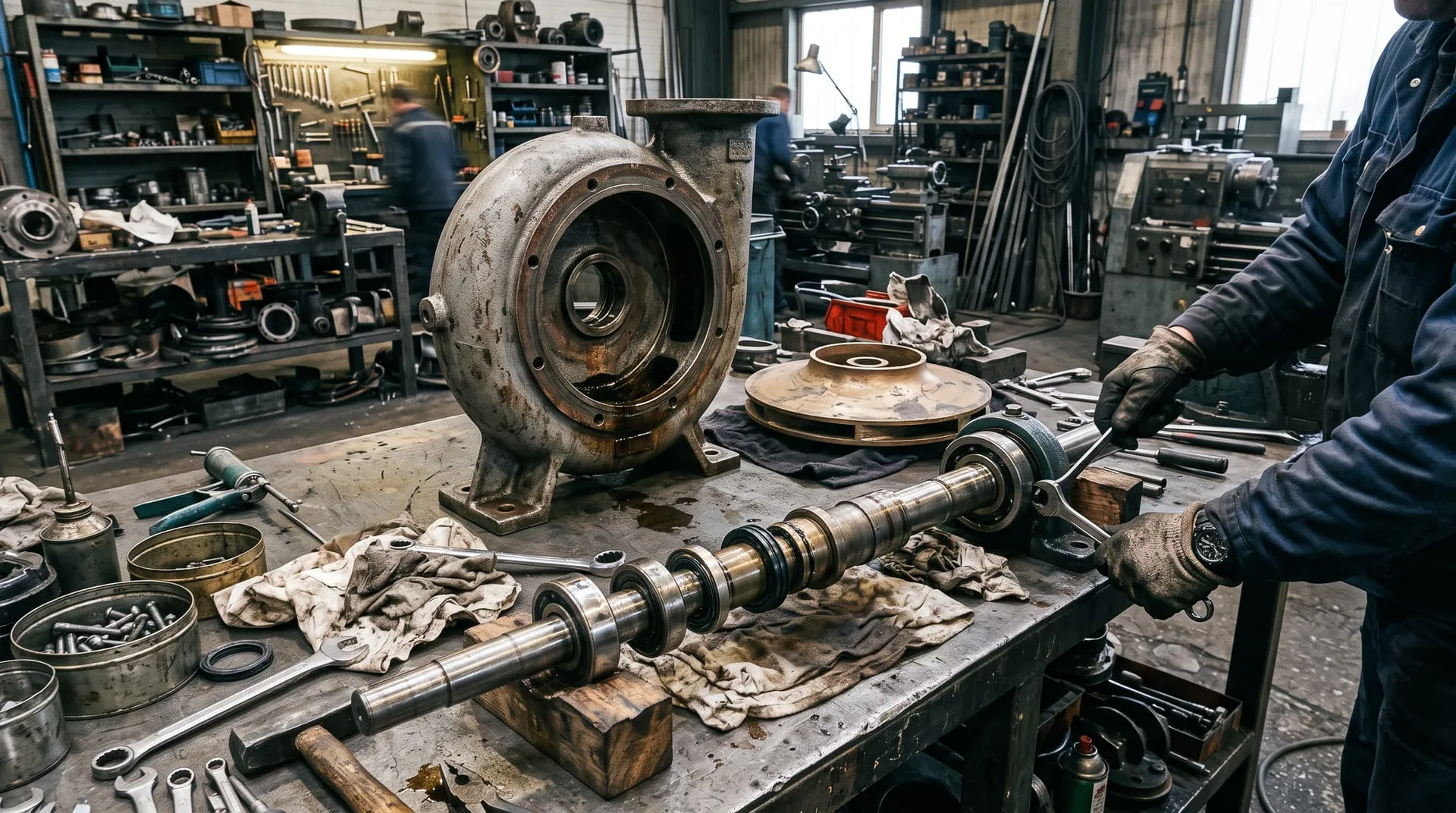
Scrubbers live or die on liquid flow. We rebuild recirculation pumps, replace nozzles and piping, and service mist eliminators. Our pump rebuild and pipe fabrication crews cover the wet side.
Cyclones, fume extraction and ventilation
Cyclones wear at the inlet and cone. Fume extraction and ventilation systems lose capture to damaged hoods and slipping fans. We repair and fabricate the steel, then balance the fans so they run smooth.
What should you have ready when you call?
The more we know before we arrive, the faster we find the fault. Having a few things on hand saves a crew hours on site:
- Recent trends. Pressure drop, airflow, liquid flow or fan amps over the last few weeks.
- What changed. New bags, a process change, a recent repair or a new product on the line.
- Drawings and manuals. System layout, fan curves and OEM data if you have them.
- Your environmental contact. The person who needs the written findings when we’re done.
If you don’t have all of it, call anyway. We’ll work with what’s there.
What about the controls?
Many “mechanical” problems start as a bad signal. A plugged pressure tap, a failed transmitter or a pulse timer out of sequence can look like a failed collector. We check those instruments and the Allen-Bradley PLC inputs behind them. See controls and automation for more on our controls work.
Which plants do we support?
We support steel mills, refractory plants, chemical plants, power plants, paper mills and food plants across Northwest Indiana and Chicagoland. SSI is an ISNetworld member contractor and Avetta prequalified, and our crews work under lockout/tagout, confined-space and hot-work programs. When a system goes down after hours, our emergency line is answered 24/7.
Environmental Systems Compliance & Troubleshooting across the Region
Tell us about the equipment
Send the make, model and what you're seeing. A crew lead will call you back with next steps.
Start a requestCertified & prequalified
 ISNetworld
member contractor Avetta
prequalified AWS certified
welders
Environmental Systems Compliance & Troubleshooting FAQs
What does environmental systems troubleshooting mean?
It means finding and fixing the mechanical reason an environmental system isn't performing. That could be a dust collector with high pressure drop, a scrubber pump that has lost flow, a cyclone with a hole in the cone or a fume hood that no longer pulls. We trace the fault, repair it and document it.
Are you an environmental consultant?
No. We are a mechanical contractor. We don't do permitting, stack testing, emissions reporting or regulatory consulting, and we don't guarantee compliance. We work with your environmental team or consultant, keeping the equipment working the way your permit assumes and giving them written records of inspections and repairs.
What equipment do you work on?
We work on baghouses and cartridge collectors, wet scrubbers, cyclones, fume extraction hoods and arms, ventilation and exhaust fans, ductwork, dampers, recirculation pumps and the piping around them. We also check the sensors and controls tied to that equipment, such as pressure transmitters and flow switches.
Why is my wet scrubber not performing?
Common causes are a worn recirculation pump, plugged spray nozzles, fouled packing or mist eliminators, low liquid level, or a fan moving less air than designed. We check liquid flow, pressure drop and fan performance first, then open the unit during an outage to inspect the internals.
Can you repair cyclone wear?
Yes. Cyclones in abrasive service wear through at the inlet, the cone and the discharge. We patch and replace worn sections, install wear liners or heavier plate where it helps, and repair discharge valves and airlocks. Replacement sections can be fabricated in our Portage shop.
Do you troubleshoot the controls on environmental equipment?
Yes, in general terms. We check pressure transmitters, flow and level switches, pulse timers, fan drive settings and Allen-Bradley PLC inputs and outputs tied to the system. Our controls work is covered in more detail on our controls and automation page.
Will you give us documentation for our environmental team?
Yes. You get written findings: what we measured, what we found, what we repaired or replaced, and readings after restart. Photos and parts lists can be included when you ask. Your environmental team can use that in their own records. They decide what gets reported and how.
Do you respond to emergencies on environmental systems?
Yes. A failed collector fan or scrubber pump can stop production or put a system out of range. Our crews carry welding and rigging gear for field repairs. Call (219) 386-1506 any time, day or night, and we will tell you how fast a crew can get there.
Related services
All services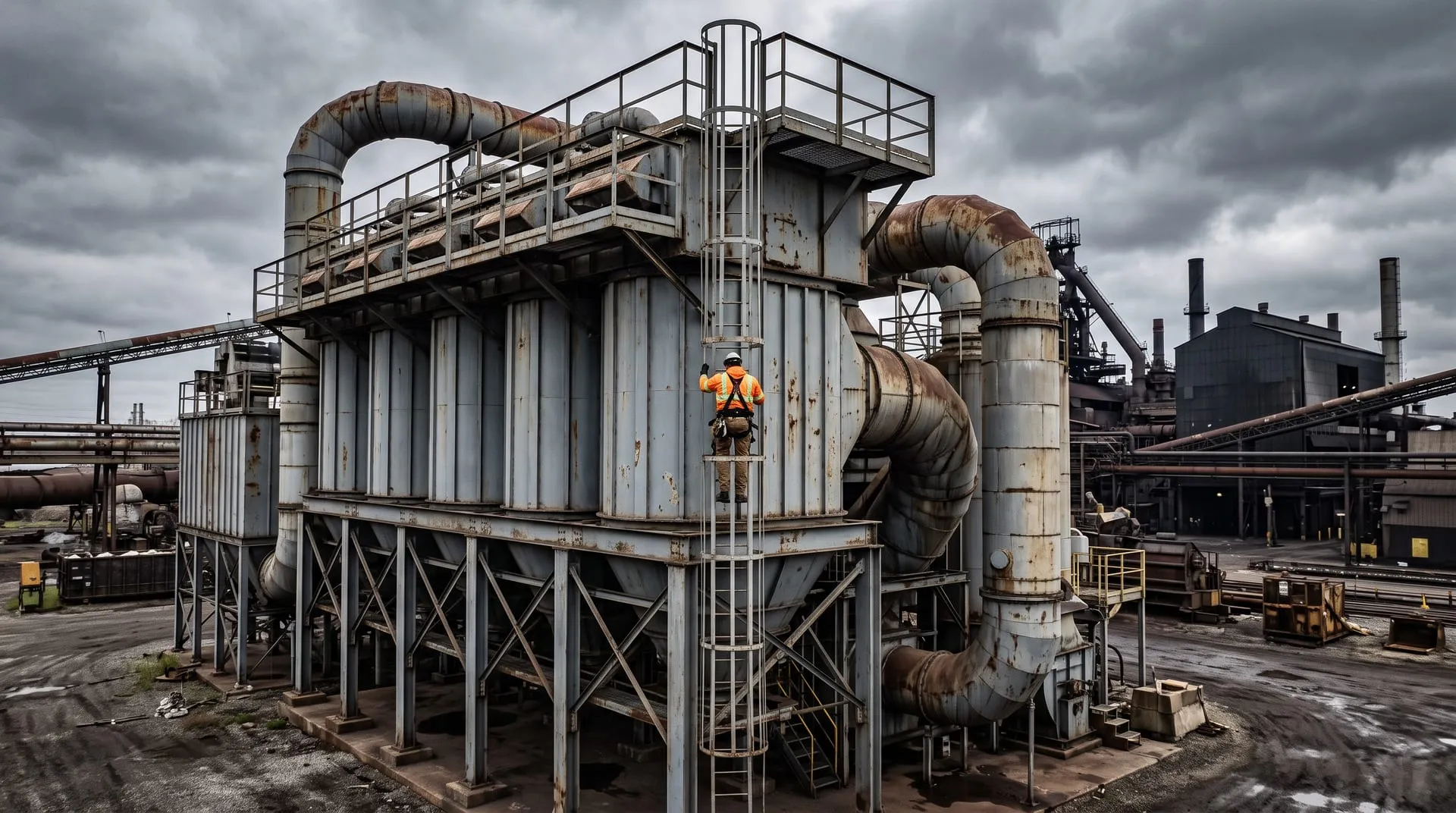
Baghouse & Dust Collection
Bag changeouts, pulse-jet repair, ductwork and leak checks.
Fan Rebuilds & Balancing
Fans balanced in place or in the shop, rebuilt and aligned.
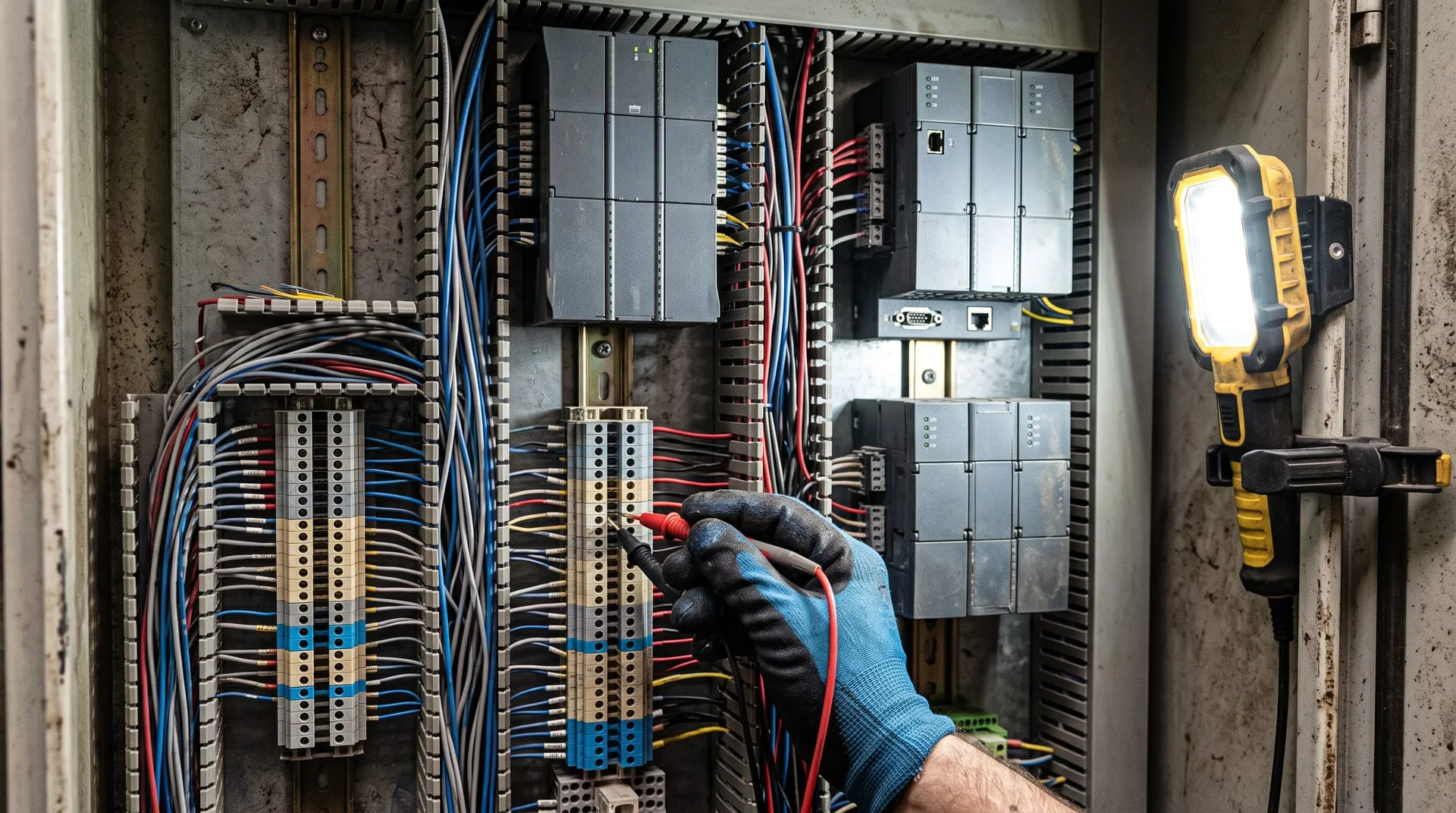
Controls & Automation
Allen-Bradley PLC integration, troubleshooting and panels.
24/7 Emergency Repair
Line down? Call (219) 386-1506, day or night.

Request a environmental systems compliance & troubleshooting quote
Tell us what's running rough. We'll tell you how fast we can be there.