Industrial Demolition & Equipment Removalin Northwest Indiana
Quick overview
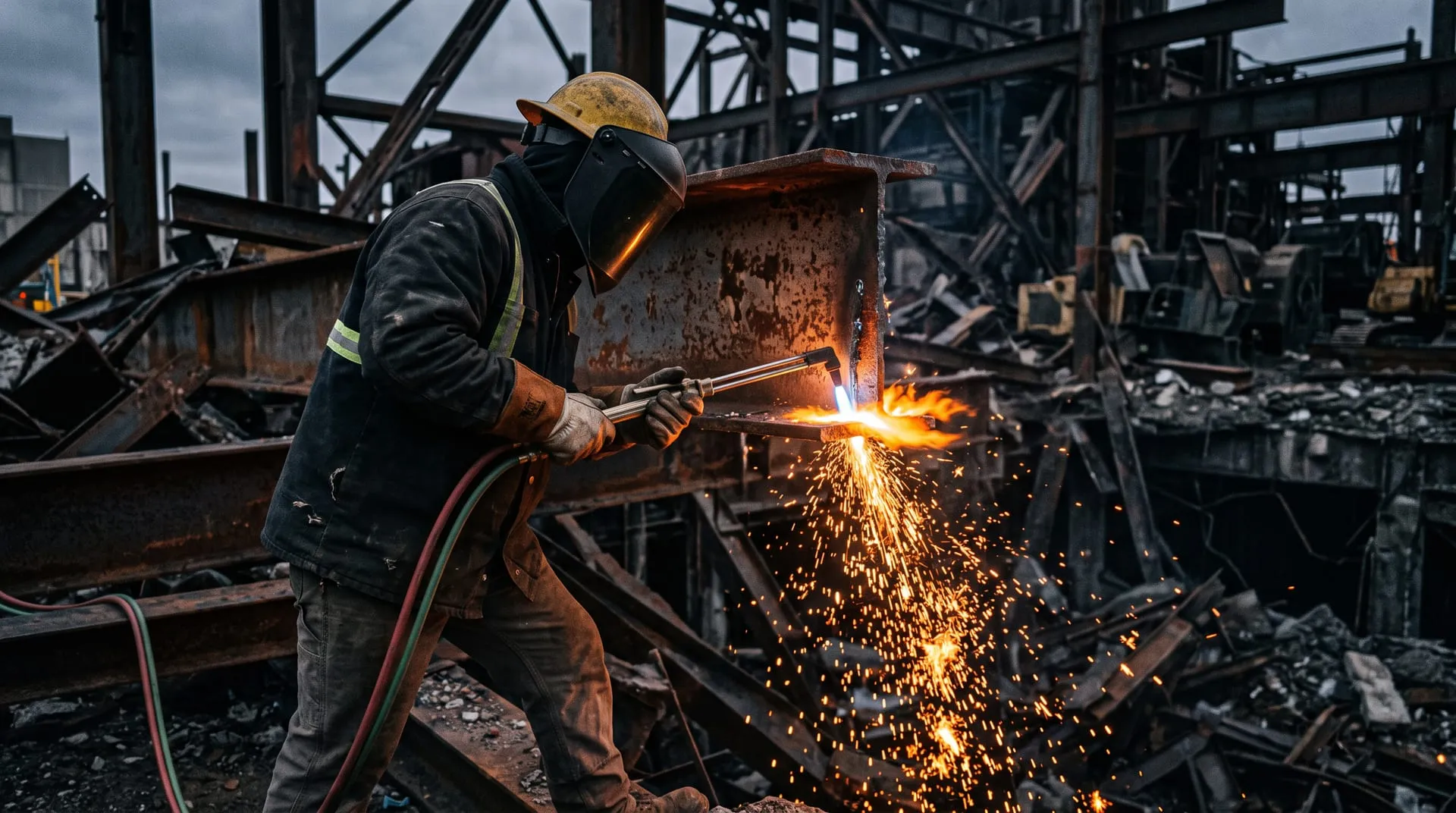
Industrial demolition is the safe removal of equipment, structure and piping from a plant. SSI crews handle equipment removal, torch cutting and selective demolition inside running plants across Northwest Indiana and Chicagoland, working under hot work permits, lockout/tagout and a job hazard analysis on every job.
What industrial demolition work do we do?
| Scope | What we do | What you get |
|---|---|---|
| Equipment removal | Disconnect, rig and remove machines and lines | Floor space cleared |
| Torch cutting | Cut steel, frames and structure to size for removal | Pieces that can be lifted and hauled |
| Selective demolition | Remove one area while the plant keeps running | Production protected next door |
| Piping & ductwork | Isolate, cut and remove process pipe and ducts | Dead lines gone |
| Structural steel | Platforms, mezzanines, supports and stairs | Room for the new layout |
| Scrap handling | Cut and stage steel for scrap pickup | Material sorted for recycling |
- Permit-drivenHot work and LOTO on every job.
- Torch crewsCutting and rigging in-house.
- Running plantsSelective demo next to production.

How does a demolition job work?
Step 1: Walk down
Survey what comes out, what stays and what runs nearby.
Step 2: Plan & JHA
Build the sequence, lift plan and job hazard analysis.
Step 3: Isolate
Lock out and verify energy, drain lines and pull permits.
Step 4: Cut & remove
Torch-cut, rig and remove in a planned order.
Step 5: Clean up
Stage scrap, clear the area and hand it back.
Common demolition jobs
When do plants need industrial demolition?
Most of our demo work makes room for something new.
- Retired equipment taking up floor space
- Old line coming out for a new one
- Equipment left behind after a relocation
- Abandoned piping or ductwork
- Platforms or structure in the way
- Damaged equipment that isn't worth repairing
What does industrial demolition involve?
Industrial demolition is the planned removal of equipment, structure and piping from a working plant. Most of our demolition work happens inside running facilities: one line comes out while the lines beside it keep producing. That takes isolation, planned cuts and controlled lifts, not a wrecking ball.
SSI crews handle equipment removal, torch cutting, selective demolition, and removal of piping, ductwork and structural steel across Northwest Indiana and Chicagoland.
How do we keep demolition safe?
We keep demolition safe by isolating every hazard before cutting begins. A safe demo job is mostly planning. By the time a torch is lit, the crew knows what is live, what is drained, what holds what up and where every piece is going.
Every job includes:
- Job hazard analysis (JHA) written for the specific scope, reviewed with the crew.
- Lockout/tagout (LOTO) on every energy source: electrical, hydraulic, pneumatic, steam and process.
- Line isolation: pipes drained, blinded or verified empty before any cut.
- Hot work permits under your plant’s system, with a fire watch and extinguishers in place.
- Barricades to keep people out of the cut and drop zones.
- Confined space and fall protection programs where the work calls for them.
SSI is an ISNetworld member contractor and Avetta prequalified. See our safety programs.
How do we plan cuts and lifts?
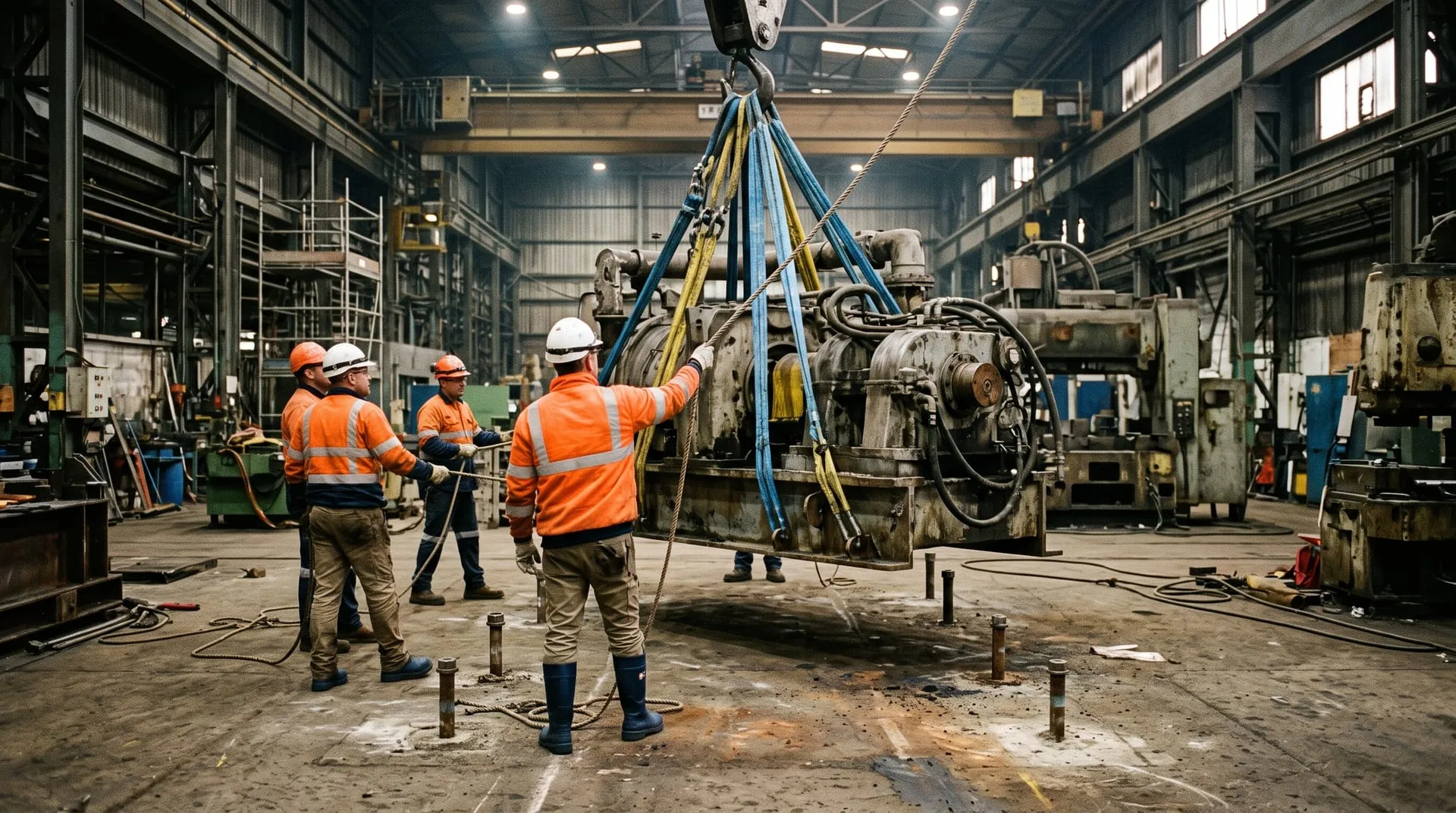
We plan cuts and lifts so every piece stays supported until it is rigged. Steel under load can move in ways you don’t expect when it’s cut. Our crew decides where to cut, what to rig first and where each piece goes before work starts.
| Work | How we approach it |
|---|---|
| Machines and lines | Disconnect, unbolt what we can, rig out whole when possible |
| Frames and structure | Rig first, then cut in a planned sequence |
| Piping and ductwork | Isolate, verify, cut into liftable lengths |
| Platforms and mezzanines | Remove from the top down, keep loads supported |
| Scrap | Cut to size and stage for pickup |
Why does selective demolition need a millwright crew?
Selective demolition needs a millwright crew because the equipment next to the work area still has to run. Our crews know how mill and process equipment is built and connected. That means we know what can be cut, what has to be unbolted, and what not to disturb next door.
It also means we can handle what comes next. When an old line comes out for a new one, our crews can install the new equipment. When equipment is moving to another site, demo is often the last step of a plant relocation.
What about hazardous materials?
Asbestos, lead paint and other hazardous materials must be handled by licensed abatement contractors. We don’t do abatement. We coordinate with your abatement contractor and schedule our work after the area is cleared. If you know of hazards in the area, tell us when you ask for a quote.
Who does the cutting?
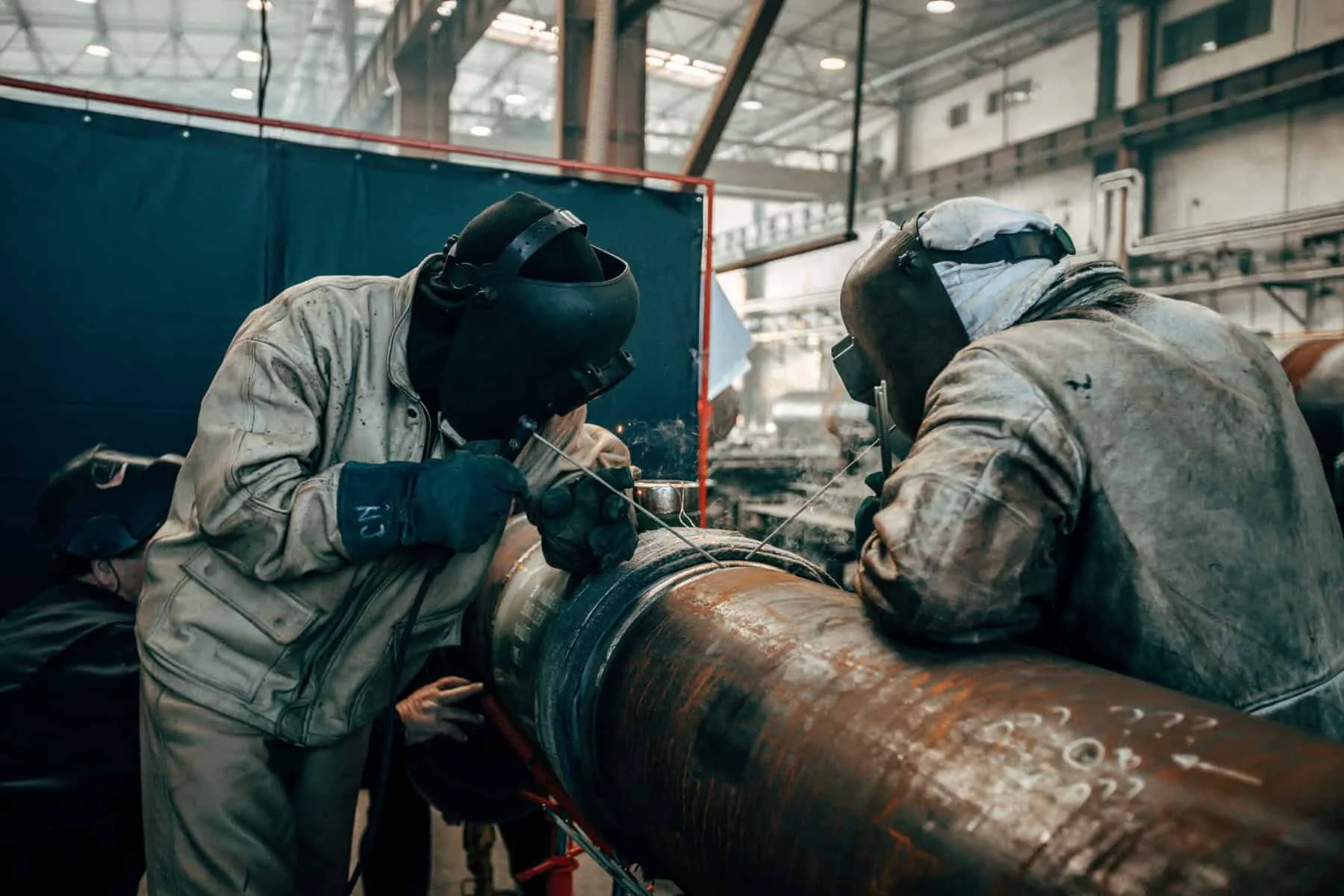
Our crews include experienced torch operators and AWS certified welders. Cutting and rigging are done in-house, and our millwright services crews handle any equipment work around the job. Tell us what has to come out, where it sits and what has to keep running around it. Done right the first time.
Industrial Demolition across the Region
Tell us about the equipment
Send the make, model and what you're seeing. A crew lead will call you back with next steps.
Start a requestCertified & prequalified
 ISNetworld
member contractor Avetta
prequalified AWS certified
welders
Industrial Demolition FAQs
What is selective demolition?
Selective demolition is removing specific equipment, structure or piping from a plant while the rest of the facility keeps running. It is the opposite of tearing down a building. It takes careful isolation, planned cut sequences and controlled lifts so production, people and equipment next to the work area are protected.
How do you keep demolition safe inside a running plant?
Every job starts with a job hazard analysis (JHA). Our crews isolate and verify energy with lockout/tagout, work under your hot work permit system with a fire watch, barricade the area, and follow confined space and fall protection programs where they apply. Cut and lift sequences are planned before the first torch is lit.
What is a hot work permit?
A hot work permit is a written authorization for welding, torch cutting, grinding or other spark-producing work in a specific area for a set time. It confirms that flammables are cleared or protected, fire extinguishers and a fire watch are in place, and atmospheres are tested where needed. We work inside each plant's permit process.
Why is lockout/tagout important during demolition?
Equipment being removed is often still connected to electrical, hydraulic, pneumatic, steam or process lines. Lockout/tagout (LOTO) isolates every energy source and verifies it is dead before anyone cuts. In demolition, it also confirms lines are drained and isolated, so a cut doesn't release pressure or product.
Do you torch-cut equipment on site?
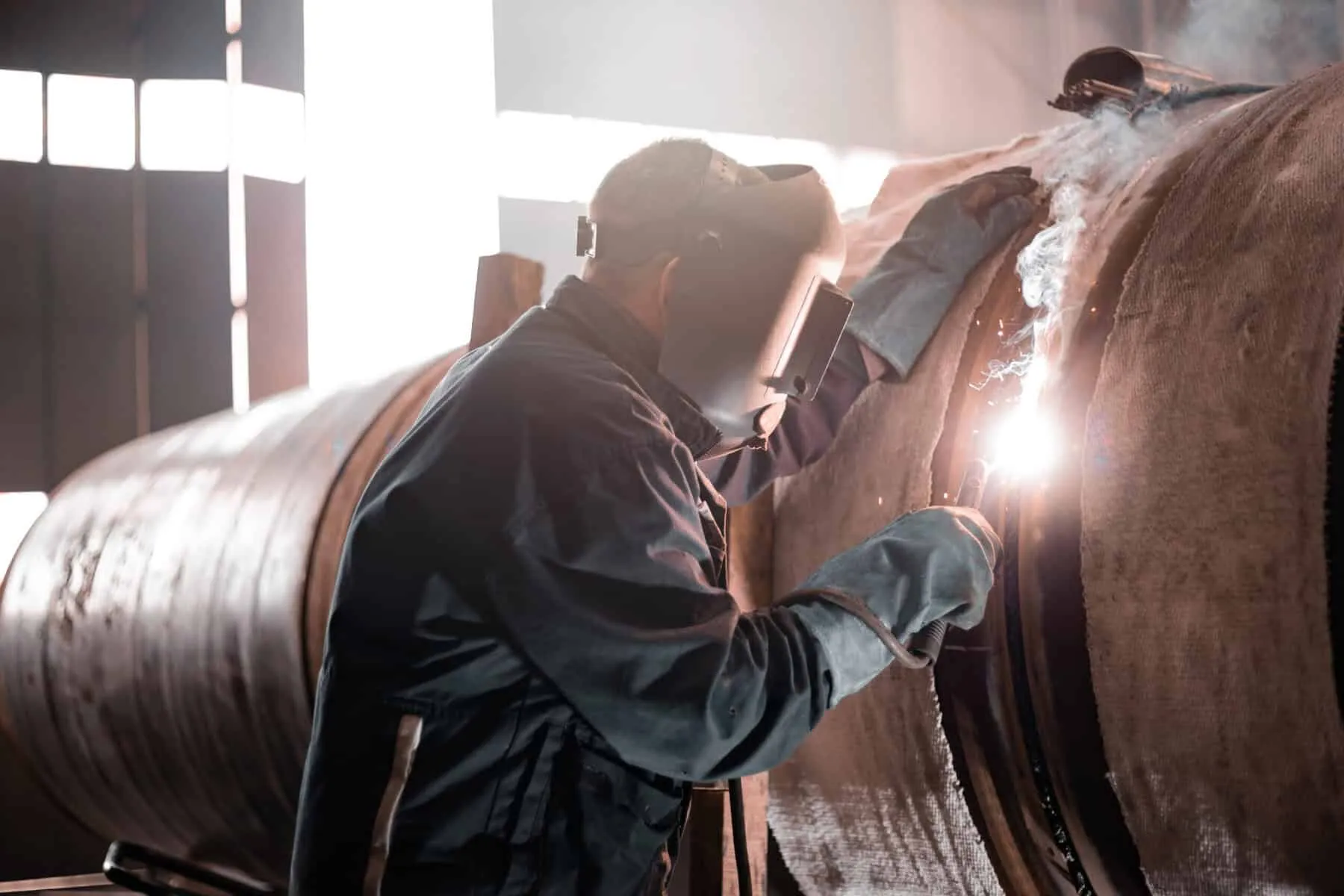
Yes. Our crews torch-cut frames, structure, piping and equipment into pieces that can be rigged and hauled. Cutting is done under hot work permits with a fire watch. We plan cuts so loads stay supported and pieces come down where we intend, not where gravity decides.
Can you remove equipment and install the replacement?
Yes. Many demo jobs make room for new equipment. Our crews can remove the old equipment, prepare the area, then rig, set, level, align and commission the new machine. One contractor for both halves means fewer handoffs and a tighter schedule.
Do you handle hazardous materials removal?
Asbestos, lead paint and other hazardous materials need to be identified and handled by licensed specialists. We work alongside your abatement contractor and schedule our cutting and removal after the area is cleared. Tell us what you know about the area when you request a quote.
Related services
All services

Request a industrial demolition quote
Tell us what's running rough. We'll tell you how fast we can be there.