Sanitary Welding & Fabricationin Northwest Indiana
Quick overview
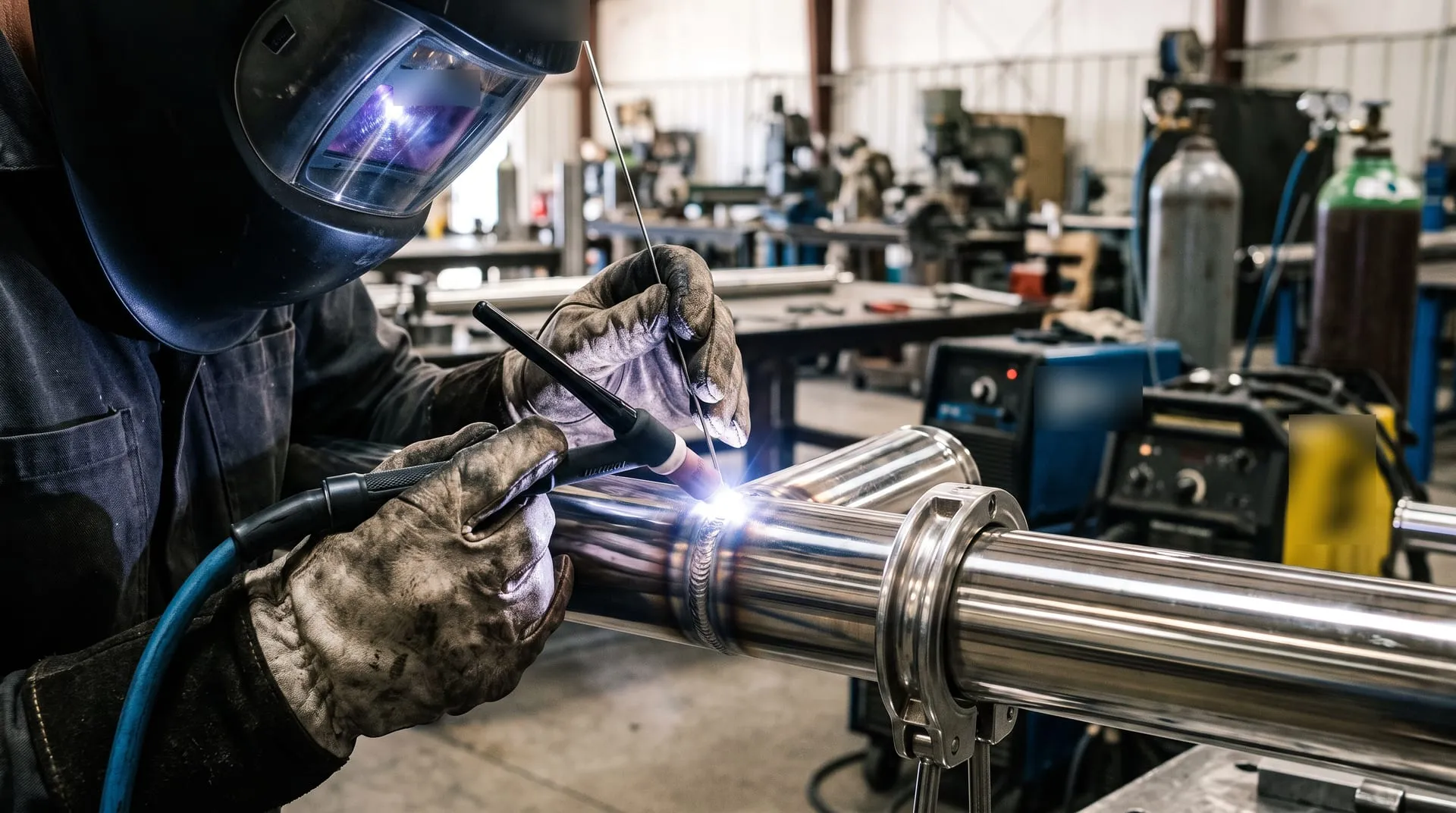
SSI fabricates and welds sanitary stainless tube and pipe for food, beverage and other hygienic process lines. Our AWS certified welders use orbital and manual TIG welding with a full inert-gas purge to make smooth, crevice-free welds that clean easily. We build in our Portage, Indiana shop and install on site.
What sanitary work does SSI do?
| Work | What we do | What you get |
|---|---|---|
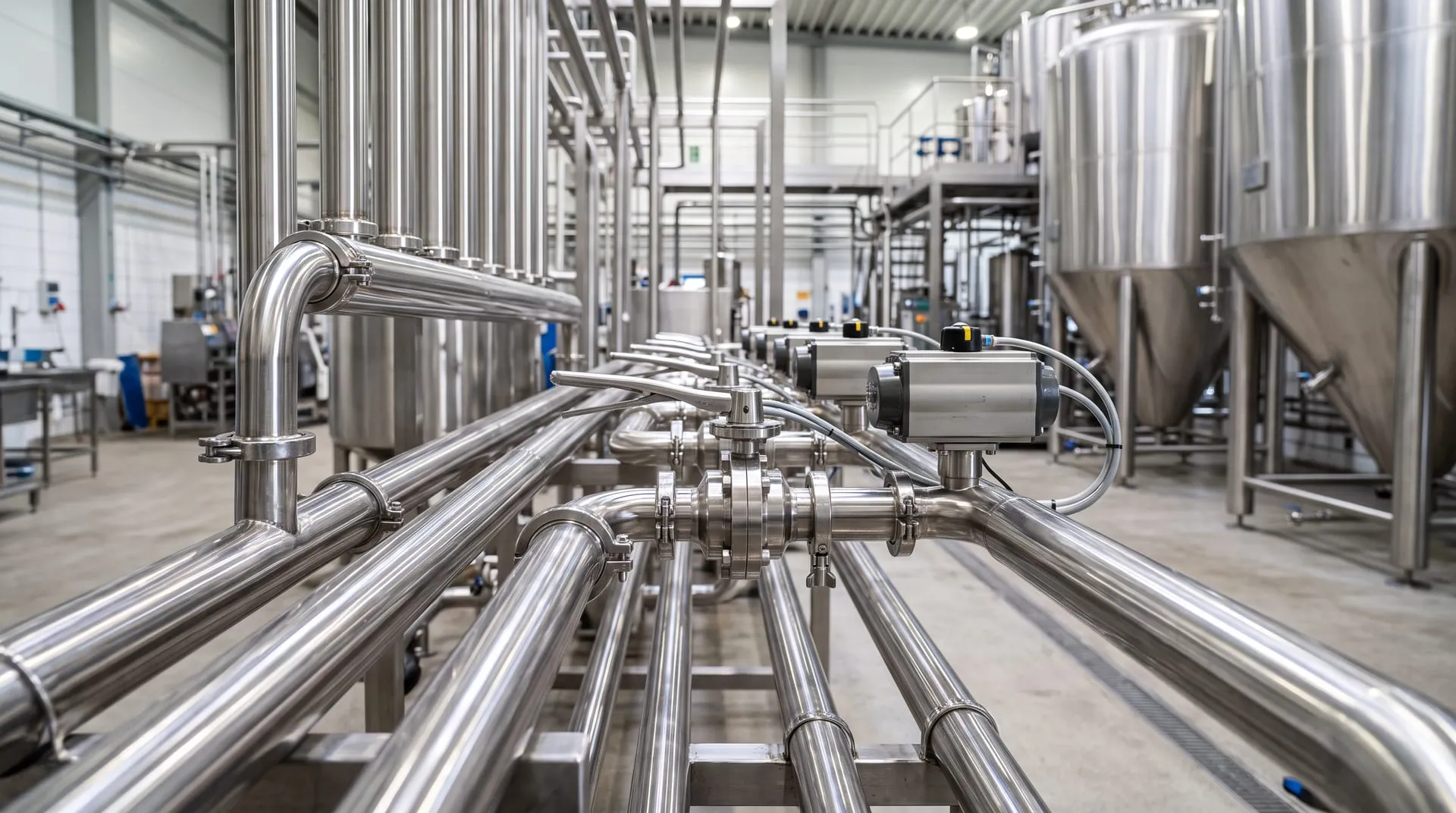
| Sanitary tube & pipe | Stainless process lines, fittings, ferrules and transitions | Clean, drainable lines built to your plant standard |
| Orbital & TIG welding | Purged butt welds on stainless tube and pipe | Smooth, consistent welds with no crevices to trap product |
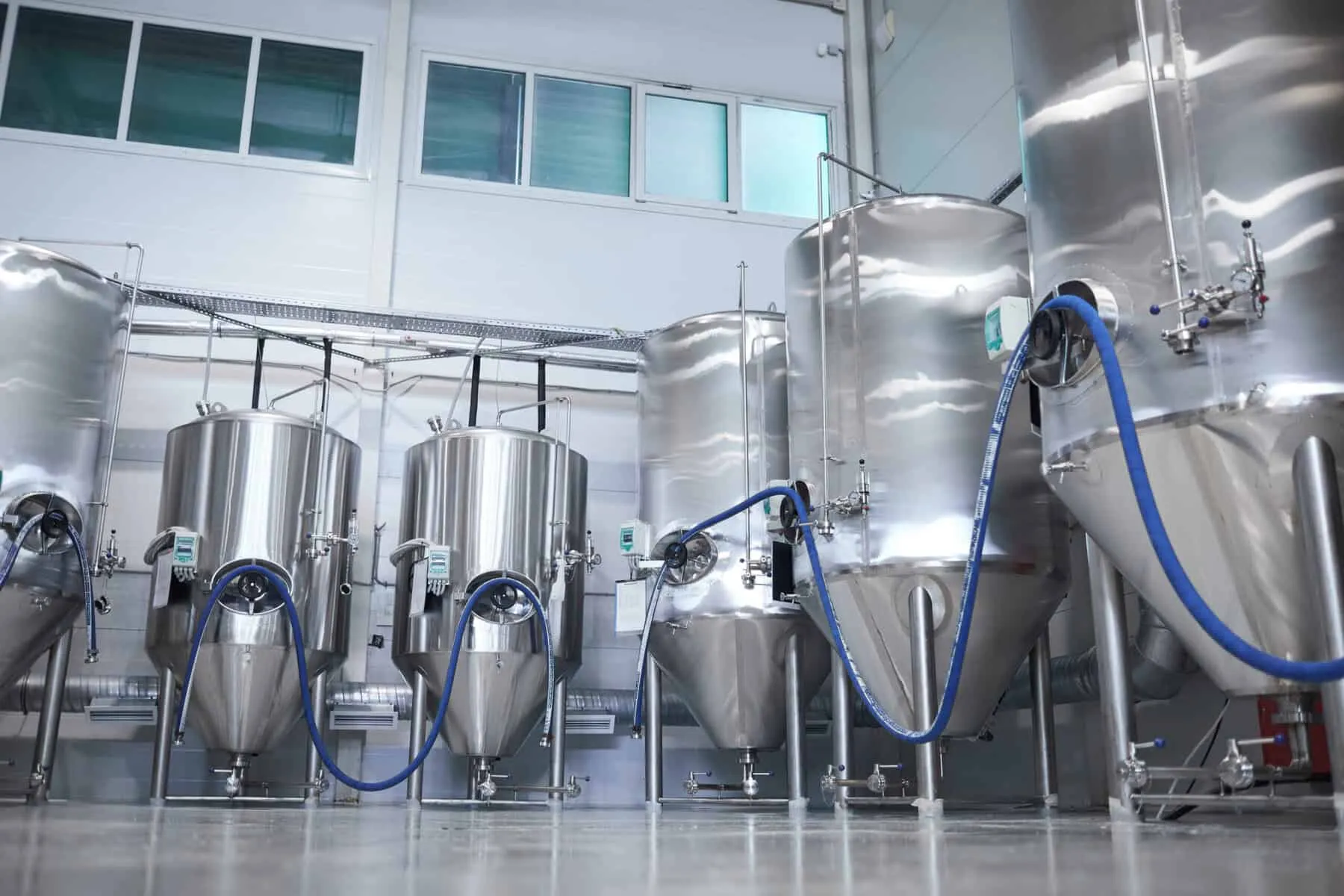
| Tanks & vessel connections | Nozzles, ports and tie-ins on stainless tanks | Hygienic connections that clean in place |
| Modifications & repairs | Reroutes, replacement sections and new equipment tie-ins | Line changes made inside a sanitation or outage window |
| Supports & hangers | Stainless supports, hangers and clamps | Lines held to slope without crevices or rust points |
- AWS certifiedCertified stainless welders.
- Full purgeInert gas backing on every weld.
- Shop + fieldBuilt in Portage, installed on site.

How does a sanitary welding job run?
Step 1: Scope
Confirm product, cleaning method, materials and your plant standard.
Step 2: Measure & draw
Field-measure the run, slope and tie-ins. Draw it for approval.
Step 3: Fabricate & weld
Cut square, fit tight and weld with full purge.
Step 4: Inspect
Check weld profile and inside color. Coordinate any added testing.
Step 5: Install
Set, support and tie in. Hand the line back clean.
When to call
When do sanitary lines need work?
Most sanitary calls start with one of these.
- Product hanging up or lines not draining
- Discolored or rough welds inside the tube
- Findings from a sanitation or quality audit
- New tank, filler or skid to tie in
- Line being rerouted or extended
- Leaks at fittings or old repairs
What is sanitary welding and fabrication?
Sanitary welding and fabrication is building stainless steel tube and pipe systems with smooth, crevice-free, fully fused welds so product cannot hang up and the line cleans easily. SSI does this work with orbital and manual TIG welding and a full inert-gas purge. We build in our Portage, Indiana shop and install on site.
In a sanitary line, the inside of the weld matters as much as the outside. A weld that looks fine from the outside can hide sugaring, crevices or a lip that traps product. Those spots resist cleaning, hold bacteria and corrode faster. Our job is to make the inside of the line as clean as the outside.
What makes a weld sanitary?
A sanitary weld is fully penetrated, smooth on the inside, free of crevices and pits, and protected from oxidation by a purge while it forms. The tube ends have to be cut square and fit tight before the arc ever strikes. Here is how that compares with a general process weld.
| Sanitary weld | General process weld | |
|---|---|---|
| Material | Polished stainless tube | Carbon steel or stainless pipe |
| Process | Orbital or manual TIG | TIG, stick or MIG |
| Back side | Full inert-gas purge | Purge only where the spec calls for it |
| Inside surface | Smooth, flush, no crevices | Sound, but finish is less critical |
| Inspection | Profile, color, often borescope | Visual plus any NDT the spec requires |
Orbital and TIG welding
Orbital welding uses a weld head that turns the tungsten around the tube. It gives very repeatable welds on long runs of the same size tube. Manual TIG welding still has a place. It handles tight access, odd fittings and repairs where a weld head will not fit. Our AWS certified welders do both.
Purge and heat tint
We purge the inside of the tube with inert gas until oxygen is cleared, then hold the purge through the weld. That protects the back side from oxidation. Heavy discoloration on the inside, called heat tint, is a sign the purge failed. It weakens the corrosion resistance of the stainless.
Which hygienic standards apply?
The standard that applies depends on your plant and product. Food and dairy equipment often references 3-A Sanitary Standards. Pharmaceutical and bioprocessing systems often reference ASME BPE. Many plants also have their own internal spec covering material, surface finish, slope and documentation.
We build to the specification your plant sets. Send it with the request, along with any weld log, inspection or material documentation your quality team needs. Our welders are AWS certified. If your project requires a specific certification or standard, tell us up front so the job is scoped correctly.
After welding, many hygienic systems are cleaned and passivated. Passivation removes free iron from the surface and helps stainless rebuild its protective oxide layer. We can coordinate cleaning and passivation as part of the job when your spec calls for it.
Where does SSI do sanitary work?
We do sanitary welding and fabrication for food and beverage plants and hygienic processes in chemical processing across Northwest Indiana and Chicagoland. Typical work includes:
- new sanitary lines for tanks, fillers and process skids;
- reroutes and extensions during a line change;
- tank nozzles, ports and tie-ins;
- replacing bad welds and old field repairs;
- stainless supports and hangers that hold slope.
Sanitary work often sits inside a bigger project. We also handle general process pipe fabrication, equipment installation and specialty and field welding. Our article on sanitary vs. process vs. jacketed pipe explains when each one fits.
How do you plan sanitary work in a running plant?
We plan sanitary work around your production and sanitation schedule, fabricate as much as possible in the shop, and keep on-site welding to the tie-ins. Every job starts with a job hazard analysis (JHA). We follow your food safety, lockout/tagout and hot work rules.
Send the product, the run, your plant standard and a few photos through the quote request form, or call (219) 386-1506. No shortcuts, no excuses.
Sanitary Welding & Fabrication across the Region
Tell us about the equipment
Send the make, model and what you're seeing. A crew lead will call you back with next steps.
Start a requestCertified & prequalified
 ISNetworld
member contractor Avetta
prequalified AWS certified
welders
Sanitary Welding & Fabrication FAQs
What is sanitary welding?
Sanitary welding is joining stainless steel tube and pipe so the inside surface stays smooth, continuous and free of crevices where product or bacteria can collect. It is usually done with orbital or manual TIG welding and a full inert-gas purge inside the tube, then inspected for weld profile and color.
Why does sanitary welding need a purge?
Without a purge, oxygen inside the tube burns the back side of the weld. That leaves a rough, discolored surface often called sugaring, which traps product and resists cleaning and corrosion poorly. Filling the tube with argon or another inert gas protects the inside of the weld while it forms.
What is the difference between orbital and manual TIG welding?
Both are gas tungsten arc welding. Orbital welding uses a machine that turns the torch around the tube for very consistent welds on repeated joints. Manual TIG is done by hand and suits tight spots, odd fittings and repairs. We pick the method based on the joint, access and your plant's spec.
Are you certified to 3-A or ASME BPE?
Our welders are AWS certified. 3-A Sanitary Standards and ASME BPE are standards the food, dairy and pharmaceutical industries use for hygienic equipment and piping. When your plant specifies one of them, send us the requirements and we will build to your specification and documentation needs.
What industries need sanitary welding?
Food and beverage plants are the main users, including dairy, brewing, bottling and prepared foods. Pharmaceutical, personal care and some chemical processes use the same hygienic practices. Any line where product purity matters and the system is cleaned in place is a good candidate.
What is passivation and do sanitary welds need it?
Passivation is a chemical treatment that removes free iron and helps stainless steel rebuild its protective oxide layer after fabrication. Many hygienic systems are cleaned and passivated after welding, especially where welds have heat tint. Whether your line needs it depends on your plant standard and the product.
Can you weld sanitary lines on site?
Yes. We fabricate as much as possible in our Portage shop, then make final tie-in welds on site with the same purge and inspection practices. We work inside your sanitation, food safety and lockout rules and plan the job around production and cleaning schedules.
Do you repair existing sanitary welds?
Yes. Poor welds, cracked fittings and old field repairs are common causes of hang-up and cleaning problems. We cut out bad sections and replace them with properly purged welds. If a whole run is in poor shape, we will tell you and quote a replacement.
Related services
All services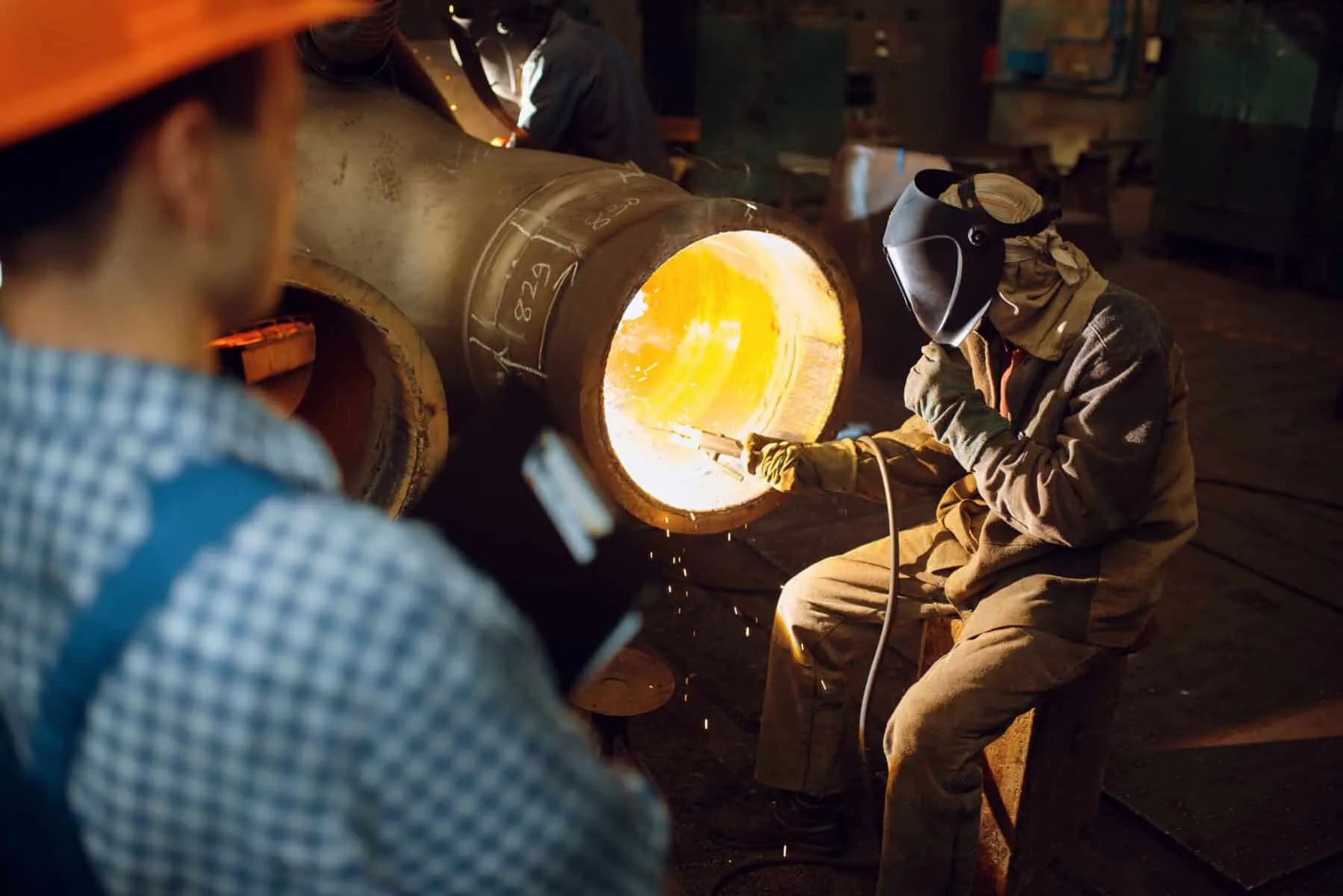
Custom Metal Fabrication
Structural, pipe and replacement parts. Shop and field.
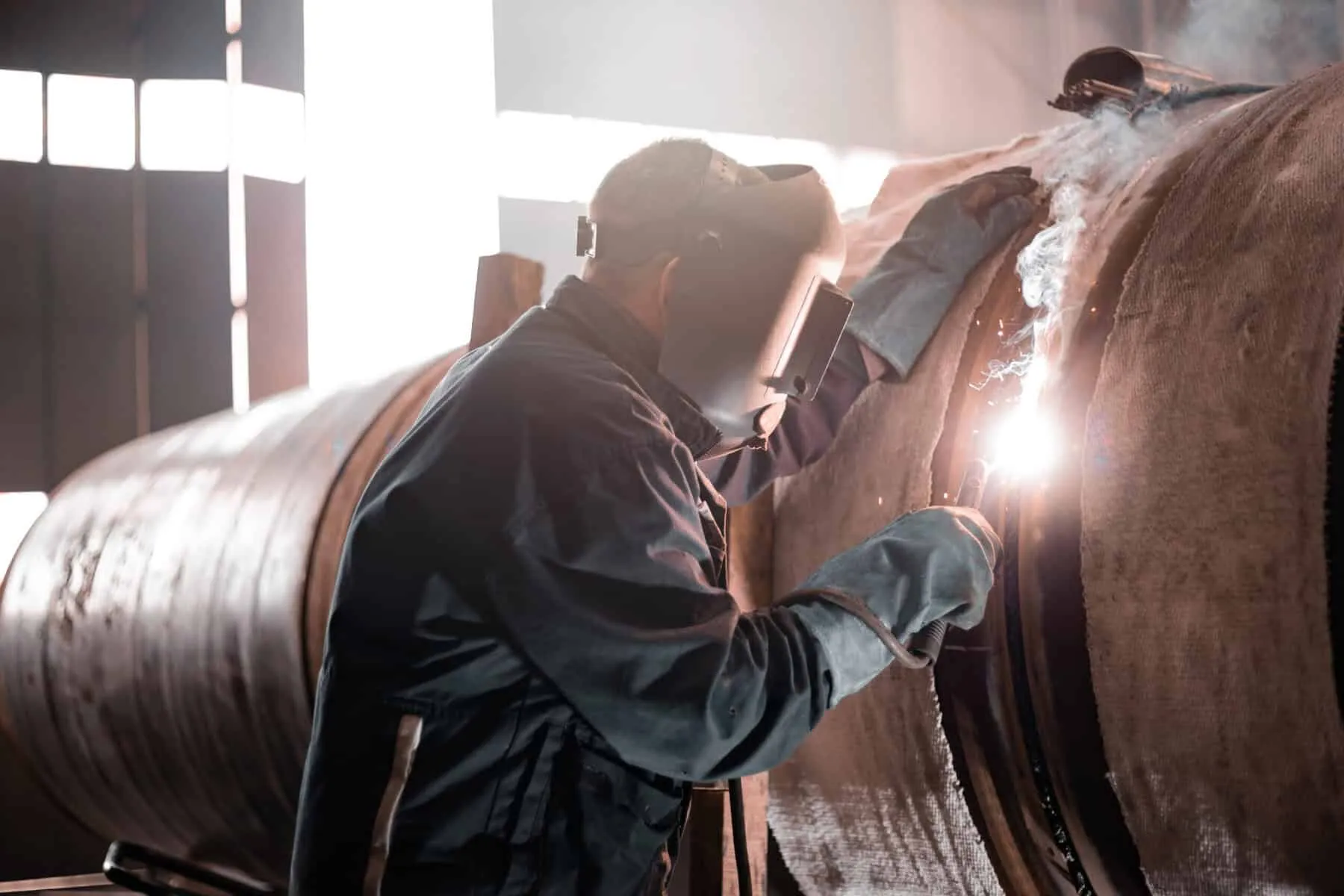
On-Site & Specialty Welding
Mobile welding rigs at your plant, 24/7 for emergencies.
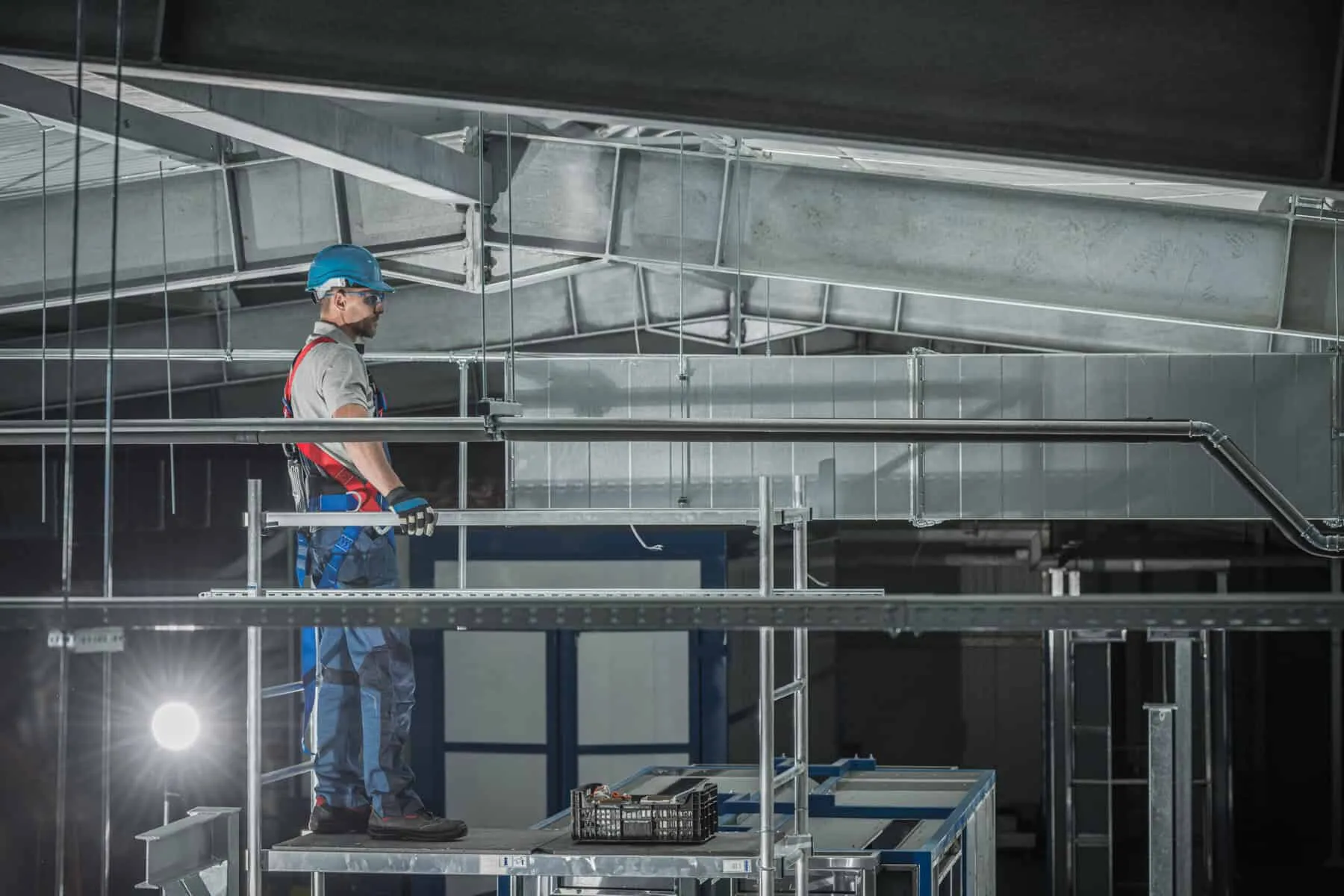
Equipment Installation
Rigged, set, leveled, aligned and run in.
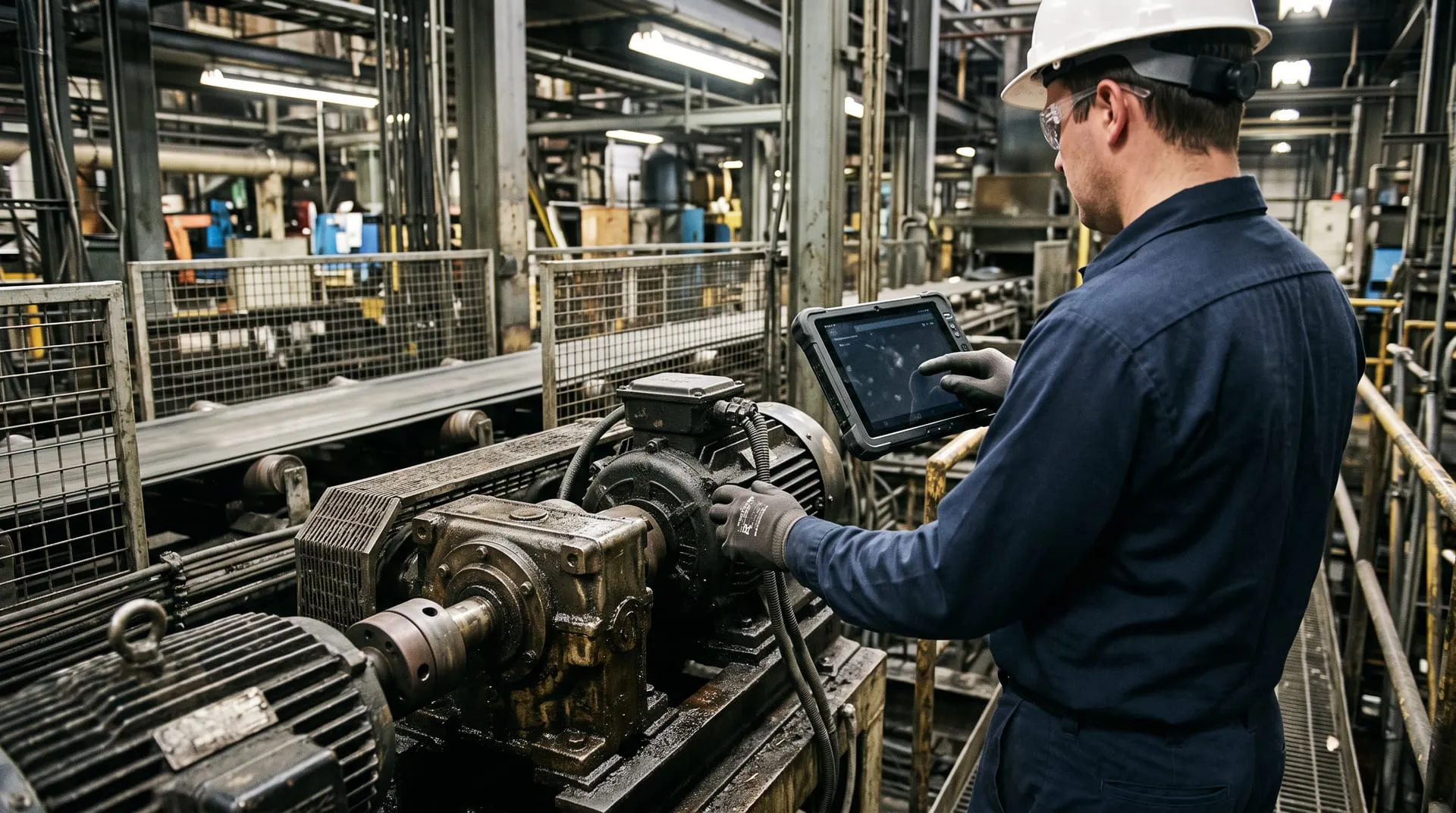
Preventive Maintenance
Inspections, alignment and outage plans that cut breakdowns.

Request a sanitary welding & fabrication quote
Tell us what's running rough. We'll tell you how fast we can be there.