Process Pipe Fabricationin Northwest Indiana
Quick overview
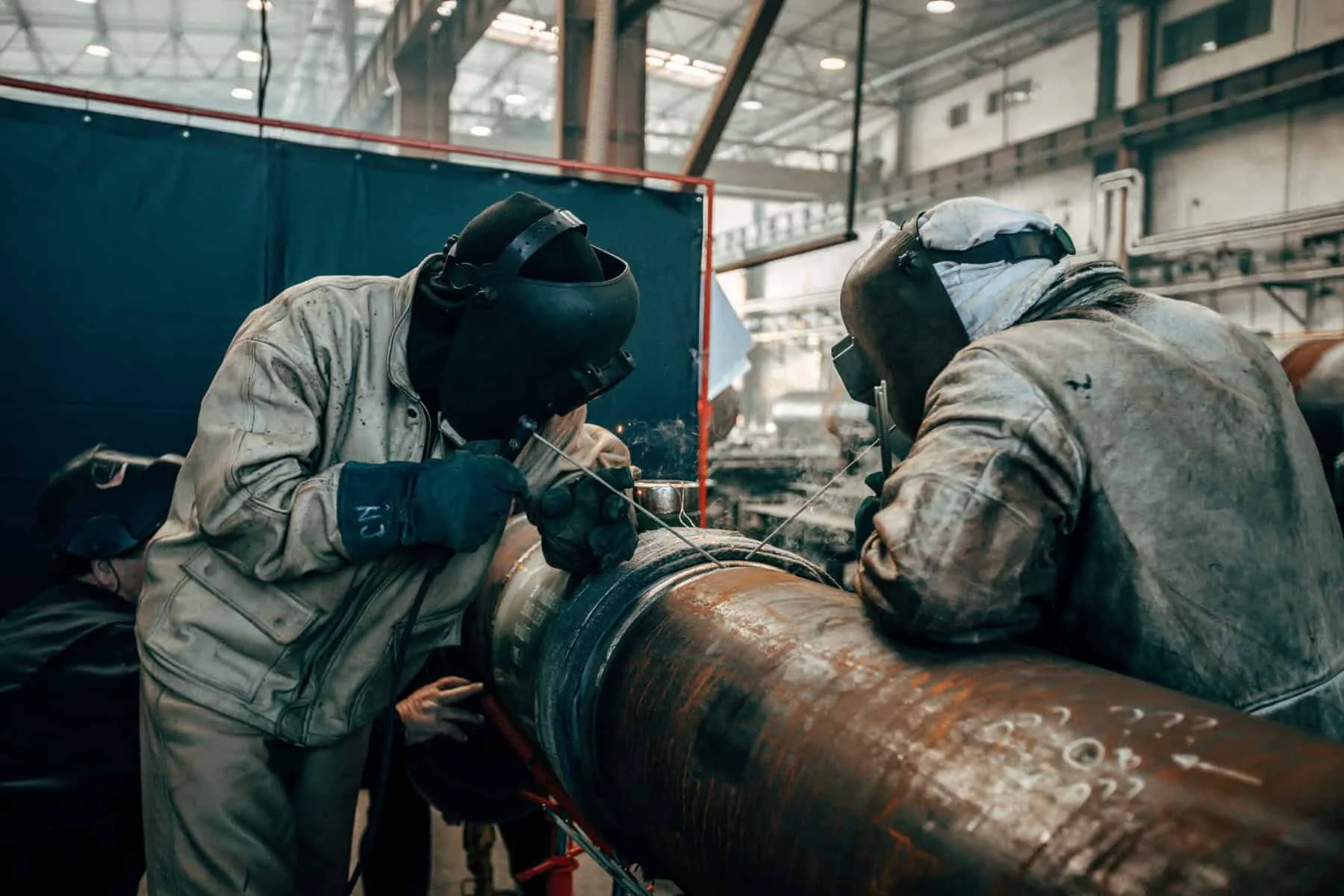
SSI fabricates process, sanitary and jacketed pipe for industrial plants. We build pipe spools in our Portage, Indiana shop from your isometrics or our field measurements, then install, tie in and support them on site with AWS certified welders. We serve steel, chemical, food, paper and power plants across Northwest Indiana and Chicagoland.
What pipe does SSI fabricate?
| Pipe type | What we build | What you get |
|---|---|---|
| Process pipe | Carbon and stainless spools for water, air, steam, hydraulics and process fluids | Spools that fit up on site without rework |
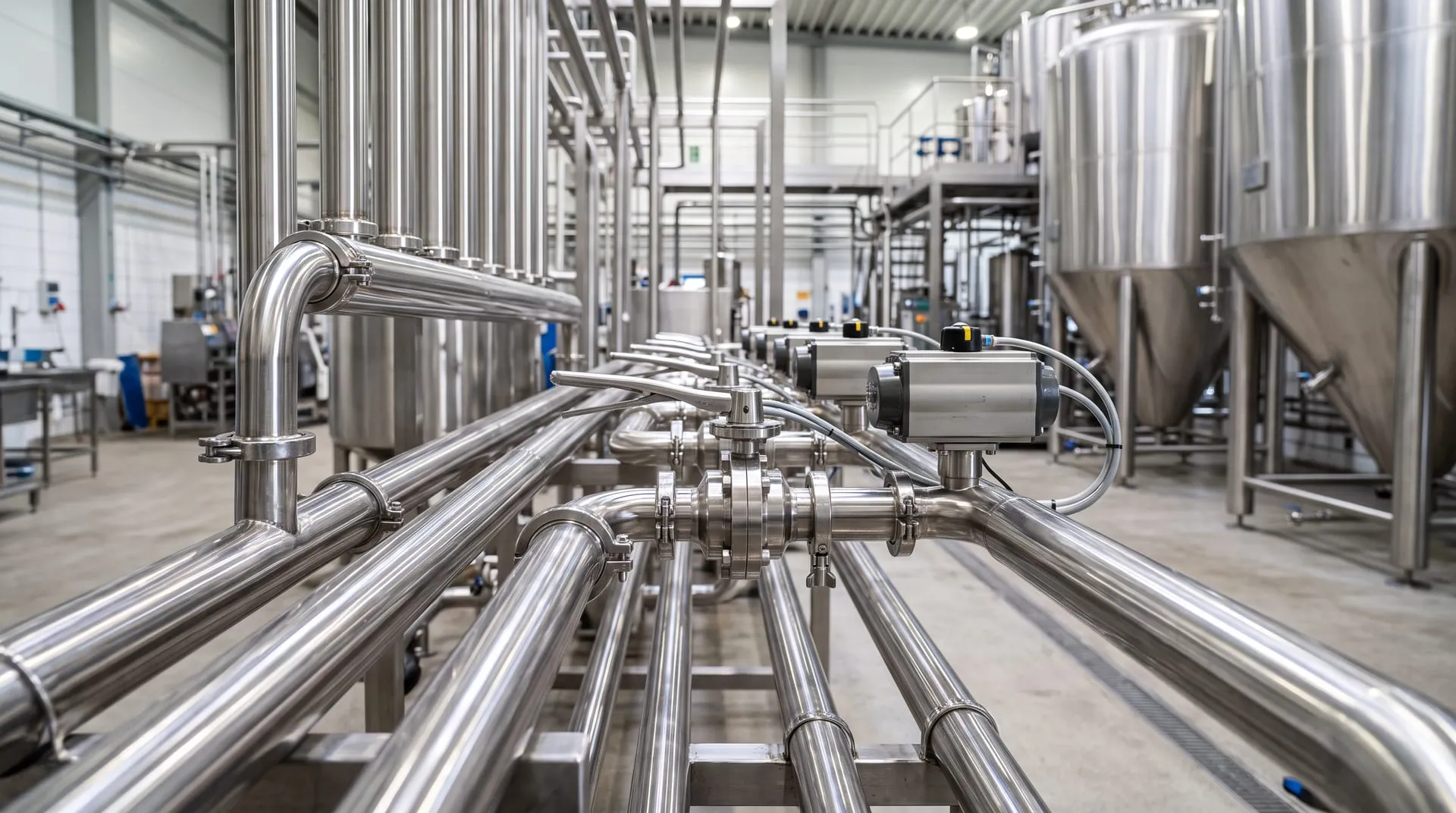
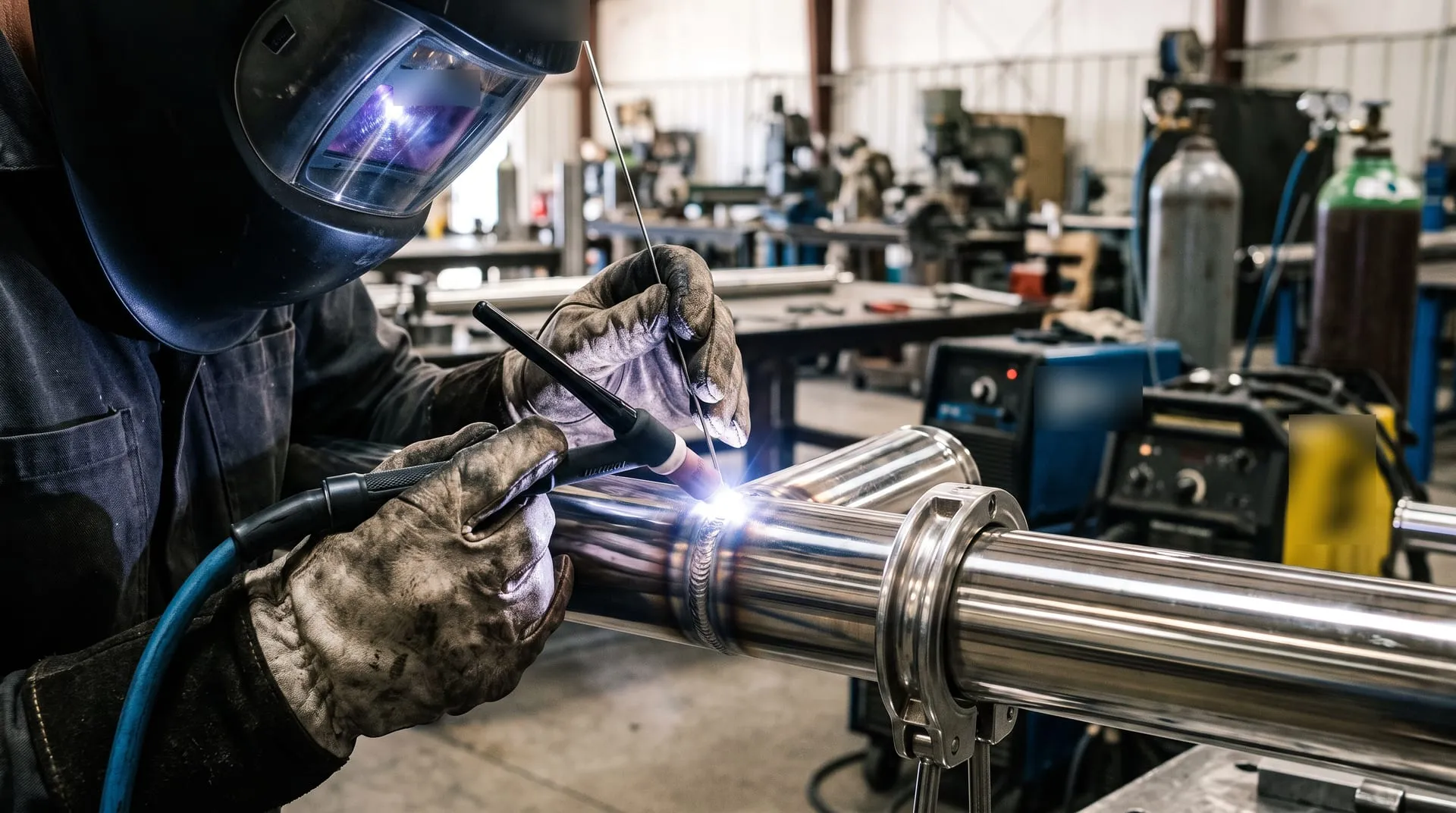
| Sanitary pipe | Polished stainless tube and fittings for hygienic service | Smooth, cleanable lines for food and beverage processing |
| Jacketed pipe | Pipe-in-pipe for heating or cooling the product line | Product held at temperature through the run |
| Supports & hangers | Pipe racks, hangers, shoes and guides | Lines held in place without strain on equipment |
| Modifications & repairs | Reroutes, tie-ins and replacement sections | Process changes made inside your outage window |
- Shop spoolsBuilt and checked in Portage.
- Field installOur crews tie it in on site.
- AWS certifiedCertified pipe welders.

How does a pipe fabrication job run?
Step 1: Measure
Field-measure tie-in points, routing and clearances.
Step 2: Spool drawings
Work from your isometrics or build spool drawings for approval.
Step 3: Fabricate
Cut, bevel, fit and weld spools in our shop.
Step 4: Inspect & test
Check fit and welds, and coordinate testing to your spec.
Step 5: Install
Set, support and tie in the spools on site.
When to call
When does a plant need pipe fabrication?
Most pipe calls start with one of these.
- Leaking or corroded pipe sections
- Process line being rerouted
- New equipment needs tie-ins
- Product losing temperature in the line
- Pipe strain on pumps or equipment
- Pipe work planned for an outage
What does SSI’s process pipe fabrication cover?
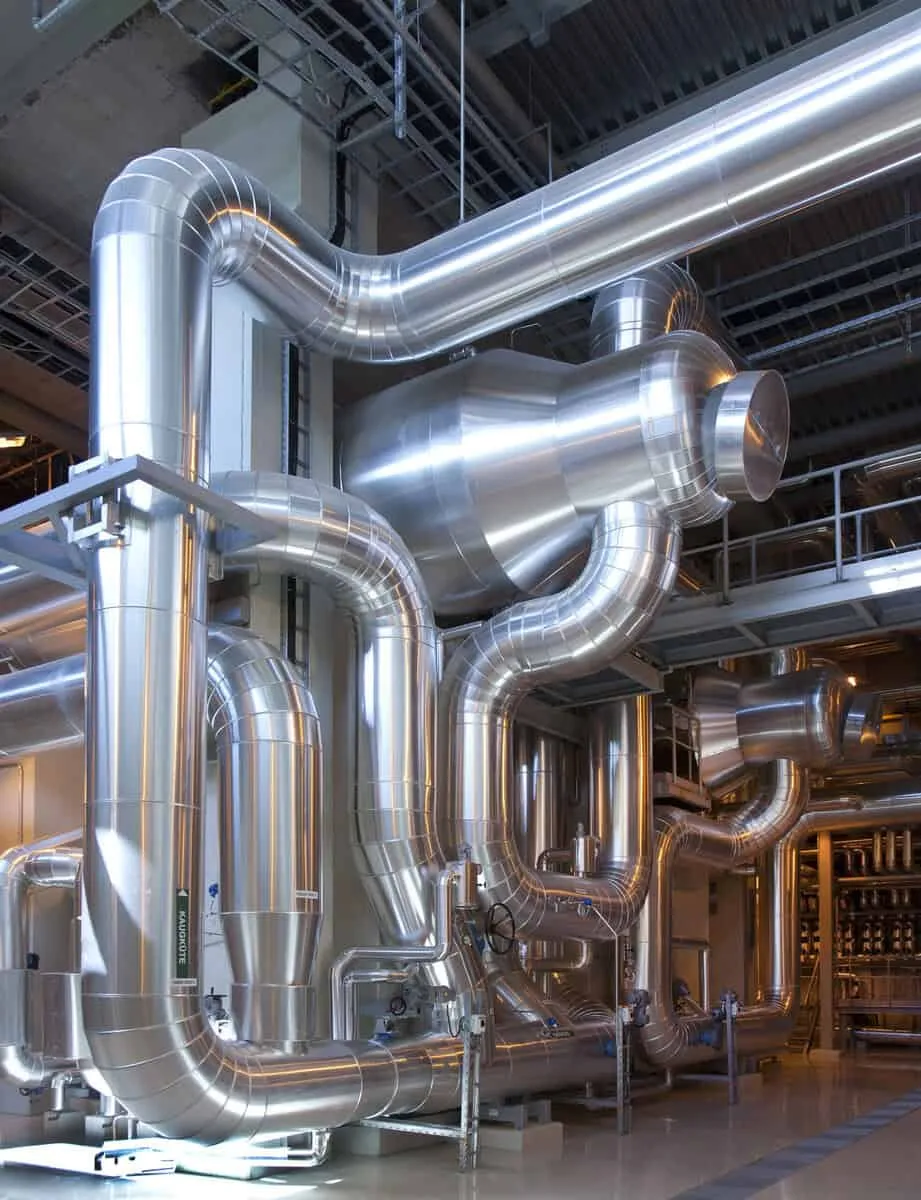
SSI fabricates and installs process, sanitary and jacketed pipe for industrial plants. We build spools in our Portage, Indiana shop from your isometrics or our field measurements. Then our crews set, support and tie them in on site. Carbon steel and stainless are the most common materials we work with.
Our pipe work covers new lines for new equipment, reroutes during a process change, and replacement of corroded or leaking sections.
What is the difference between process, sanitary and jacketed pipe?
Each type is built for a different service. The table sums it up, and our article on sanitary vs. process vs. jacketed pipe goes deeper.
| Process pipe | Sanitary pipe | Jacketed pipe | |
|---|---|---|---|
| Typical material | Carbon steel or stainless | Polished stainless tube | Carbon or stainless, pipe-in-pipe |
| Typical service | Water, steam, air, hydraulics, chemicals | Food, beverage and other hygienic product | Product that must stay hot or cool |
| Joining | Butt welds, socket welds, flanges | Orbital or TIG butt welds, sanitary clamps | Welded inner and outer pipe with jumpers |
| What matters most | Pressure, fit-up, supports | Smooth, crevice-free, cleanable welds | Even heat transfer through the run |
Sanitary work has its own page. See sanitary welding and fabrication for stainless tube, purge welding and hygienic weld finish.
Jacketed pipe
Jacketed pipe keeps product at temperature by running steam, hot water or coolant through an outer pipe around the product line. It shows up where material would thicken, crystallize or set if it cooled in the line. Fabrication takes care because the inner line, the jacket and the jumpers between sections all have to fit and seal.
Why build pipe spools in the shop?
Shop-built spools fit better, weld cleaner and install faster than pipe built in place. In the shop, welders work in good position with controlled conditions and easy access for inspection. On site, the crew sets finished spools and makes only the final tie-in welds.
That has a direct effect on your outage. Open lines stay open for less time. Hot work in the plant is kept to the tie-ins. And the spools have already been checked before they show up.
How do you install pipe in an operating plant?
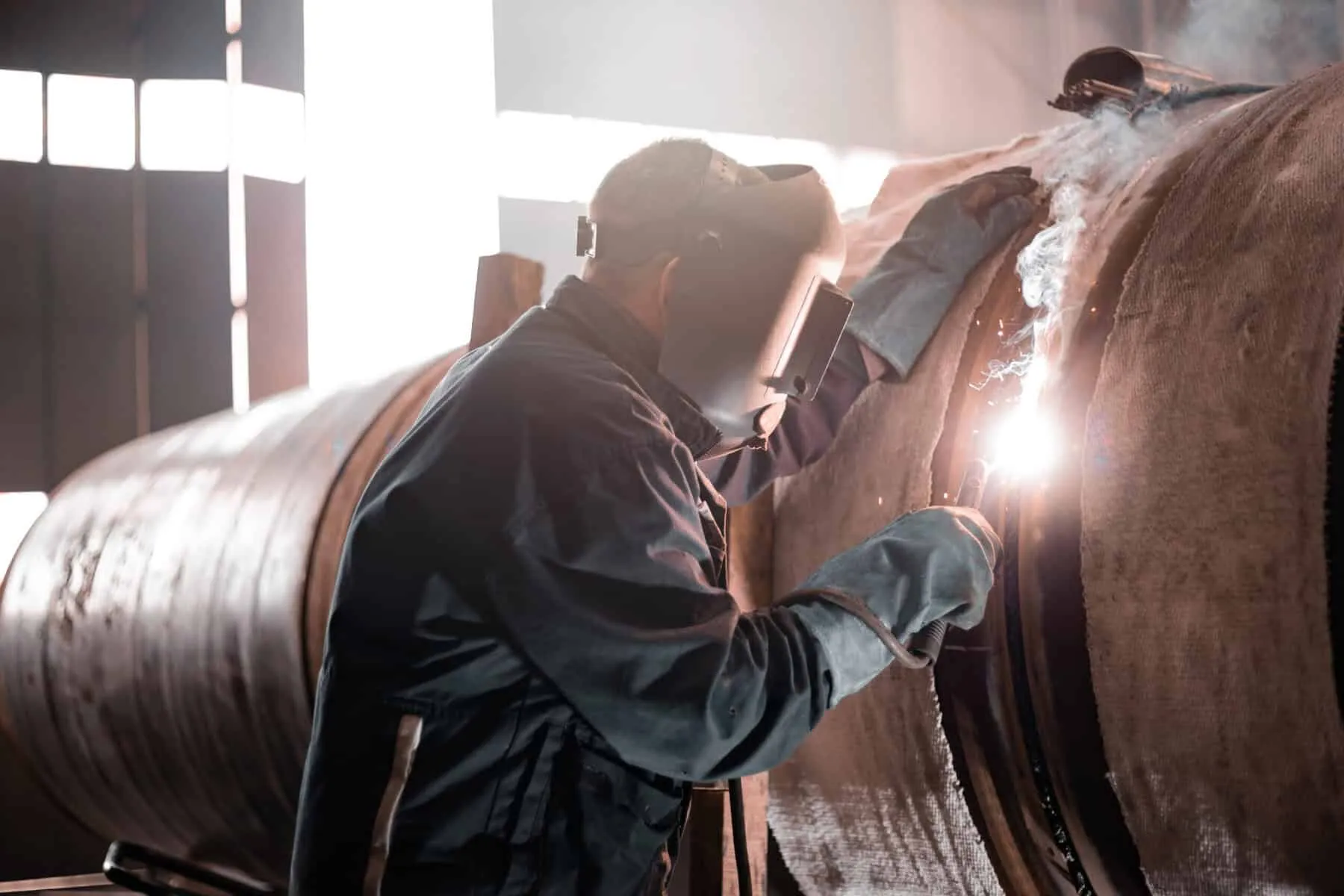
We install pipe in running plants by isolating the work area, following your permits, and keeping on-site welding to tie-ins. Every job starts with a job hazard analysis (JHA). Lockout/tagout, line breaking, hot work and confined space rules are built into the plan.
A typical install:
- Field-verify the routing and tie-in points before fabrication.
- Fabricate spools and supports in the shop.
- Isolate, drain and clear lines with your operations team.
- Set spools, install supports and make the tie-in welds.
- Coordinate testing to your spec and return the line to service.
Good support matters as much as good welds. Pipe forced into place pushes on pump and equipment nozzles and pulls them out of laser alignment. We set supports so the pipe carries its own weight.
Which plants use SSI for pipe fabrication?
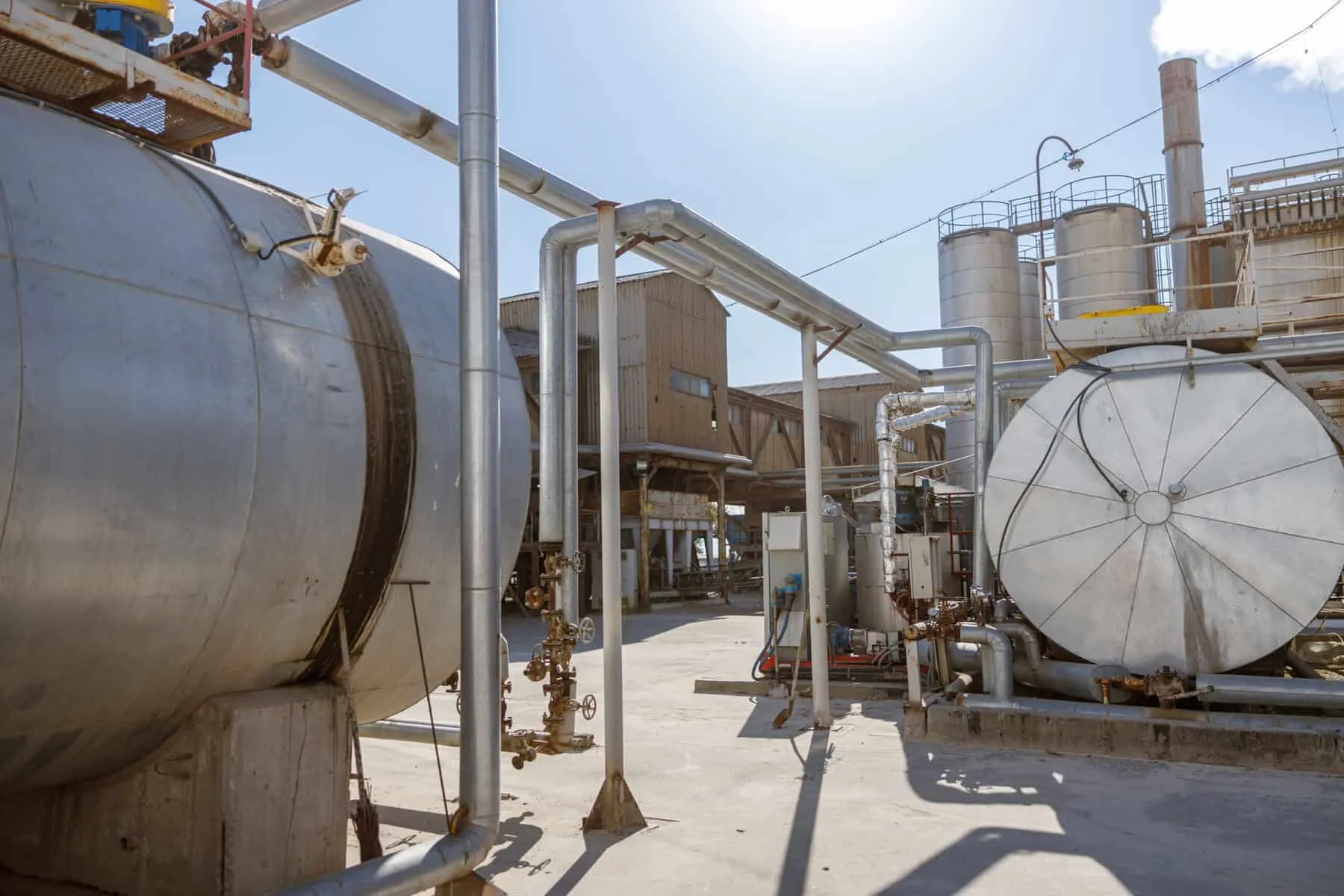
We fabricate pipe for chemical processing, food and beverage, pulp and paper, steel and power generation plants across Northwest Indiana and Chicagoland. Pipe is part of our custom metal fabrication work, and our certified welders also handle specialty and field welding.
Send your isometrics, photos or a sketch through the quote request form, or call (219) 386-1506. Done right the first time.
Process Pipe Fabrication across the Region
Tell us about the equipment
Send the make, model and what you're seeing. A crew lead will call you back with next steps.
Start a requestCertified & prequalified
 ISNetworld
member contractor Avetta
prequalified AWS certified
welders
Process Pipe Fabrication FAQs
What is process pipe fabrication?
Process pipe fabrication is cutting, fitting and welding pipe, fittings and flanges into spools that carry fluids, gases or slurries through a plant. SSI builds those spools in our Portage, Indiana shop and installs them on site, including supports and tie-ins to your existing lines and equipment.
What is the difference between process, sanitary and jacketed pipe?
Process pipe is general-purpose carbon or stainless pipe for water, steam, air and process fluids. Sanitary pipe is polished stainless tubing with smooth welds for food and beverage service. Jacketed pipe has an outer pipe around the product line that carries steam, hot water or coolant to hold product temperature.
What is a pipe spool?
A pipe spool is a prefabricated section of pipe with its fittings and flanges already welded on, ready to bolt or weld into place. Building spools in the shop gives better fit-up and weld quality and cuts the time your line is open during an outage.
Do you install the pipe you fabricate?
Yes. Our field crews set the spools, install supports and hangers, and tie in to your existing piping and equipment. Fabricating and installing with the same team means measurement or fit-up issues get solved by the people who caused them.
Can you work from isometric drawings?
Yes. Send your isometrics and we will build spools from them. If there are no current drawings, we field-measure the routing and tie-in points and produce spool drawings for your approval before we cut pipe. Either way, you sign off on the routing before fabrication starts.
How do you check weld quality on process pipe?
Our AWS certified welders follow the welding procedure your job requires, and we inspect fit-up and finished welds before spools ship. When your spec calls for nondestructive testing (NDT) or pressure testing, we coordinate it with qualified inspection providers and hand you the results.
Can pipe strain damage pumps and equipment?
Yes. Pipe that is forced into place or poorly supported pushes on pump and equipment nozzles. That pulls the machine out of alignment and shortens bearing and seal life. Proper fit-up, good supports and stress-free tie-ins keep pipe loads off the equipment and help it hold alignment.
Related services
All services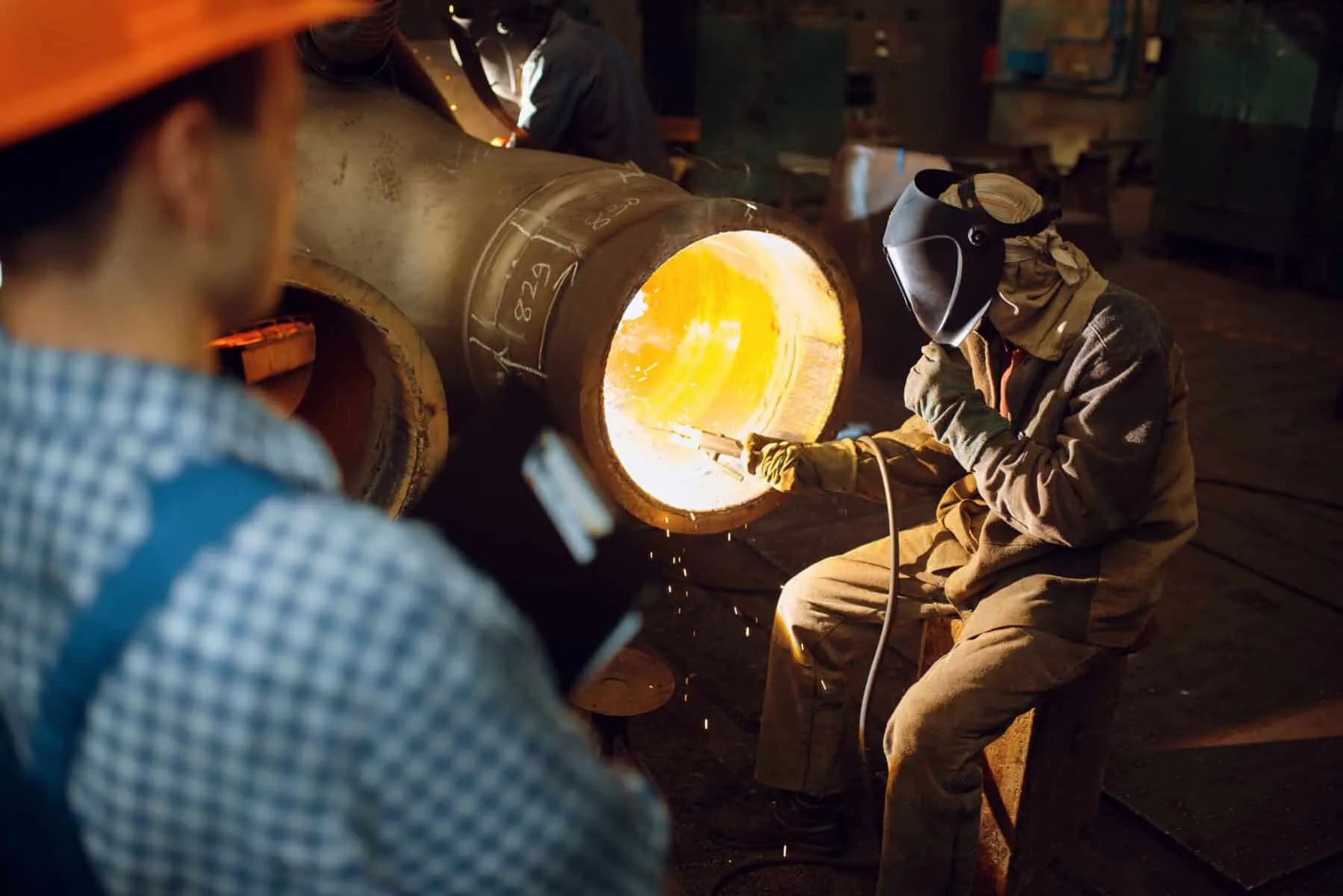
Custom Metal Fabrication
Structural, pipe and replacement parts. Shop and field.
Sanitary Welding & Fabrication
Stainless tube and pipe with clean, purged welds.
On-Site & Specialty Welding
Mobile welding rigs at your plant, 24/7 for emergencies.
Equipment Installation
Rigged, set, leveled, aligned and run in.

Request a process pipe fabrication quote
Tell us what's running rough. We'll tell you how fast we can be there.