
Conveyor Installation & Repairin Northwest Indiana
Quick overview
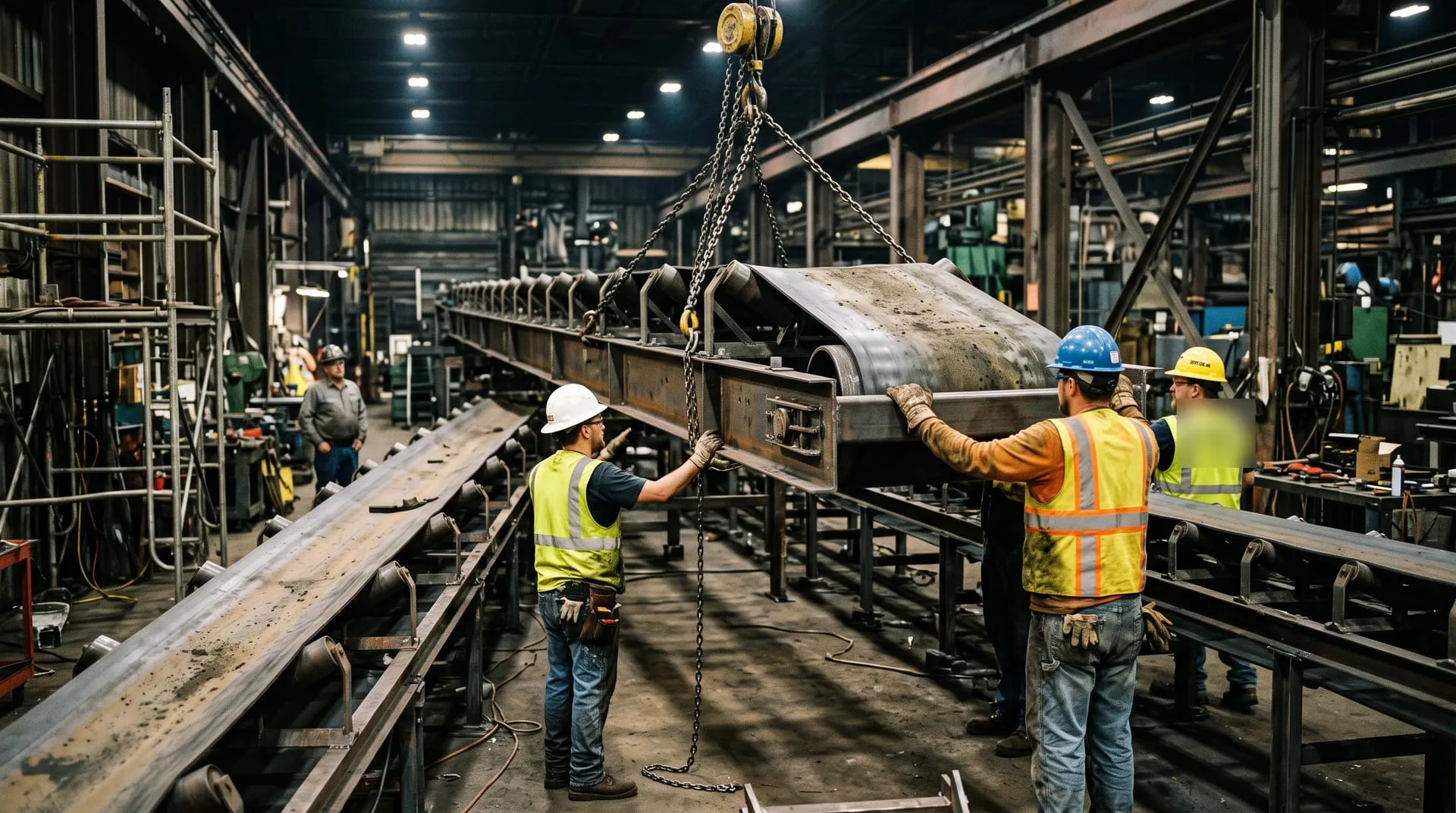
SSI installs, repairs and rebuilds industrial conveyor systems across Northwest Indiana and Chicagoland. Our millwrights handle belts, drives, pulleys, idlers, structure and tracking, laser-align conveyor drives, and fabricate chutes, guards and components in our Portage shop when the part you need isn't on the shelf.
What conveyor work do we do?
| Component | What we do | What you get |
|---|---|---|
| Belts | Belt replacement, splicing support, tensioning and tracking | A belt that runs straight |
| Drives | Motor, reducer and head shaft repair and laser alignment | Fewer drive failures |
| Pulleys & idlers | Pulley, lagging, bearing and idler replacement | Less belt wear and drag |
| Structure | Frame, stringer and support repair and fabrication | A straight and square conveyor |
| Chutes & transfers | Fabricate and repair chutes, skirting and liners | Less spillage and build-up |
| New installs | Rig, set, align and commission new conveyors | A line ready to run |
- Laser-aligned drivesMotor to reducer to head shaft.
- Shop fabricationChutes and components built in-house.
- 24/7 repairCall (219) 386-1506 when it's down.

How do we work on a conveyor?
Step 1: Inspect
Walk the conveyor. Check belt, tracking, pulleys, idlers and drive.
Step 2: Find the cause
Trace mistracking, wear or failure to its root, not just the symptom.
Step 3: Repair or install
Replace components, fix structure or install new sections.
Step 4: Align & track
Laser-align the drive and square pulleys so the belt tracks.
Step 5: Run & verify
Run loaded and empty. Confirm tracking and temperatures.
Signs of conveyor trouble
When does a conveyor need attention?
Most conveyor failures give warning. Call us if you're seeing any of these.
- Belt drifting or running off the pulleys
- Torn belt edges or damaged splices
- Hot bearings or drive components
- Noisy or seized idlers
- Spillage at transfer points
- Repeated drive or reducer failures
What makes conveyors fail?
Conveyors fail from the drive, the belt, the rolling components or the structure, and those problems usually feed each other. A pulley out of square makes the belt drift. A drifting belt tears its edges and spills material. Spillage buries idlers and seizes bearings. A seized idler drags the belt and loads the drive.
That is why our crews look at the whole conveyor, not just the part that broke. Fixing the torn belt without fixing the tracking means you’ll be back in a few weeks.
What conveyor work do we handle?
Our millwrights handle installation, repair and rebuilds on the conveyors that keep a plant moving. That includes:
- Belts: replacement, tensioning and tracking, plus support for splicing crews.
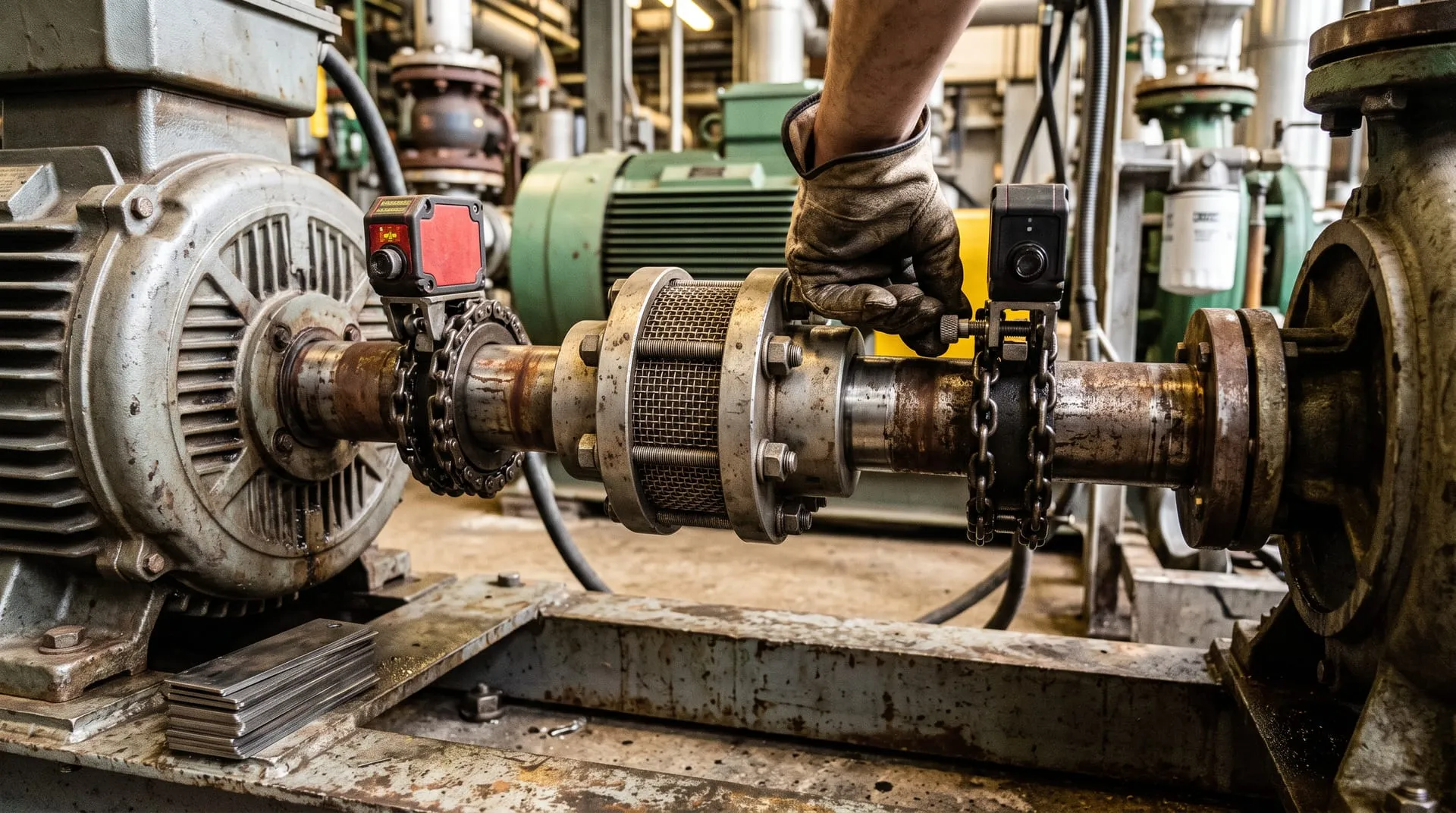
- Drives: motor, reducer and head shaft repair, with laser alignment on every drive.
- Pulleys and idlers: head, tail, snub and bend pulleys, lagging, bearings and idler sets.
- Structure: frames, stringers, supports and walkways repaired or rebuilt.
- Chutes and transfer points: fabricated, relined or redesigned to cut spillage.
- New systems: rigged, set, leveled, aligned and commissioned.
How do we fix belt tracking for good?
We fix tracking by squaring the conveyor before adjusting the belt. Our crew checks that pulleys and idlers are square to the frame, the frame is straight and level, the splice is square, and material loads on center. Then we adjust. Training idlers help, but they shouldn’t be doing all the work.
| Tracking symptom | Common cause | What we check first |
|---|---|---|
| Belt drifts at one spot | Idler set out of square | Idler alignment at that section |
| Belt drifts everywhere | Pulley out of square or structure shifted | Head and tail pulleys, frame |
| Drift changes with load | Off-center loading | Chute and skirting at the transfer |
| Belt wanders back and forth | Splice not square | Splice and belt condition |
| Drift after a cleanup | Build-up on pulleys or idlers | Lagging and roll faces |
Why do conveyor drives need alignment?
Conveyor drives need alignment because a motor, reducer and head shaft out of line wear each other out. Misalignment loads bearings and seals on every revolution and shows up as heat, vibration and repeat failures. Our crews laser-align the motor to the reducer and check the reducer to the head shaft, then hand you the readings.
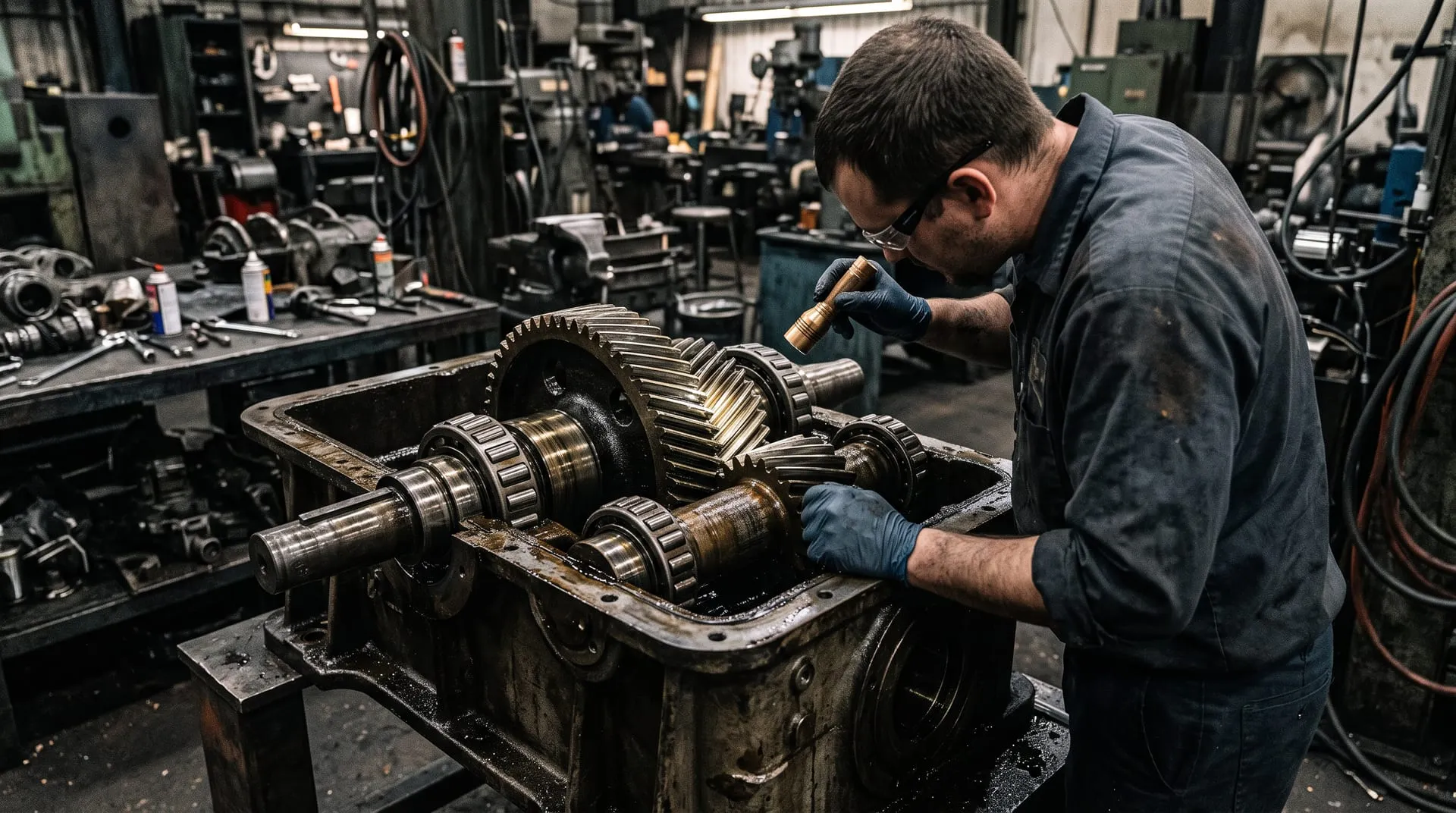
If the reducer is already damaged, we can rebuild it. See gearbox rebuilds.
Fabrication for conveyor work
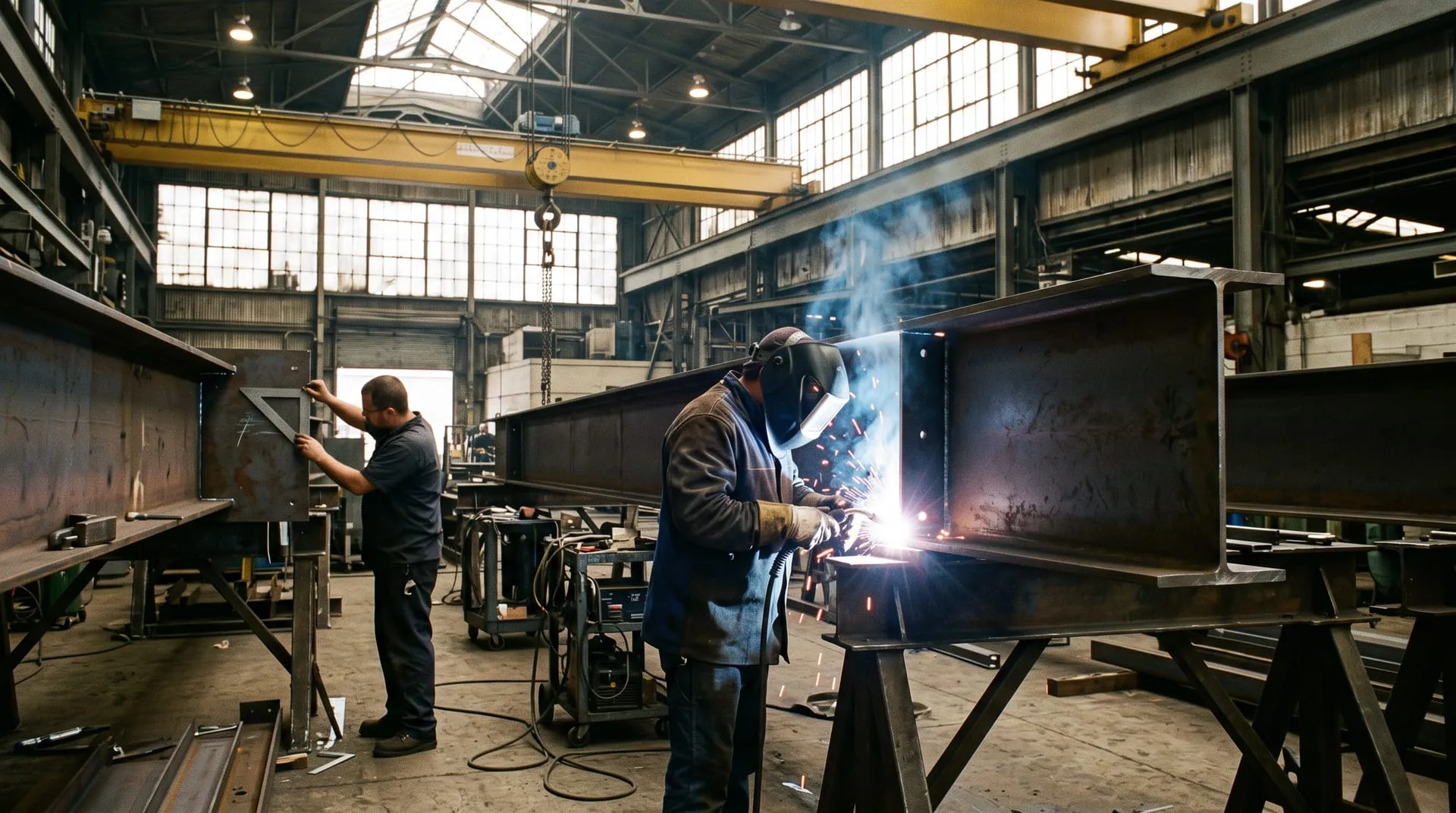
Conveyor rebuilds and component fabrication are part of what SSI does. Our Portage shop builds chutes, skirting, guards, frames and platforms, and machines shafts and other parts when the OEM can’t ship in time. See fabrication and our machine shop.
New conveyor installations
New conveyors follow the same steps as any equipment installation: rig, set, level, align, track and commission. We coordinate with your electricians on drive and controls tie-in and run the system loaded and empty before we hand it over.
When a conveyor is down
If a conveyor is down now, call (219) 386-1506. Our emergency repair crews work 24/7 across Northwest Indiana and Chicagoland. After the repair, we can set up preventive maintenance checks so it stays running. When downtime isn’t an option, we’re a phone call away.
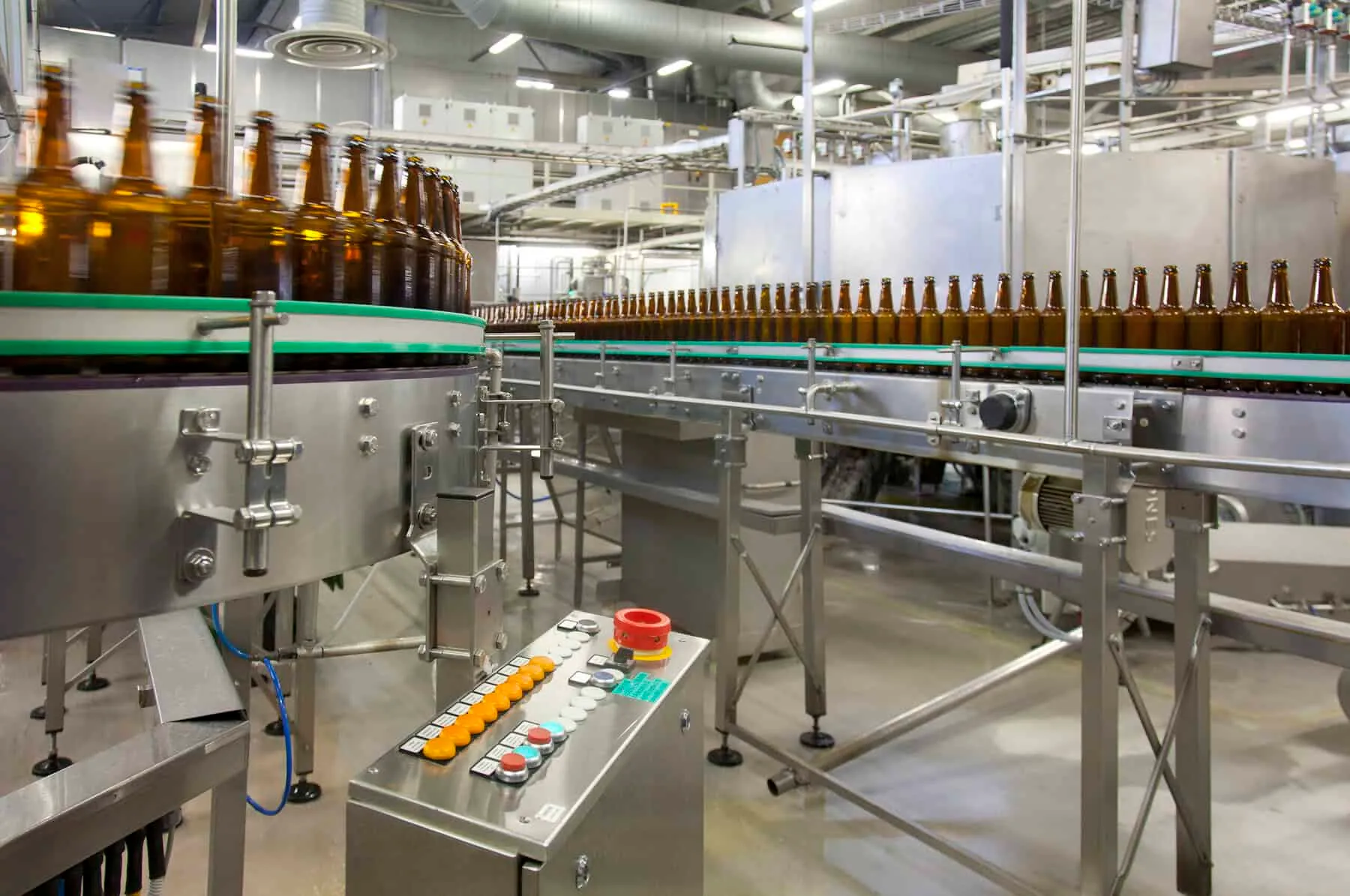
Conveyor Systems across the Region
Tell us about the equipment
Send the make, model and what you're seeing. A crew lead will call you back with next steps.
Start a requestCertified & prequalified
 ISNetworld
member contractor Avetta
prequalified AWS certified
welders
Conveyor Systems FAQs
What causes a conveyor belt to mistrack?
The most common causes are pulleys or idlers out of square with the frame, a belt splice that isn't square, material build-up on pulleys or idlers, and off-center loading at the transfer point. Structure that has shifted or sagged also causes drift. We find the cause before adjusting, because training idlers alone often hide the real problem.
Do you install new conveyor systems?
Yes. Our millwrights rig, set and level new conveyors, install the drive, pulleys and idlers, laser-align the drive, track the belt and commission the system with your team. Our shop fabricates supports, chutes and guards as needed, so the install isn't held up by small parts.
Can you repair a conveyor that is down right now?
Yes. Call (219) 386-1506. Our crews handle conveyor emergencies around the clock: torn belts, failed drives, seized pulleys, broken structure. If a part isn't available, we can machine or fabricate it in our Portage shop. We'll tell you on the call when a crew can be there.
Why does a conveyor drive need laser alignment?
A misaligned motor-to-reducer or reducer-to-head-shaft connection puts extra load on bearings, seals and couplings every revolution. That leads to heat, vibration and early failure. Laser alignment corrects offset and angularity so the drive runs cooler and lasts longer. We align drives on every conveyor we install or rebuild.
What types of conveyors do you work on?
We work on belt conveyors, roller conveyors, screw conveyors, bucket elevators and the drives, chutes and transfer points that go with them. That covers bulk material handling in steel mills and refractory plants and product conveyors in food and beverage plants. We work on all makes and models.
Can you fabricate conveyor components?
Yes. Our Portage shop fabricates chutes, skirting, guards, frames, stringers, supports and platforms, and machines shafts and other components. Conveyor rebuilds and component fabrication are part of our fabrication work. Building parts in-house shortens repairs when OEM lead times are long.
How often should conveyors be inspected?
As general guidance, most plants walk critical conveyors daily or weekly for tracking, noise and spillage, and do a more detailed inspection of pulleys, idlers, belt condition and drives on a monthly or quarterly schedule. Heavy-duty and abrasive service needs closer attention. We can build conveyor checks into a preventive maintenance program.

Request a conveyor systems quote
Tell us what's running rough. We'll tell you how fast we can be there.