
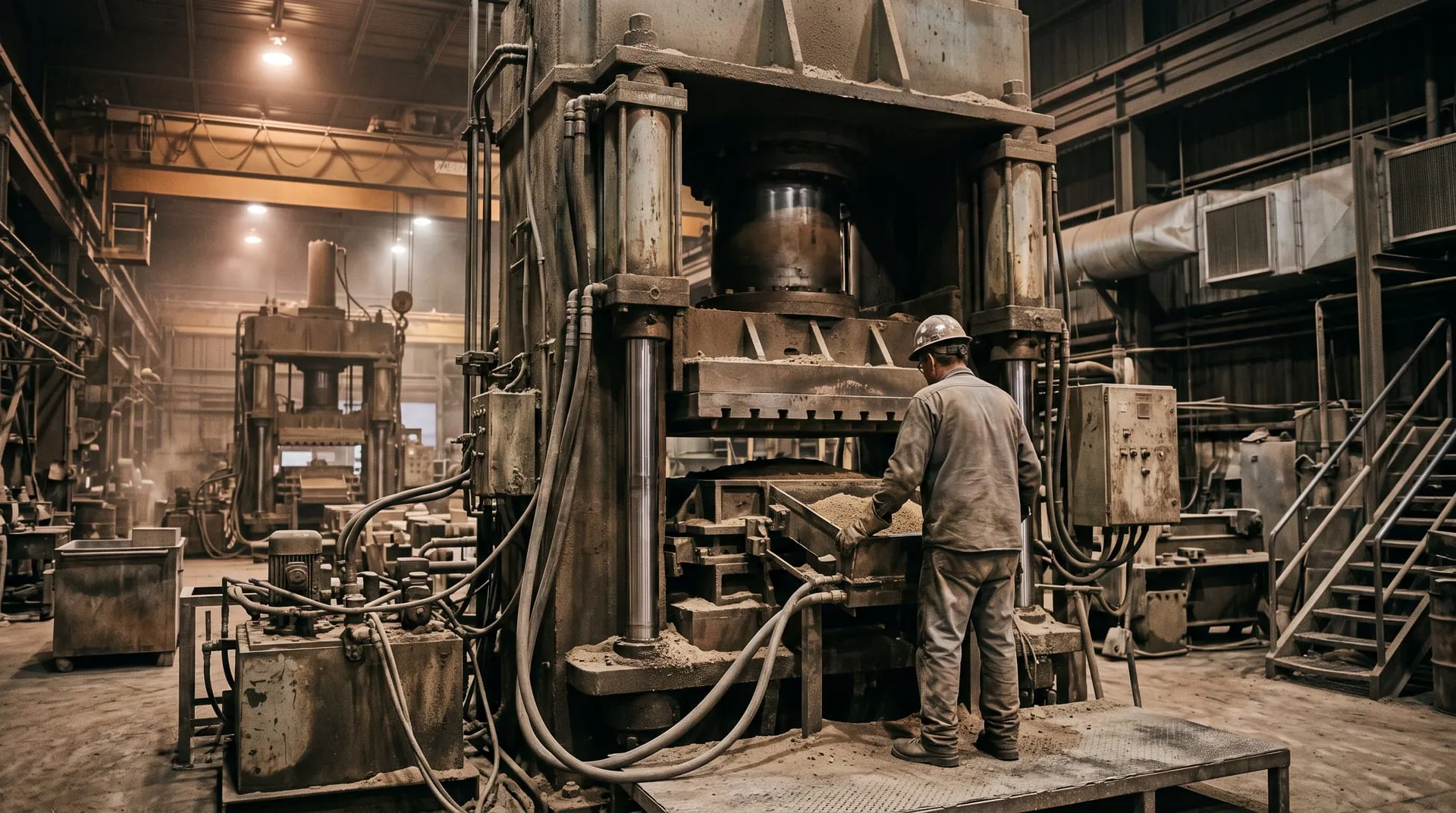
Refractory Press Repair & Servicein Northwest Indiana & Chicagoland
Quick overview
SSI repairs, rebuilds and services refractory brick presses of all makes and models, hydraulic and mechanical, along with the molds, robotic handling systems, crushing and feed systems and material conveyance around them. Our crews work out of Portage, Indiana, and answer the phone 24/7 when a press goes down.
What does refractory press service cover?
| Equipment | What we do | What you get |
|---|---|---|
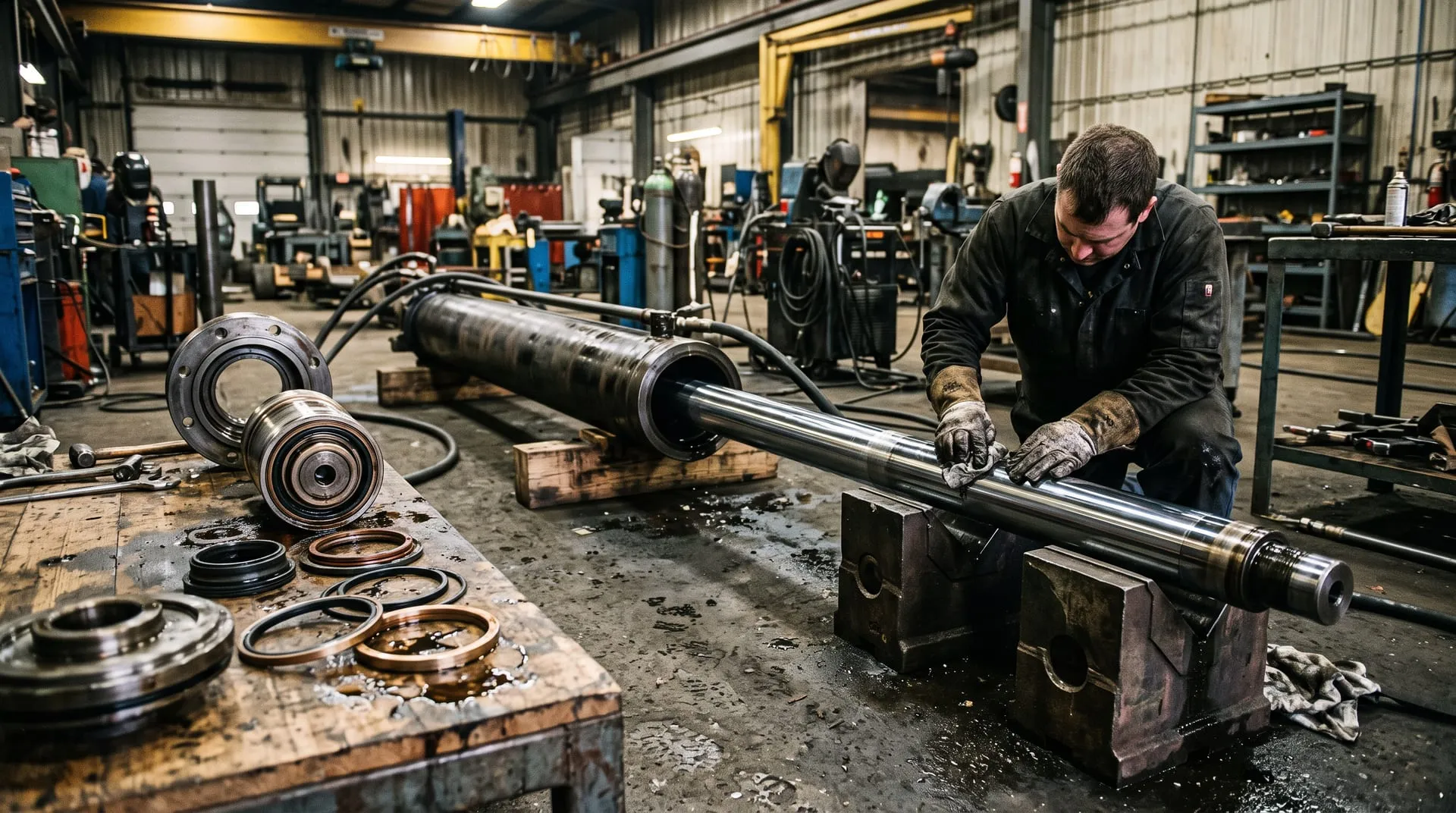
| Hydraulic brick presses | Cylinder, pump, valve and manifold repair. Leak tracing and seal replacement. | Consistent pressing force and fewer leaks on the floor |
| Mechanical brick presses | Crank, toggle, clutch, brake, bearing and gear work. Frame and guide inspection. | A press that cycles smoothly and holds its timing |
| Molds, dies and liners | Mold box, liner and punch repair. Machined replacement parts from our shop. | Better brick dimensions and less scrap |
| Robotic handling and stackers | Mechanical repair, gripper and track work, alignment to the press and kiln car. | Fewer jams and dropped brick at take-off |
| Crushing and feed systems | Crusher, screen, feeder, hopper and conveyor rebuilds. Wear liner replacement. | Steady feed to the press and less unplanned downtime |
| Casting and material handling | Mixers, casting equipment and conveyance for powder, rock, resin and explosive materials. | Equipment serviced with the hazards of the material in mind |
- All makes and modelsHydraulic and mechanical presses, plus the equipment around them.
- Shop plus field crewsWe machine the parts and install them on your floor.
- 24/7 responseOne number, day or night. (219) 386-1506.

How does a refractory press repair work?
Step 1: Assess
Walk the press with your operators. Record symptoms, leaks, noise and cycle behavior.
Step 2: Isolate safely
Lockout/tagout, hydraulic pressure bled off, stored energy blocked, JHA reviewed with the crew.
Step 3: Diagnose
Inspect hydraulics, mechanical drive, mold set and handling equipment to find the root cause.
Step 4: Repair or rebuild
Replace or machine worn parts in our Portage shop. Rebuild assemblies to OEM spec or your plant standard.
Step 5: Align and set up
Align drives, set mold and stacker positions, and check guides and wear surfaces.
Step 6: Test and report
Cycle the press with your team, verify operation and leave a written service report.
Signs your press needs service
When should you call about a refractory press?
Do not wait for a full stop. Call when you see any of these.
- Brick dimensions or density drifting
- Hydraulic leaks or rising oil use
- Hydraulic oil running hot
- Slow cycles or pressure that won't hold
- Knocking, vibration or new noise in the drive
- Cracked or worn mold liners and punches
- Stacker jams or dropped brick at take-off
- Uneven feed from the crusher or hopper
What does refractory press repair involve?
Refractory press repair is the diagnosis, repair and rebuild of the presses that form refractory brick and shapes, plus the equipment that feeds and unloads them. SSI services hydraulic and mechanical brick presses of all makes and models, their molds and hydraulic systems, robotic handling, and the crushing and feed systems upstream.
Refractory is its own world. The mixes are abrasive. The tolerances on finished brick are tight. The presses run hard, and a press that is down stops the whole line behind it. Our crews know that equipment, and we treat the press as one system, not a pile of separate parts.
Which parts of a brick press do we work on?
We work on every major system of a refractory press, from the hydraulic power unit to the mold set to the stacker that takes brick off the table. Most press problems show up in one place but start in another, so we look at the whole machine before we replace anything.
Hydraulic presses
On hydraulic presses, we work on main and auxiliary cylinders, pumps, valves, manifolds, accumulators, hoses and the hydraulic power unit. We trace leaks, replace seals, check oil condition and filtration, and find out why a press is slow, running hot or not holding pressure. For deeper hydraulic diagnosis, see our hydraulic troubleshooting service.
Mechanical presses
On mechanical presses, we work on cranks, toggles, clutches, brakes, gearing, bearings, guides and the frame. A mechanical press that loses timing, knocks or runs hot is usually telling you something about wear in the drive or guides.
Molds, dies and liners
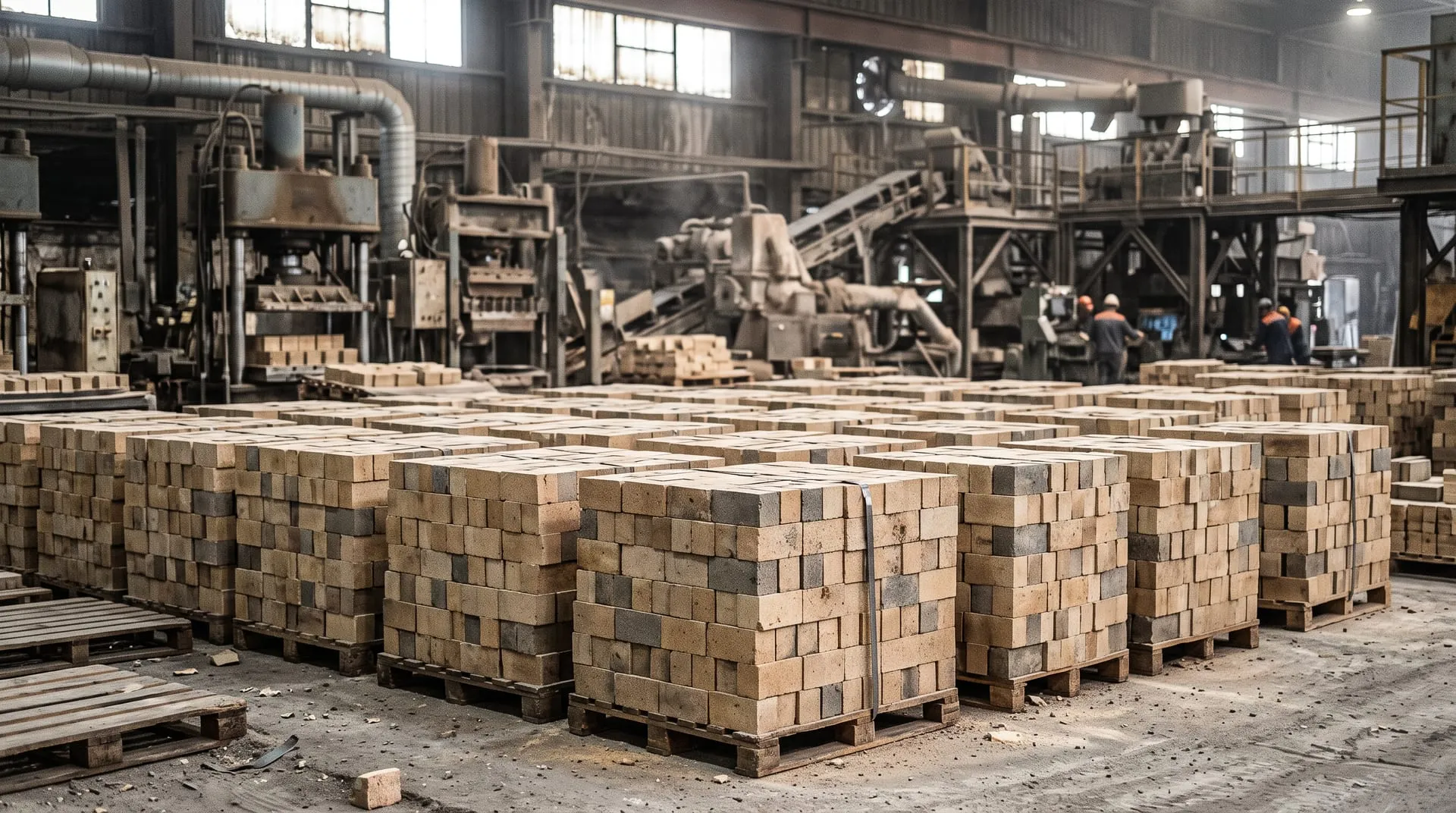
Worn mold liners and punches show up as brick that drifts on dimension or density. We repair mold boxes and tooling, and our machine shop makes replacement parts when originals are worn out or no longer available.
How do you handle robotic stackers, crushers and feed systems?
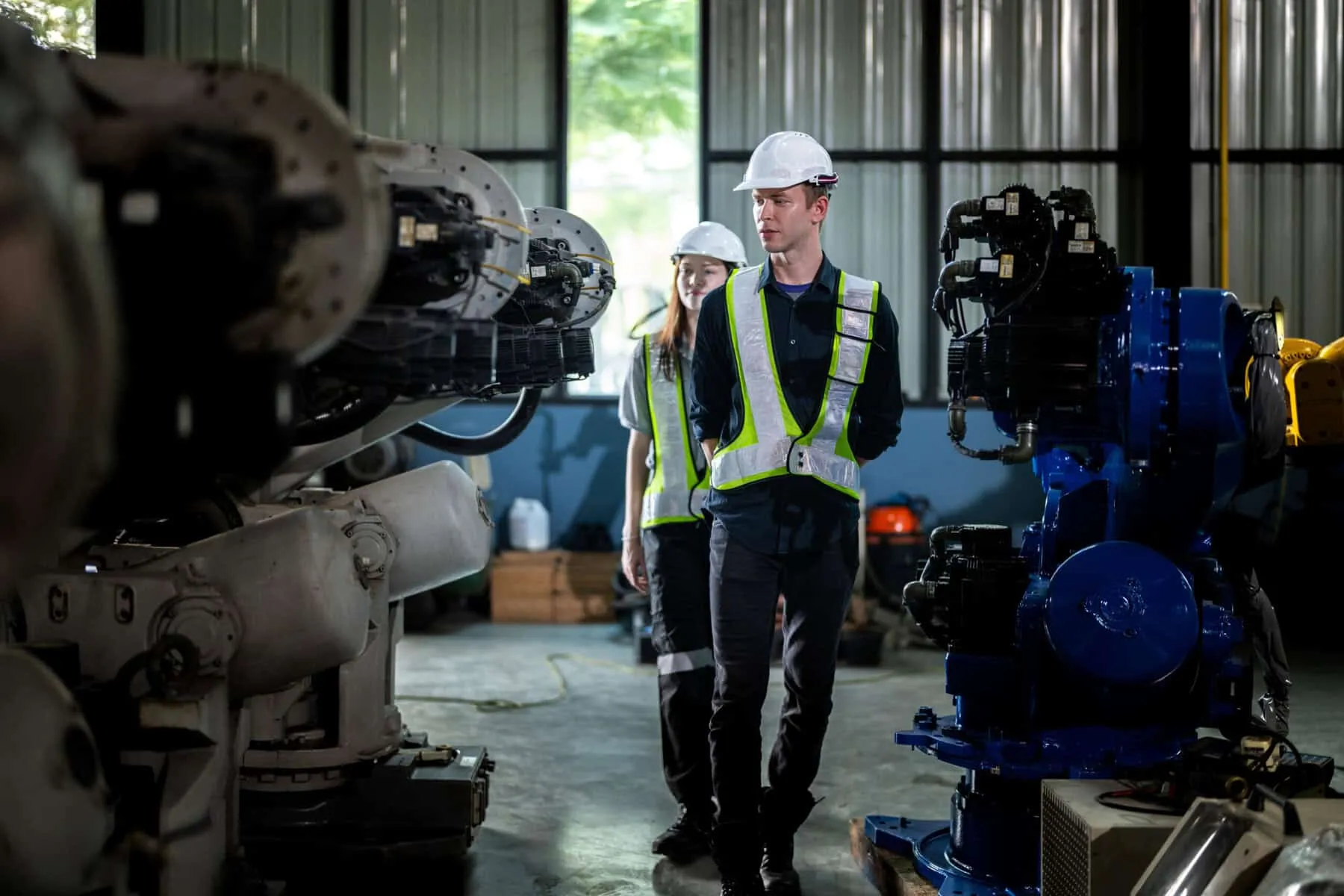
We service the equipment around the press as part of the same job: robotic take-off and stacking, crushers and screens, feeders and hoppers, mixers, casting equipment and conveyors. If the feed is uneven or the stacker is out of position, the press gets blamed. We check the whole chain.
| System | Common problems | What we do |
|---|---|---|
| Robotic handling / stackers | Jams, dropped brick, position drift | Mechanical repair, alignment to press and kiln car |
| Crushers and screens | Wear, vibration, inconsistent sizing | Rebuilds, liner replacement, drive alignment |
| Feeders and hoppers | Bridging, uneven feed, worn liners | Liner and gate repair, drive and conveyor work |
| Casting equipment | Leaks, wear, drive issues | Repair, rebuild and pipe modifications |
| Material conveyance | Belt tracking, worn rollers, spillage | Conveyor system repair and rebuilds |
Our crews have years of experience with powder, rock, resin and explosive material handling. On combustible and explosive material jobs, we plan isolation, dust control, hot work and cleanup with your safety team first. Every job starts with a job hazard analysis (JHA) and lockout/tagout. No shortcuts, no excuses.
When is a press rebuild better than preventive maintenance?
Preventive maintenance keeps a sound press sound. A rebuild makes sense when wear has spread across the hydraulics, guides and drive, and repairs keep coming back. We inspect the press, show you what we found and lay out both paths so you can decide with real information.
- Preventive maintenance: scheduled checks of oil, filters, hoses, seals, guides, mold condition, lubrication and alignment. Built around your production schedule. See preventive maintenance.
- Targeted repair: one failed component, fixed and verified, with the rest of the press checked while it is open.
- Full rebuild: teardown, inspection, machining and replacement of worn assemblies, then reassembly, alignment and testing. See equipment rebuilds.
For a plant-floor checklist, read our refractory brick press maintenance checklist.
What happens when a press goes down?
Call (219) 386-1506, day or night. We ask what the press is doing, what it is making and what has been checked. Then we tell you how fast a crew can get there and what we will bring. If a part is not on the shelf, our shop can machine it.
We serve refractory plants across Northwest Indiana and Chicagoland, including Joliet, Kankakee and the Plymouth, Indiana area, and we support customers in Arkansas. See how we work across the whole refractory industry. When downtime isn’t an option, we answer.
Refractory Press Repair & Service across the Region
Tell us about the equipment
Send the make, model and what you're seeing. A crew lead will call you back with next steps.
Start a requestCertified & prequalified
 ISNetworld
member contractor Avetta
prequalified AWS certified
welders
Refractory Press Repair & Service FAQs
What types of refractory presses do you service?
We service hydraulic and mechanical refractory brick presses of all makes and models. That includes the press itself, the mold set, the hydraulic power unit and the supporting robotic handling and stacking equipment. We also work on the crushing, feed and conveyance systems that supply the press.
Can you repair a refractory press during an emergency breakdown?
Yes. Call (219) 386-1506 any time, day or night. We will ask what the press is doing, what it is making and what has already been checked. Then we tell you how fast a crew can get there and what to bring. Our machine shop can make parts that are not on the shelf.
Should I rebuild my brick press or keep doing repairs?
Repair makes sense when the problem is one component and the rest of the press is sound. A rebuild makes sense when wear has spread through the hydraulics, guides and drive, and breakdowns keep coming back. We inspect the press, show you what we find and give you both options.
Do you repair refractory press molds and dies?
Yes. We repair mold boxes, liners, punches and related tooling, and we machine replacement parts in our Portage shop when originals are worn out or no longer available. Worn mold surfaces show up as dimension and density problems in the brick, so we check them on most press calls.
Do you work on robotic brick handling and stacking systems?
Yes. We service the mechanical side of robotic take-off and stacking equipment, including grippers, tracks, drives and alignment to the press and kiln car. When the problem is on the controls side, our team also handles Allen-Bradley controls integration, so one contractor can chase it from the gripper to the panel.
Can you service equipment that handles explosive or combustible materials?
Yes. We have experience with powder, rock, resin and explosive material handling. On those jobs we plan hot work, dust control, isolation and cleanup with your safety team before any tools come out. Every job starts with a job hazard analysis (JHA) and lockout/tagout.
What preventive maintenance does a refractory brick press need?
Most plants check hydraulic oil condition, filters, hoses and seals on a set schedule, along with guide wear, mold condition, lubrication and drive alignment. The right interval depends on your press, your mix and your run hours. We can build a press PM plan around your production schedule.
Where do you provide refractory press service?
Our shop is in Portage, Indiana. We serve refractory and steel plants across Northwest Indiana and Chicagoland, including Joliet and Kankakee in Illinois and the Plymouth, Indiana area. We also support customers in Arkansas. Call us to talk about travel for work outside the Region.
Do you also service crushers and feed systems for refractory plants?
Yes. Our crews have worked on many types of crushing systems, their feed systems and the conveyors that carry material to the press. We rebuild crushers, feeders, screens and hoppers, replace wear liners and align the drives, so the press gets a steady, consistent feed.
Related services
All services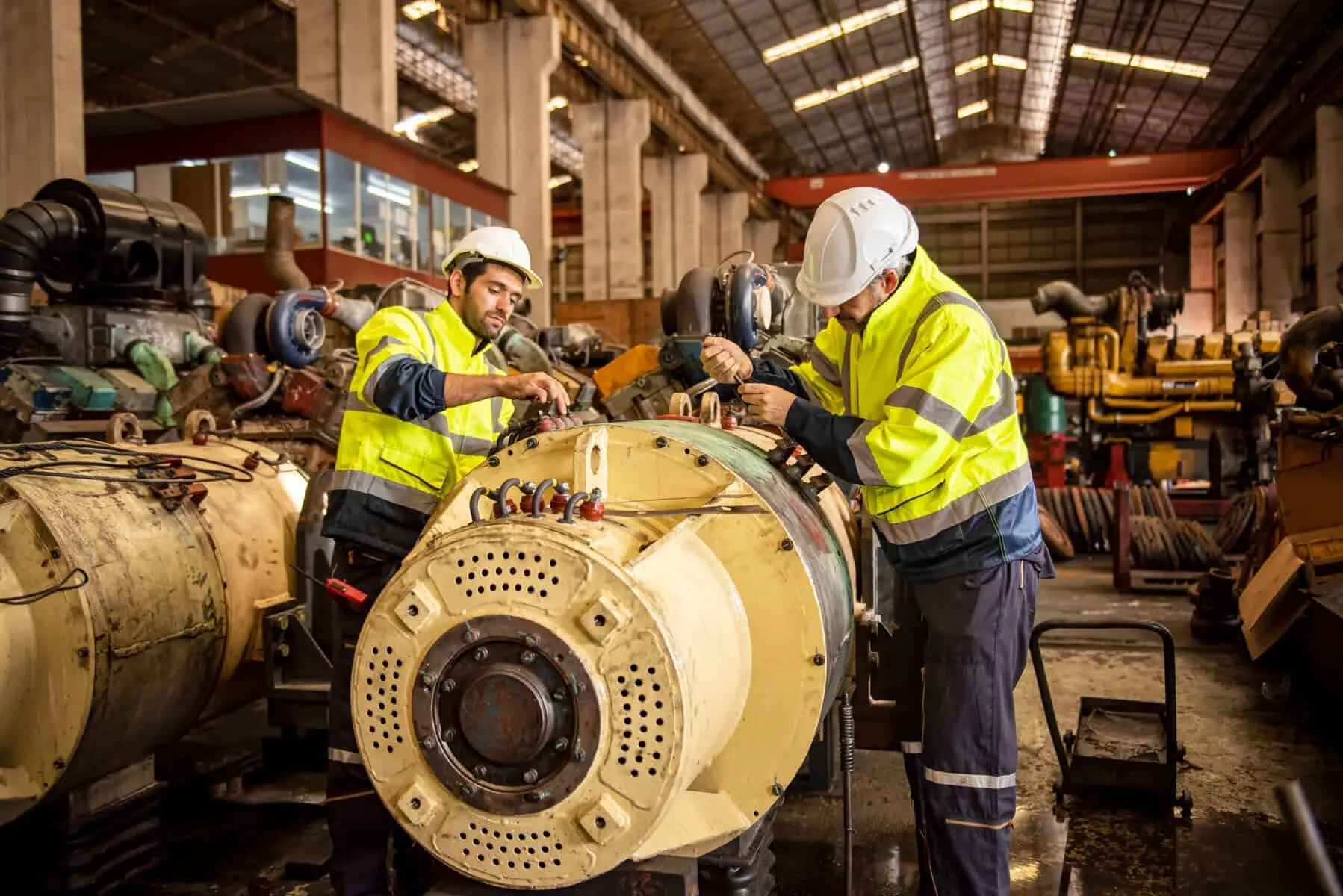
Equipment Rebuilds
Gearboxes, pumps, fans and presses rebuilt to spec.
Hydraulic Troubleshooting & Repair
Pumps, valves, cylinders, hoses, leaks and contamination.
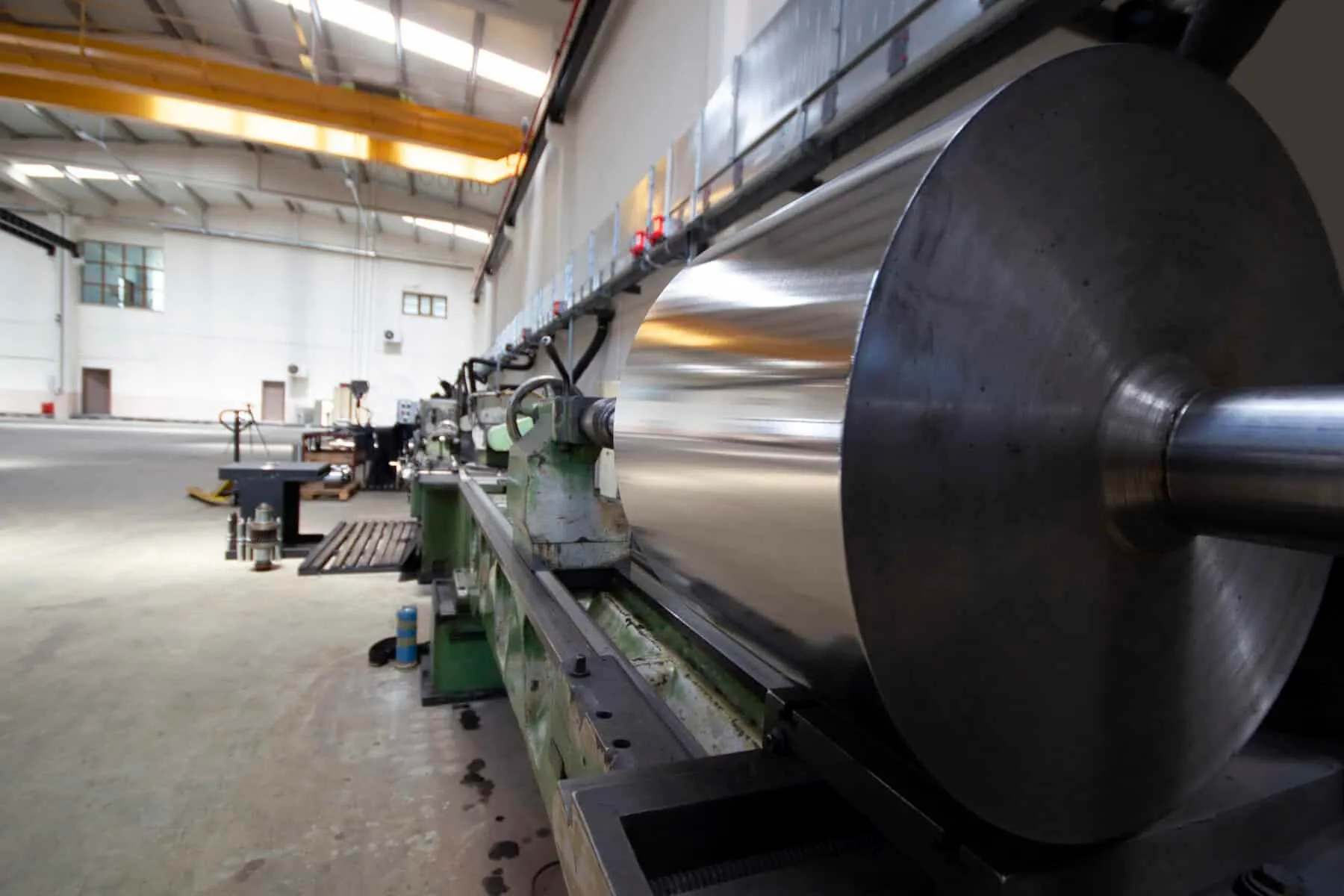
Machine Shop Services
Custom machining, replacement parts and worn-part repair.
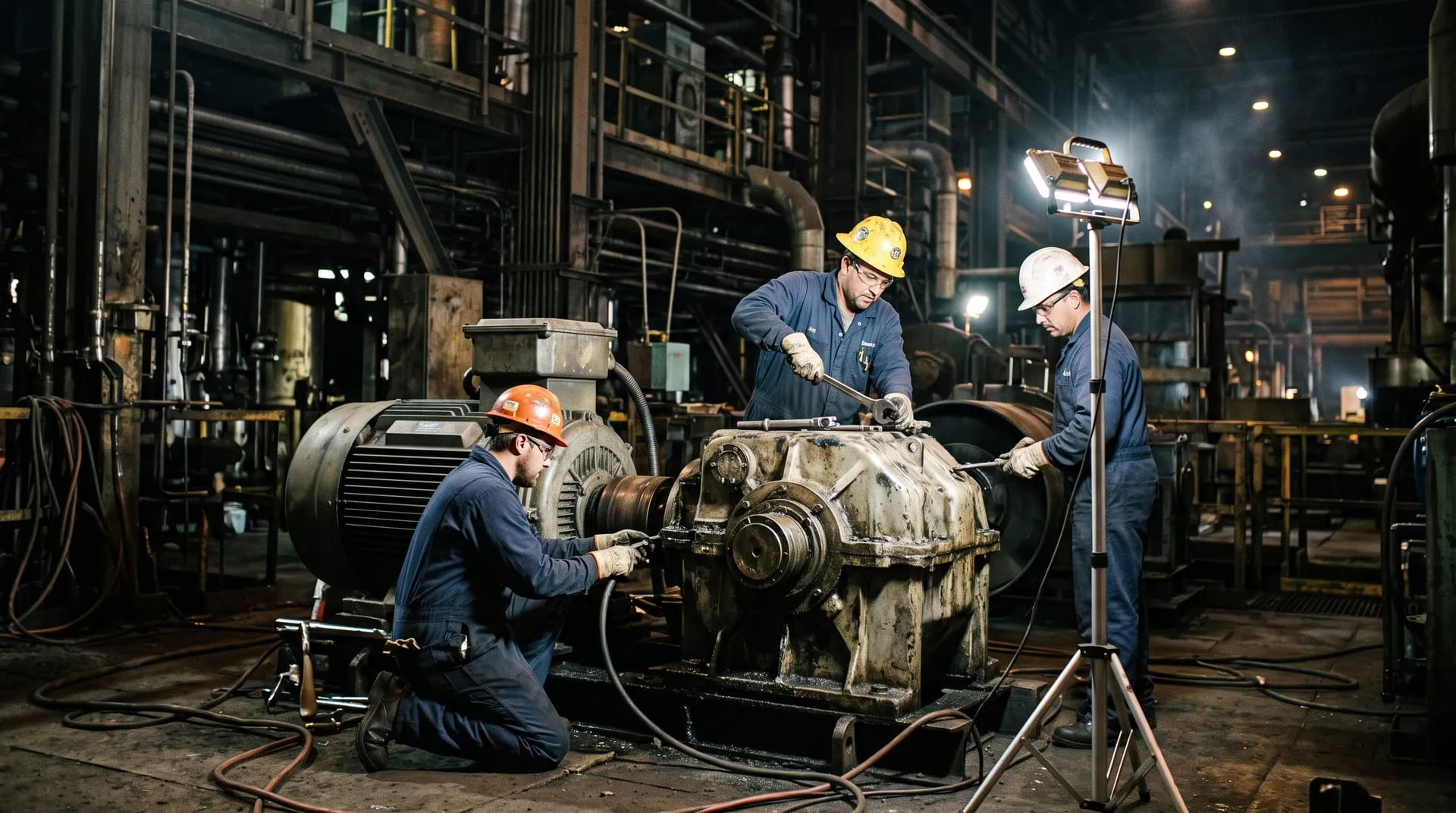
24/7 Emergency Repair
Line down? Call (219) 386-1506, day or night.

Request a refractory press repair & service quote
Tell us what's running rough. We'll tell you how fast we can be there.