Hydraulic Troubleshooting & Repairin Northwest Indiana
Quick overview
SSI troubleshoots and repairs industrial hydraulic systems across Northwest Indiana and Chicagoland: pumps, valves, cylinders, hoses, power units and the contamination and leaks that wear them out. Our crews work on hydraulic presses, including refractory brick presses, plus mill and process equipment, in the field or in our Portage machine shop.
What does hydraulic troubleshooting and repair include?
| Component | What we do | What you get |
|---|---|---|
| Pumps & power units | Diagnose flow and pressure loss, replace or rebuild pumps, service reservoirs and coolers | Pressure and flow back to spec |
| Valves & manifolds | Check relief, directional and proportional valves, clean or replace, reset relief pressure to spec | Smooth, predictable motion |
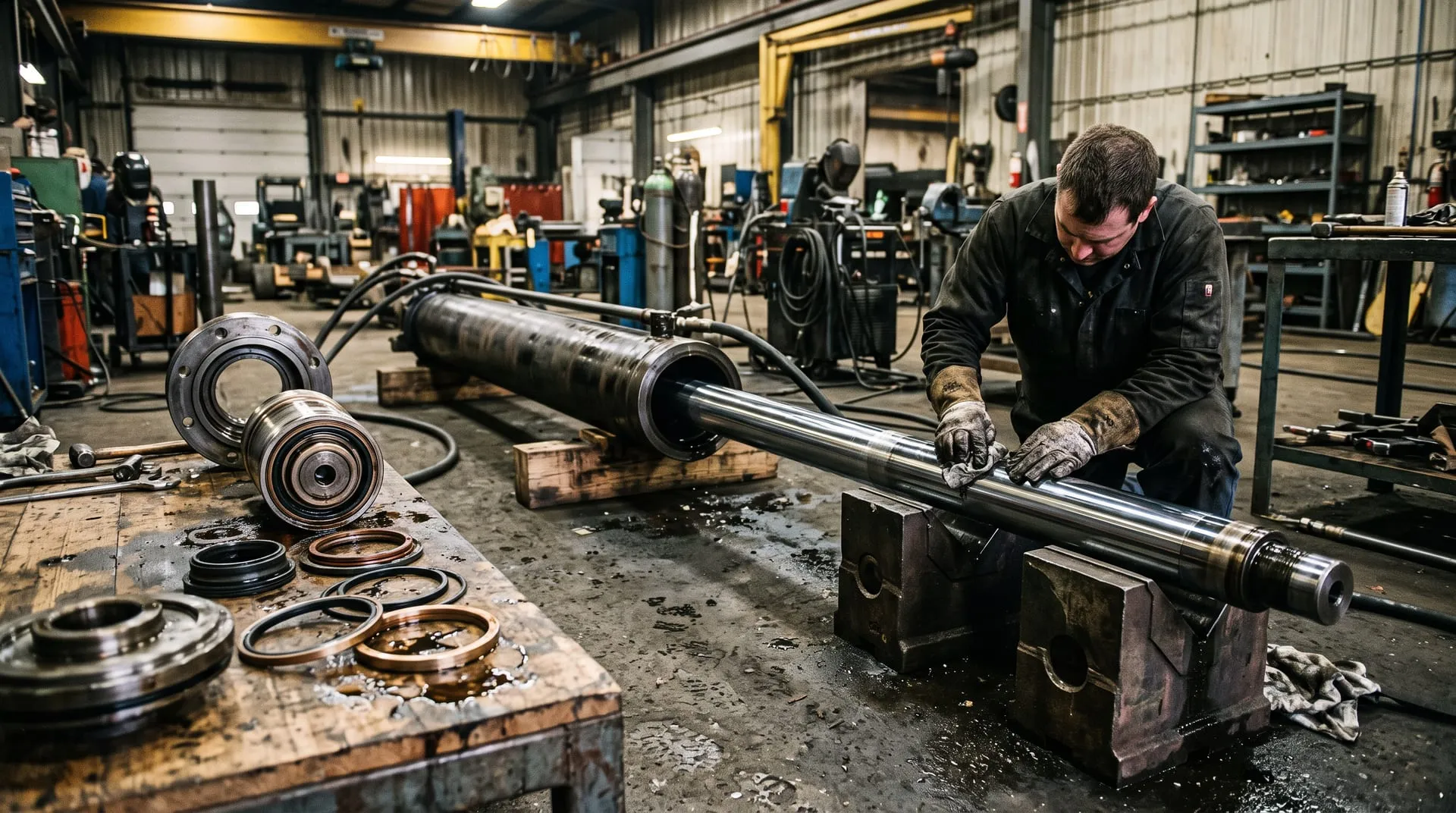
| Cylinders | Remove, reseal, repair rods and glands, machine parts in our shop | No drift, no bypass, no rod leaks |
| Hoses, tubing & fittings | Find leaks, replace hoses, rerun and support tubing | A dry system and fewer surprise failures |
| Fluid & filtration | Filter changes, contamination checks, flushing after a failure | Longer component life |
- Root causeWe find why it failed, not just what failed.
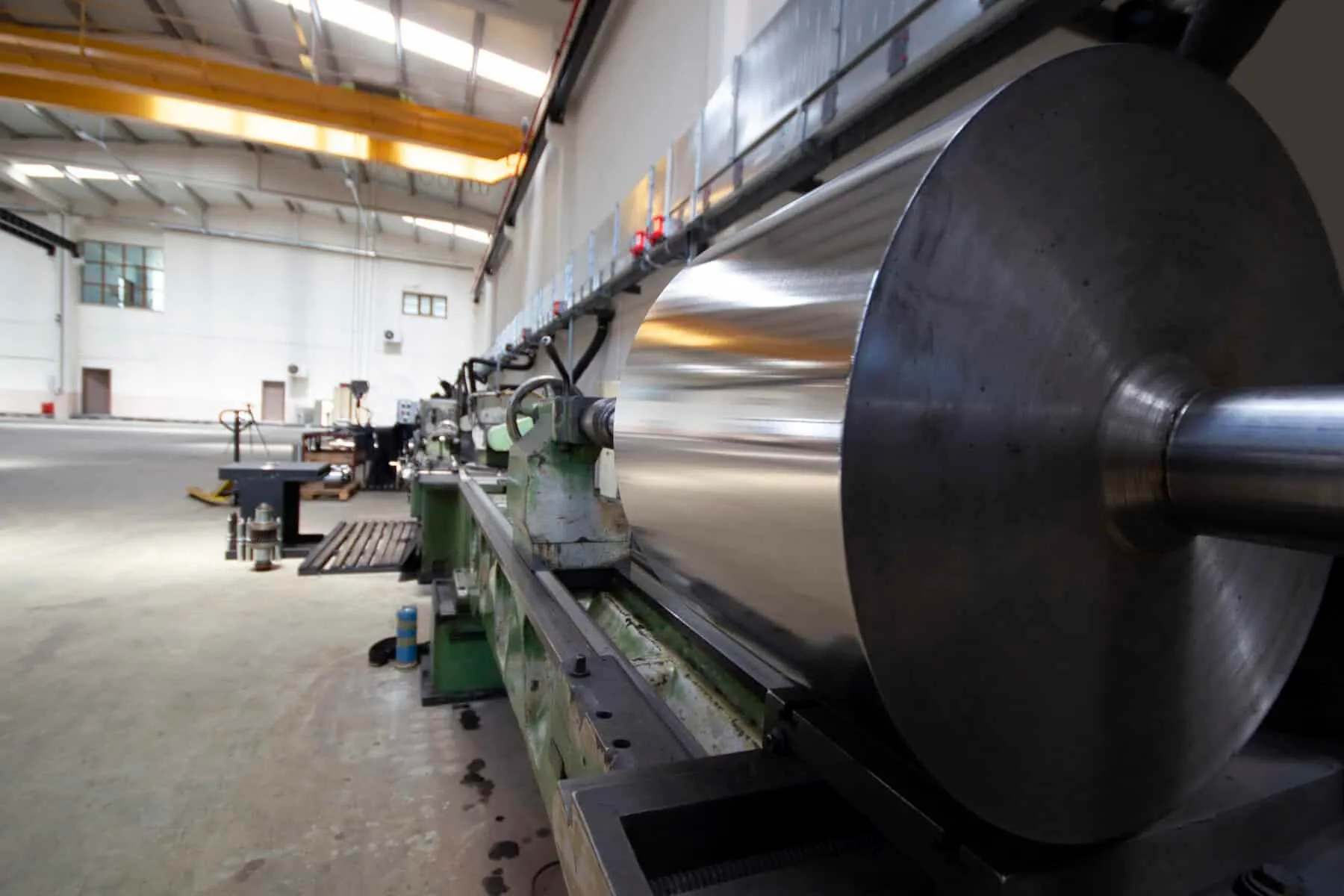
- Machine shopRods, glands and parts made in Portage.
- 24/7Call (219) 386-1506 any time.

How does a hydraulic troubleshooting job work?
Step 1: Listen & look
Get the symptoms from operators. Check for leaks, heat, noise and fluid condition.
Step 2: Make it safe
Lock out, block or lower loads, and bleed stored pressure before anything is opened.
Step 3: Test
Measure pressure and flow at key points to isolate the pump, valve or cylinder at fault.
Step 4: Repair
Rebuild or replace the failed part. Machine components in our shop when needed.
Step 5: Clean, test & document
Address contamination, cycle the system and record what was found and fixed.
Signs of hydraulic trouble
When does a hydraulic system need troubleshooting?
Hydraulic problems usually start small. Call us when you see any of these.
- Slow or uneven cylinder movement
- Pressure won't build or holds low
- Oil running hot
- Pump whine, knocking or chatter
- Leaks at hoses, fittings or rod seals
- Cylinders drifting under load
- Dark, milky or foamy fluid
What does SSI do for hydraulic systems?
We troubleshoot and repair industrial hydraulic systems: pumps, power units, valves, cylinders, hoses and fittings. We also deal with the contamination and heat that wear them out. Our crews work on presses, mill equipment and process machinery in the field. Our Portage machine shop makes the parts that aren’t on a shelf.
Hydraulics are unforgiving. A small leak, a little dirt or a relief valve set wrong can stop a press for a shift. Good troubleshooting finds the actual fault, so you replace one part instead of three.
How do you troubleshoot a hydraulic system?
We troubleshoot by testing, not guessing. Pressure and flow readings at the pump, the valves and the actuator tell us where the energy is going. That splits the system into sections and points to the component at fault before anything gets pulled.
| Symptom | Where we look first |
|---|---|
| Slow or weak movement | Pump output, relief setting, internal bypass |
| Pressure won’t build | Relief valve, pump wear, suction problems |
| Hot oil | Internal leakage, cooler, fluid level |
| Noisy pump | Cavitation, aeration, suction strainer, wear |
| Cylinder drift | Piston seals, counterbalance or check valves |
| Erratic motion | Air in the system, sticking valves, contamination |
Safety comes first on every hydraulic job. Stored pressure and suspended loads can hurt people. Before anything is opened, we lock out the machine and block or lower loads. Then we bleed off pressure. Every job starts with a JHA.
Pumps, valves and cylinders
Pumps and power units
We diagnose worn pumps, replace or rebuild them, and service the reservoir, cooler and suction side. Our equipment rebuild crews handle the drive motor and coupling, and we laser-align the pump to the motor on reinstall.
Valves and manifolds
Sticking directional valves and drifting relief settings cause a lot of erratic behavior. We clean, replace and reset valves to the OEM setting or your plant standard. Then we check that the machine cycles the way it should.
Cylinders
We reseal cylinders, repair rods and glands, and replace damaged parts. When a rod is scored or a gland is out of production, our machine shop can make the part.
How do you stop the same failure from coming back?
Most repeat hydraulic failures trace back to contamination, heat or a mechanical cause outside the hydraulics. After a repair, we look at those causes too:
- Contamination. Filter condition, breathers, and flushing after a pump or cylinder failure.
- Heat. Cooler performance, fluid level and internal leakage.
- Hoses and lines. Routing, clamping and chafe points that cause repeat leaks.
- Mechanical load. Misalignment, worn guides or binding that make the hydraulics work harder.
Should you repair or replace a hydraulic component?
Repair usually makes sense when the housing, barrel or body is sound and the wear is in seals, rods or internal parts. Replacement makes sense when the part is cracked, badly scored or no longer worth the labor. We’ll tell you which one, and why, before any work starts.
| Repair usually wins when | Replace usually wins when |
|---|---|
| Barrel and body are in good shape | Barrel is scored or out of round |
| Replacement lead time is long | A matching new unit is on the shelf |
| Parts can be made in our shop | Repeated rebuilds keep failing |
Hydraulic presses and refractory plants
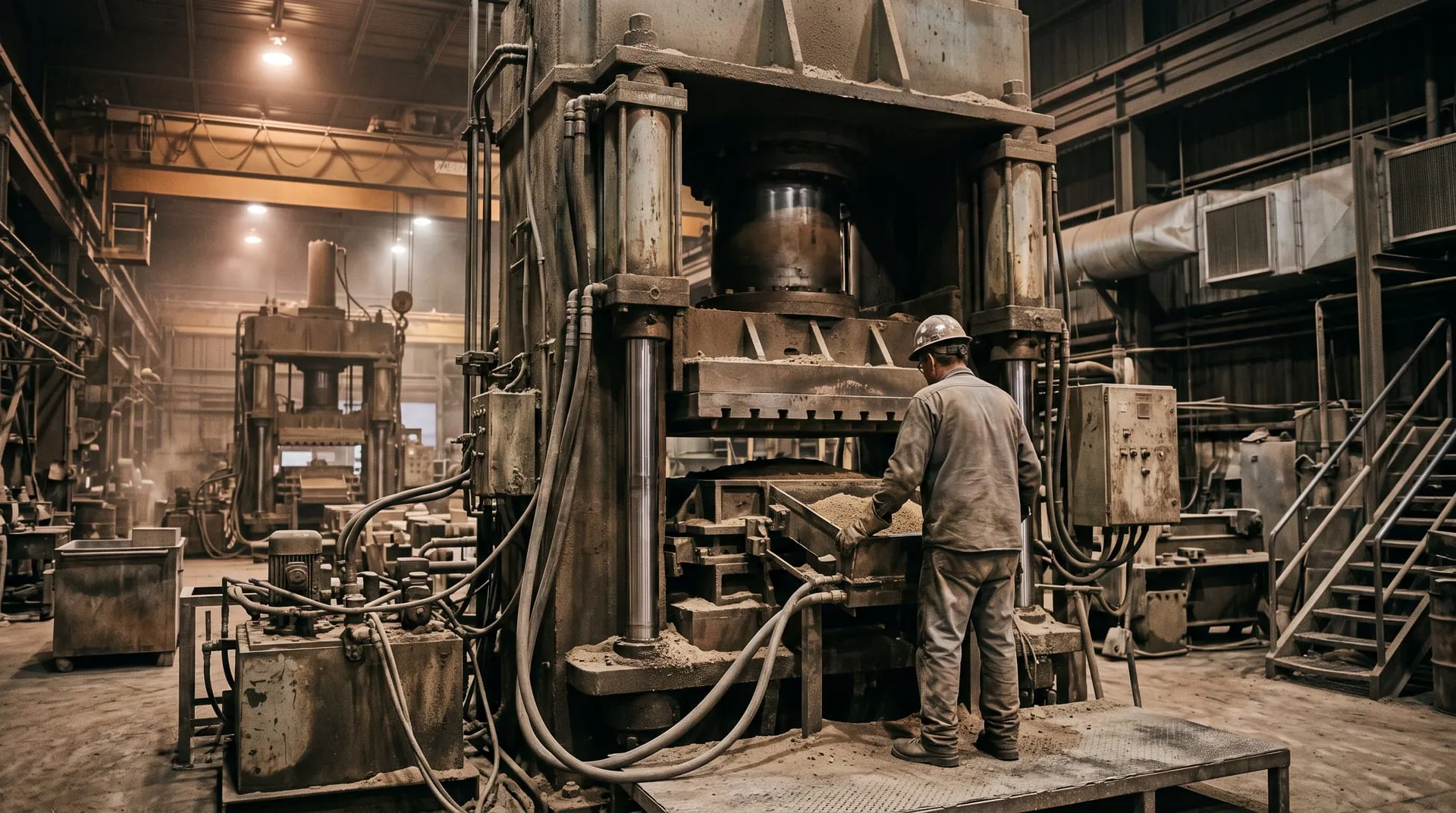
Refractory brick presses are some of the hardest-working hydraulic machines in the Region. We service all makes and models of refractory presses and their supporting handling and feed systems. See our refractory press repair page and the refractory industry page for the full scope.
We also support steel mills, paper mills and process plants across Northwest Indiana and Chicagoland. If a machine is down now, our emergency repair crews answer 24/7. Done right the first time.
Hydraulic Troubleshooting & Repair across the Region
Tell us about the equipment
Send the make, model and what you're seeing. A crew lead will call you back with next steps.
Start a requestCertified & prequalified
 ISNetworld
member contractor Avetta
prequalified AWS certified
welders
Hydraulic Troubleshooting & Repair FAQs
What are the most common causes of hydraulic system failure?
Contamination is the most common cause. Dirt, water and air in the fluid wear pumps, score cylinders and stick valves. Other common causes are overheating, worn seals, incorrect relief settings and hoses past their service life. Finding which one is behind a failure keeps the new parts from failing the same way.
Why is my hydraulic cylinder moving slowly?
Slow cylinders usually mean the system isn't delivering enough flow or pressure to that cylinder. Common causes are a worn pump, a relief valve opening early, a sticking directional valve, internal bypass past the piston seals, or a restriction such as a clogged filter. Pressure and flow testing tells us which one.
Do you repair hydraulic cylinders?
Yes. We pull cylinders, replace seals, repair or replace damaged rods and glands, and machine parts in our Portage shop when replacements aren't available or have long lead times. Large press cylinders can be repaired in the field or brought into the shop depending on size and access.
Do you work on hydraulic presses?
Yes. Hydraulic presses are a large part of our work, especially refractory brick presses. We service all makes and models, including the pumps, valves, cylinders and power units that drive them, plus the supporting robotic handling and feed systems around the press.
Why does my hydraulic oil run hot?
Hot oil means energy is being wasted somewhere. Common causes are internal leakage in a worn pump or cylinder, a relief valve bypassing, a fouled or undersized cooler, low fluid level or the wrong fluid. Heat also breaks down fluid and seals faster, so it's worth tracking down early.
How do you handle contamination after a pump failure?
A failed pump can send debris through the whole system. After we replace it, we change filters and recommend flushing or cleaning the reservoir and lines as the situation calls for, so the new pump isn't damaged by what the old one left behind. Your fluid supplier can analyze samples if you want lab results.
Can you find a hydraulic leak that keeps coming back?
Yes. Repeat leaks usually have a cause behind them: vibration loosening fittings, hoses rubbing on steel, the wrong fitting type, or pressure spikes from a valve problem. We trace the leak, fix the cause, and support or reroute lines where they're taking a beating.
Do you offer emergency hydraulic repair?
Yes. If a press or machine is down on a hydraulic failure, call (219) 386-1506 any time, day or night. We will ask what you're seeing and tell you how fast a crew can get there. When a part can't be sourced quickly, our machine shop can often make it.
Related services
All servicesRefractory Press Repair & Service
Brick presses, molds, stackers and feed systems. All makes.
Equipment Rebuilds
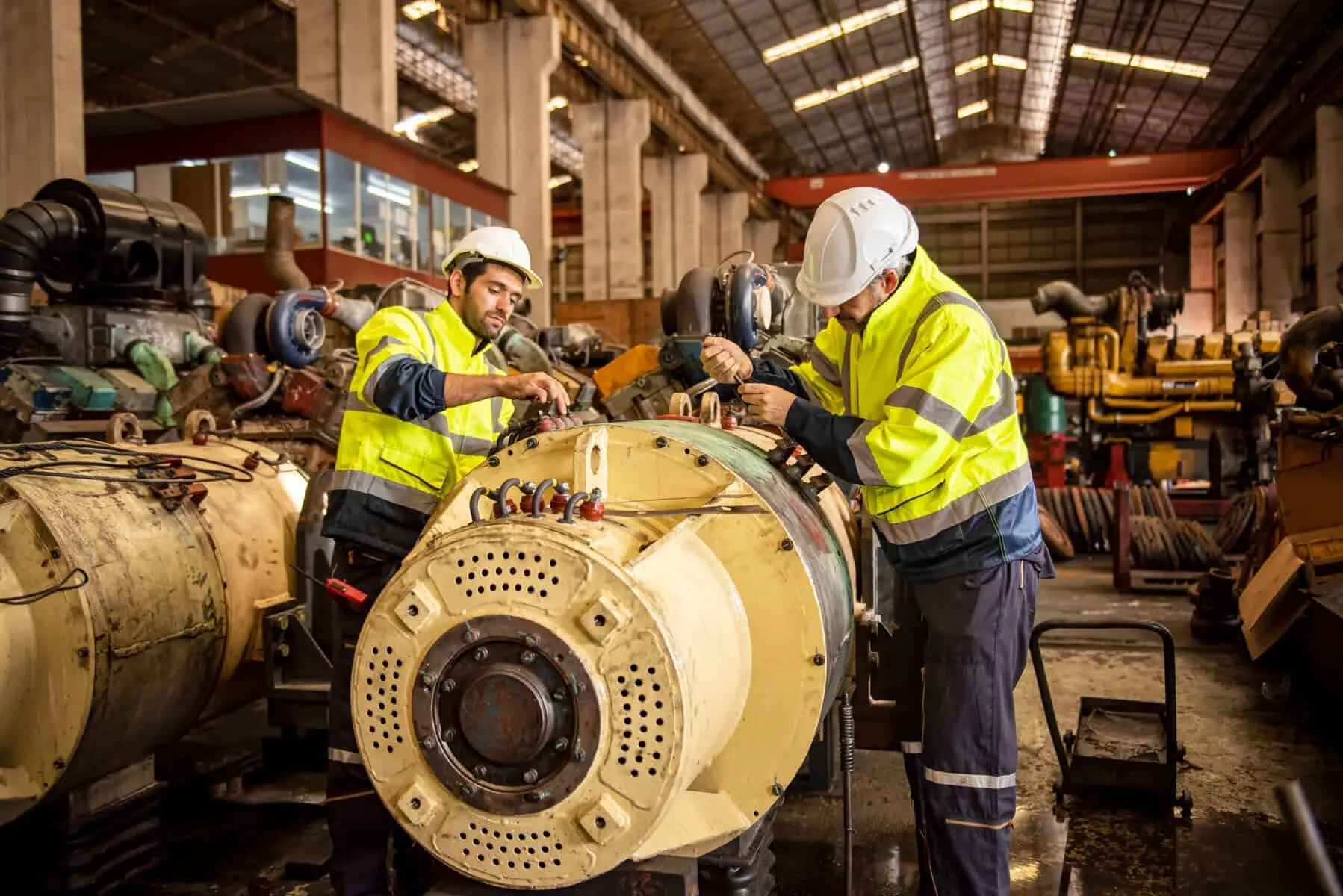
Gearboxes, pumps, fans and presses rebuilt to spec.
Machine Shop Services
Custom machining, replacement parts and worn-part repair.
24/7 Emergency Repair
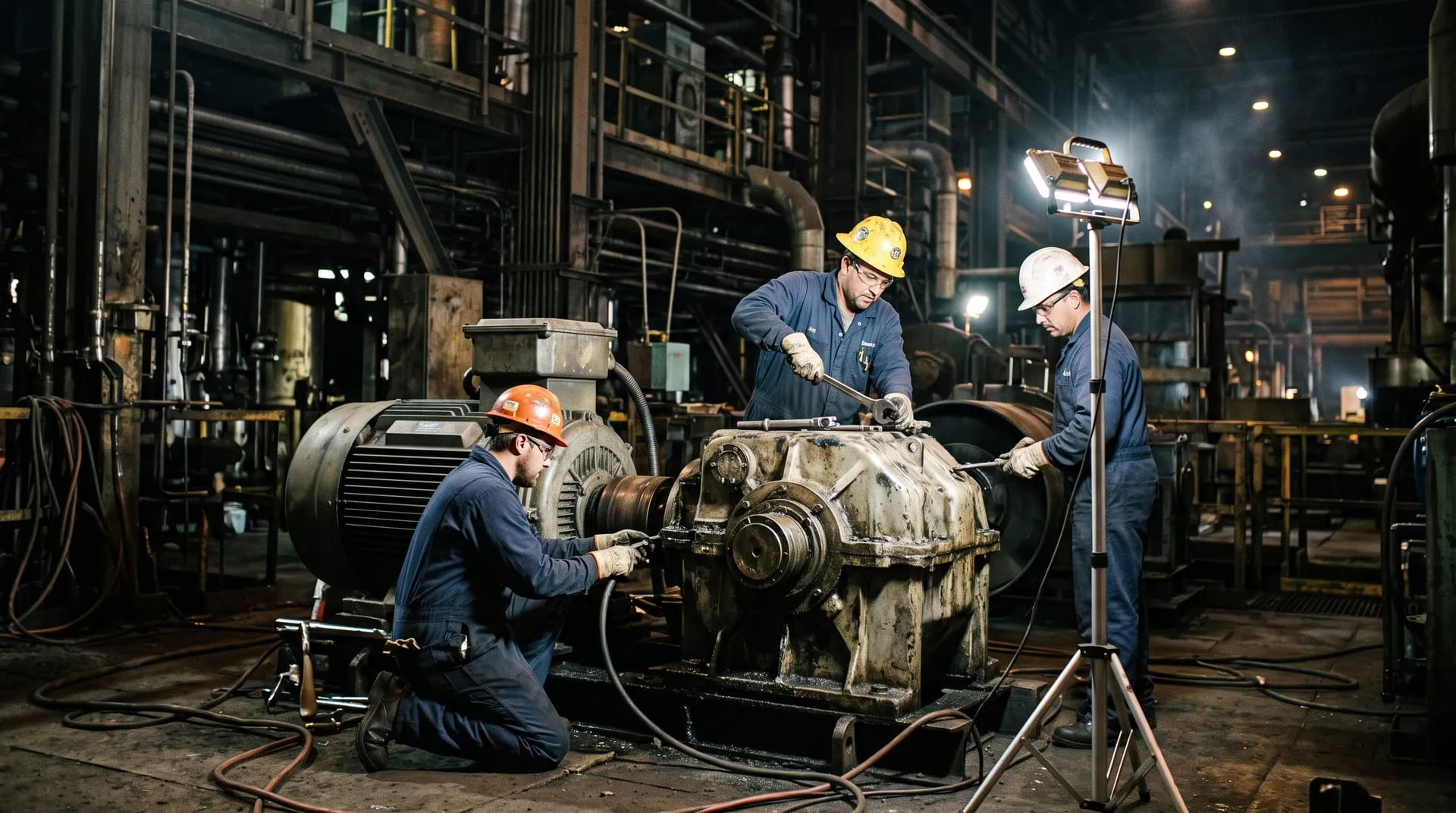
Line down? Call (219) 386-1506, day or night.

Request a hydraulic troubleshooting & repair quote
Tell us what's running rough. We'll tell you how fast we can be there.