
ResourcesAnswers from the field
Plain answers to the questions maintenance and reliability teams ask us most.
Guides & articles
Guide
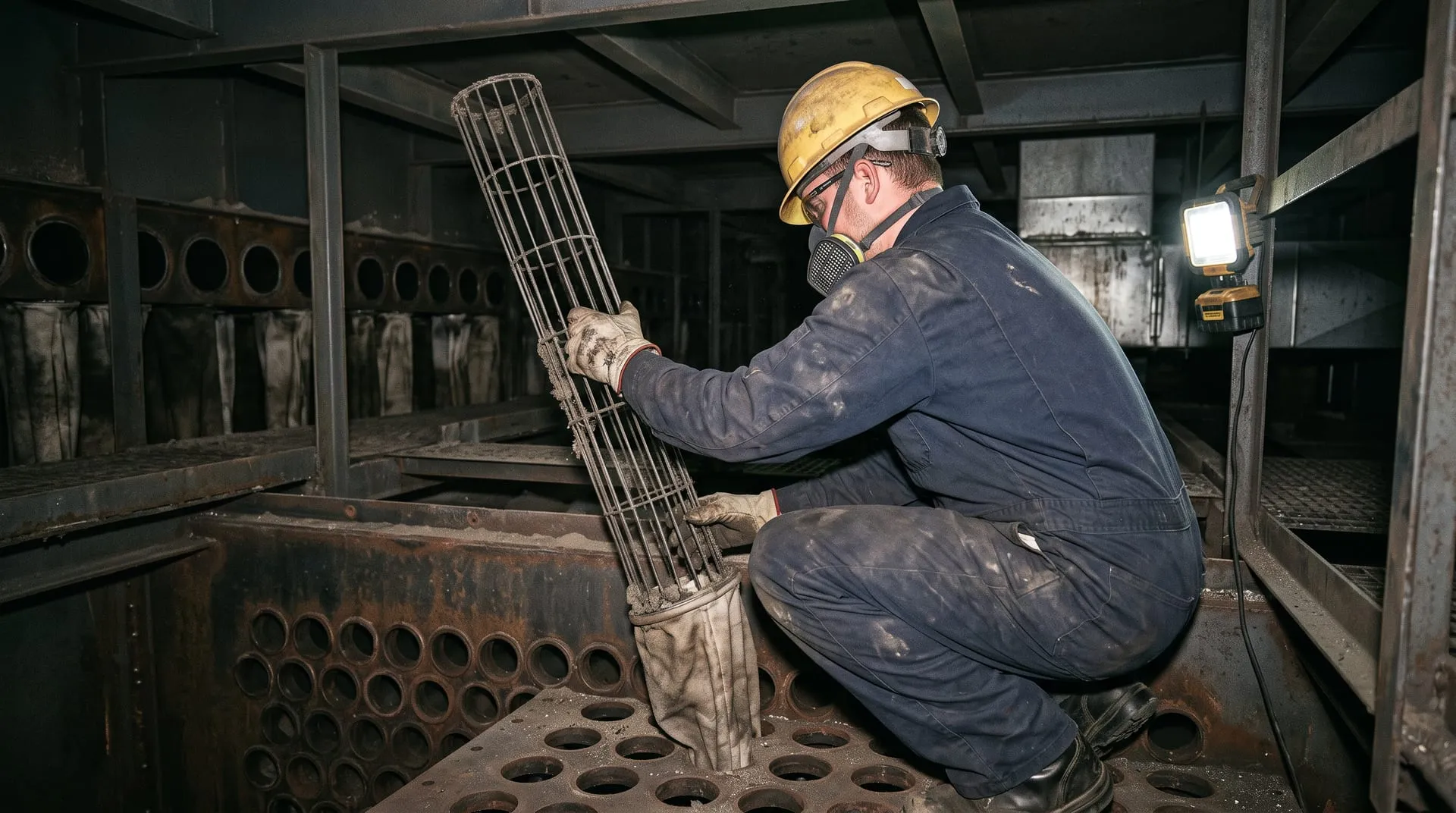
Baghouse Maintenance Checklist for Dust Collection Compliance
Keep a baghouse in compliance by keeping it performing the way your air permit assumes. Track differential pressure daily, confirm pulse cleaning works, check for visible emissions and leaks, keep hoppers and airlocks discharging, and inspect bags, cages and seals on a schedule. Confirm your specific monitoring and recordkeeping requirements with your environmental team.
Guide
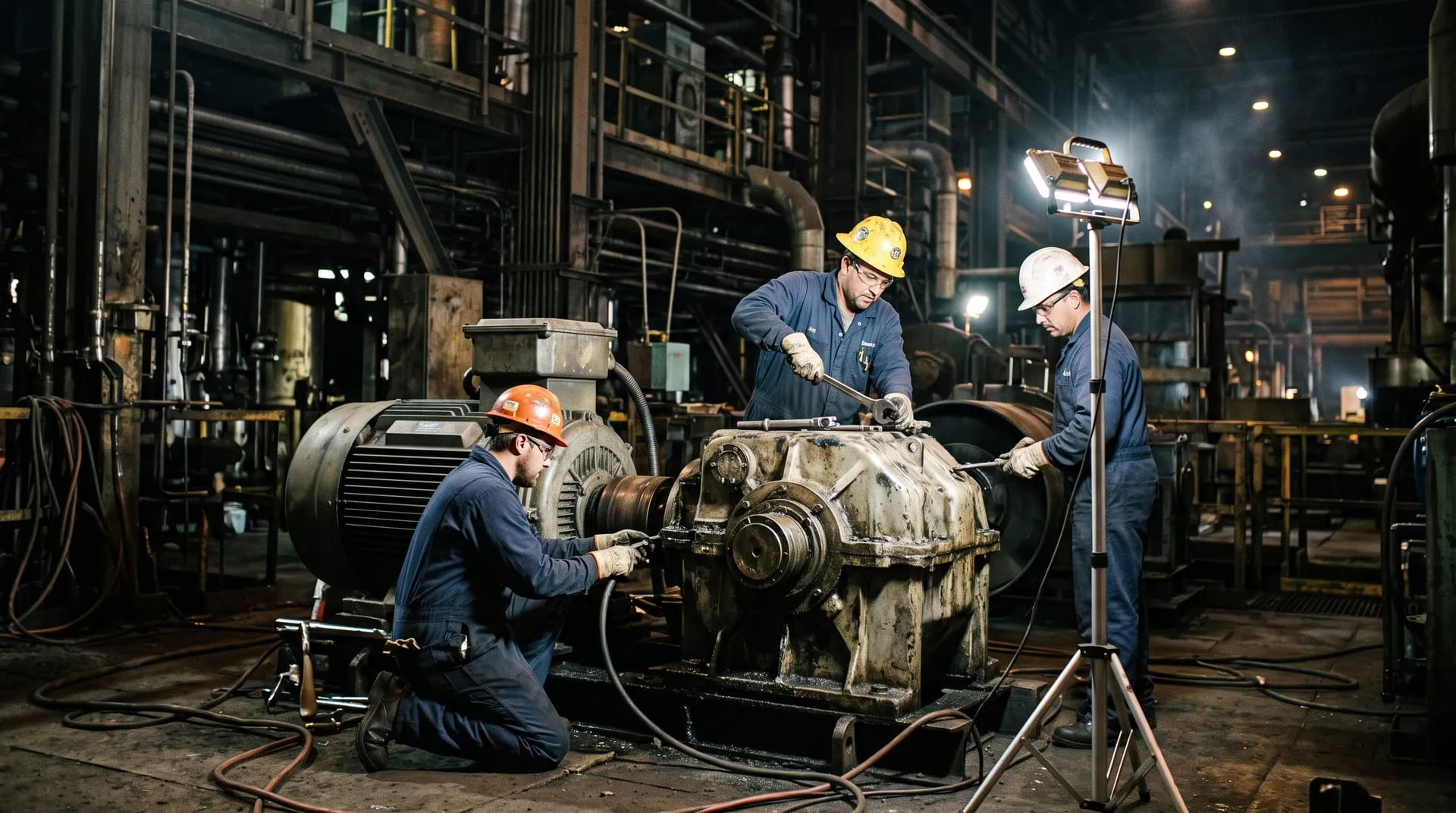
Emergency Breakdown: What to Do in the First Hour
In the first hour after a breakdown, make the equipment safe first. Stop it, apply lockout/tagout, release stored energy and secure the area. Then gather the facts, including what failed, when, what it was doing and the make and model. Take photos, preserve evidence, and call a repair crew with that information ready.
Guide
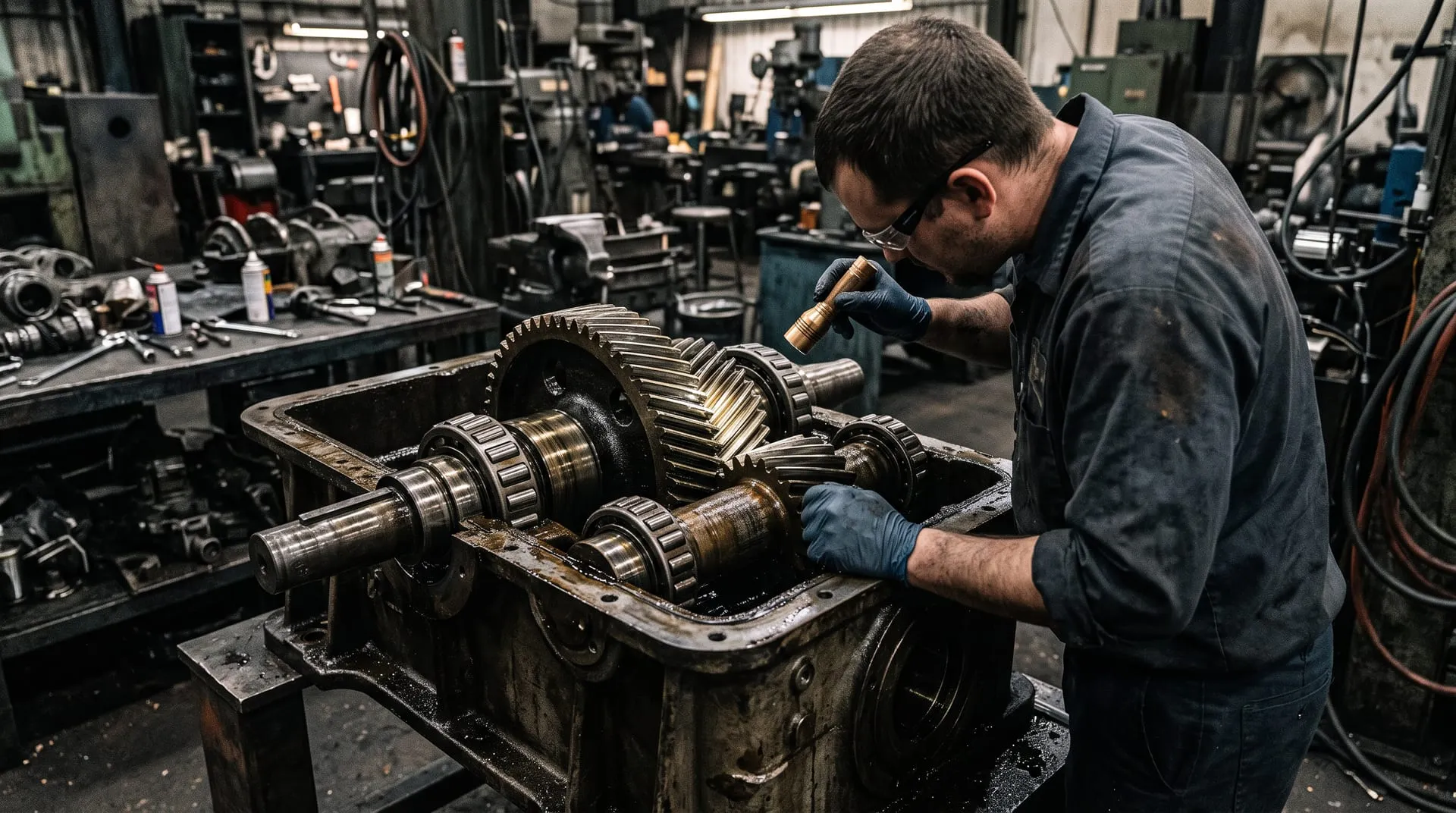
Gearbox Rebuild vs. Replacement: How to Decide
Rebuild a gearbox when the housing is sound, the design still fits the duty and parts can be sourced or machined. Replace it when the housing is cracked or distorted, the unit is undersized for the load, or a rebuild would cost close to a new unit. Lead time often decides it, because rebuilds usually beat new-unit deliveries.
Guide
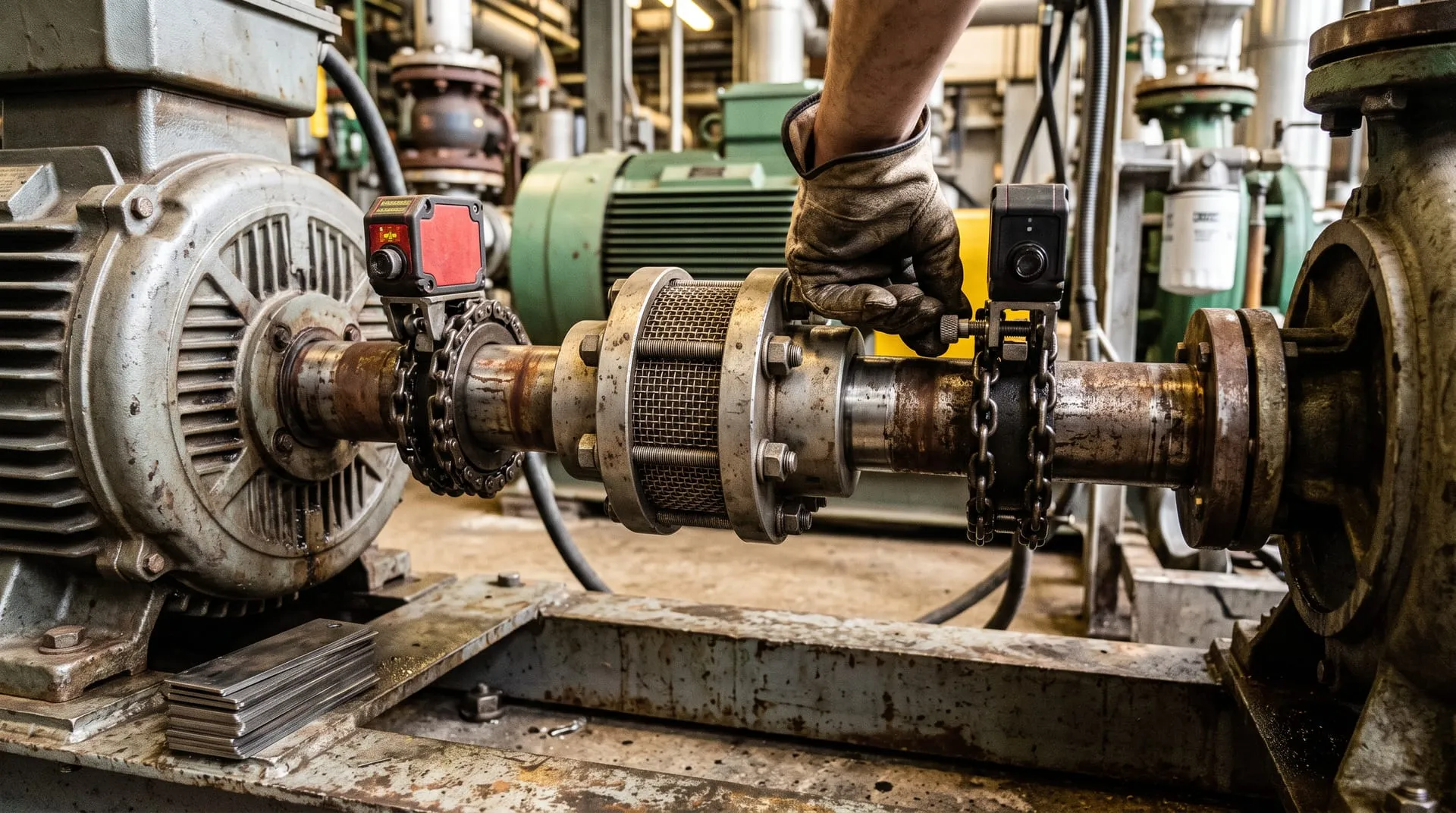
How Often Should Industrial Equipment Be Laser Aligned?
Most plants check critical coupled equipment once a year and after any event that disturbs the drive, such as a motor swap, coupling change, bearing replacement or foundation work. Machines that run hot, sit on weak bases or show rising vibration usually need checks more often. Base the interval on criticality and condition, not the calendar alone.
Guide
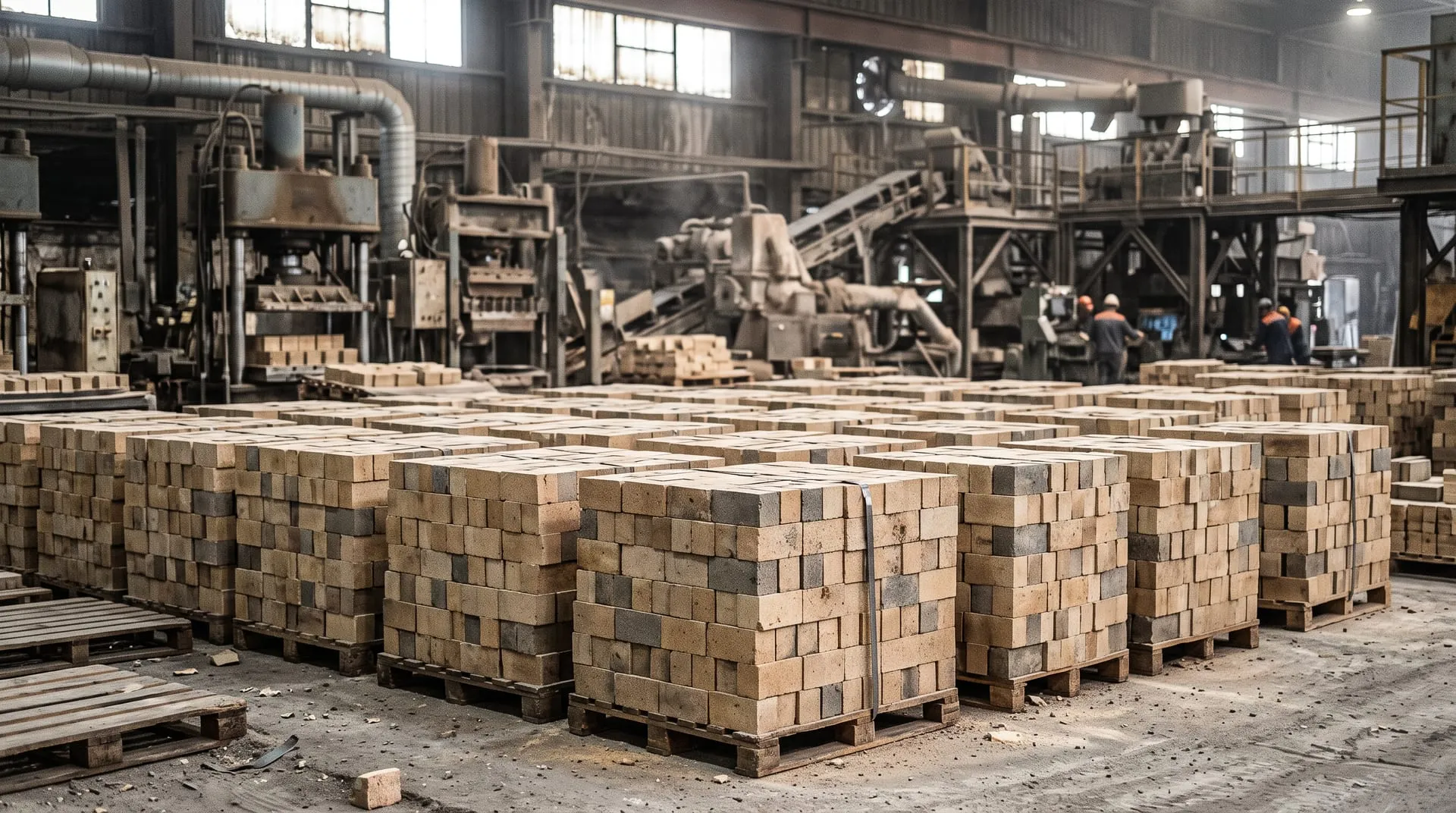
Refractory Brick Press Maintenance Checklist
A refractory brick press needs daily checks of hydraulic oil, leaks, pressures and mold condition; weekly checks of fasteners, guides, filters and safety devices; and periodic outage work on cylinders, pumps, frames, alignment and controls. Abrasive dust is the main enemy, so keep it out of the hydraulics and off wear surfaces.
Guide
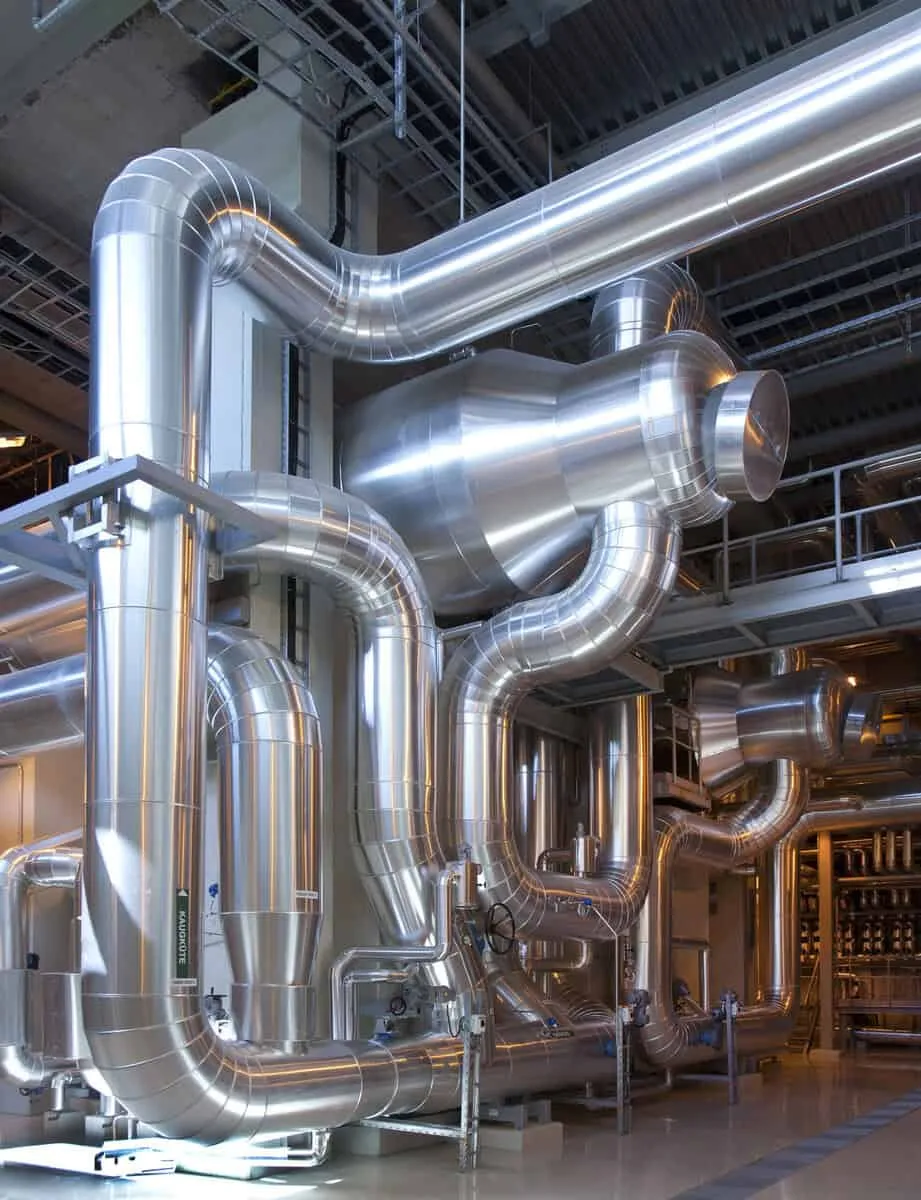
Jacketed vs. Process vs. Sanitary Pipe: What's the Difference?
Sanitary pipe is smooth, cleanable stainless tubing for food, beverage and pharmaceutical product contact. Process pipe is the general piping that moves water, steam, chemicals, oil and gas through a plant. Jacketed pipe is a pipe inside a pipe, where a heating or cooling medium in the outer jacket keeps the product at temperature.
Guide
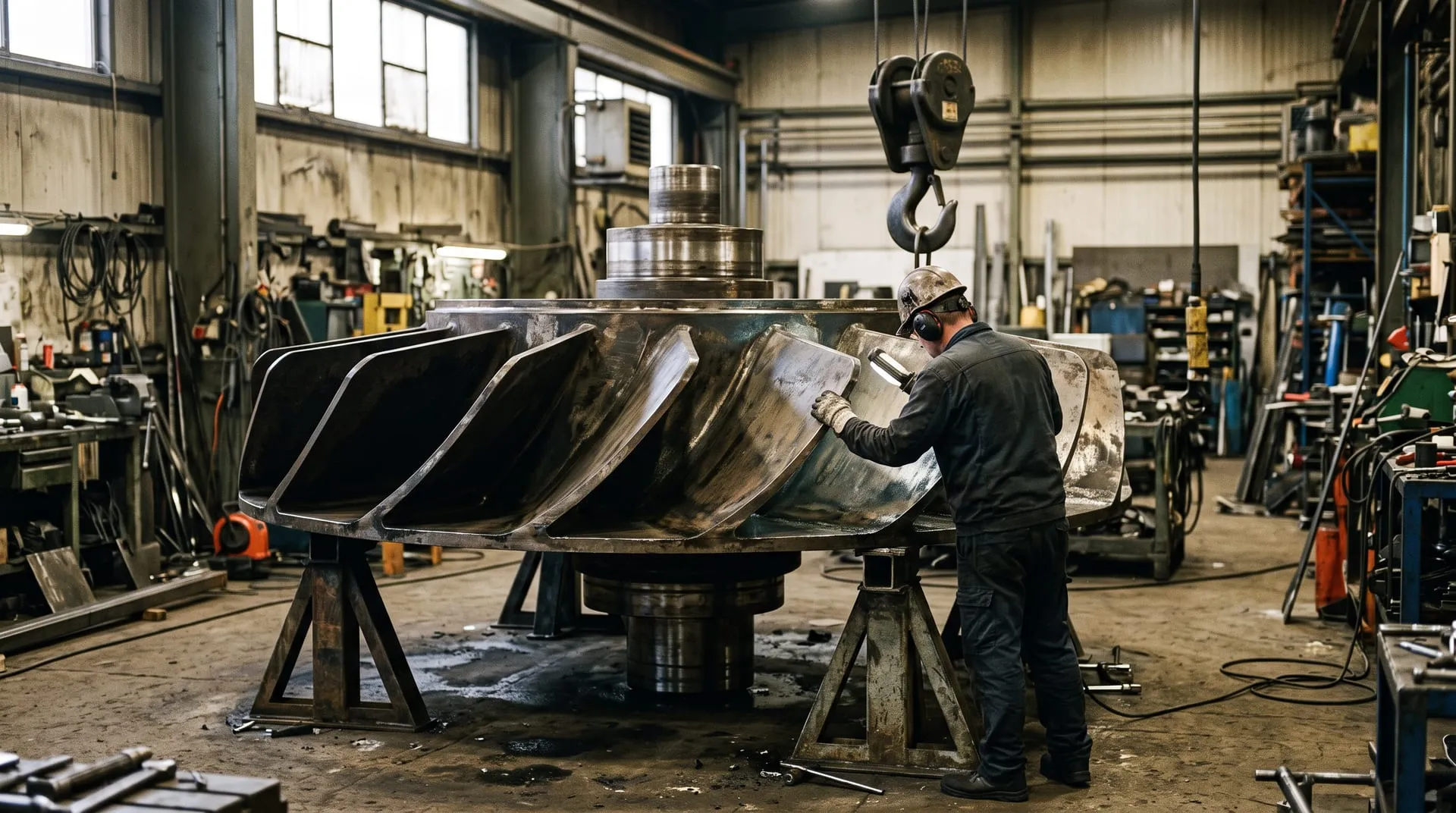
Signs Your Industrial Fan Needs Balancing
An industrial fan usually needs balancing when vibration rises at running speed, bearings fail early, the fan gets louder, or material builds up on or wears off the blades. Imbalance also follows blade repairs, cleaning or a new wheel. Confirm it with a vibration reading, then balance in place or in the shop.
Guide
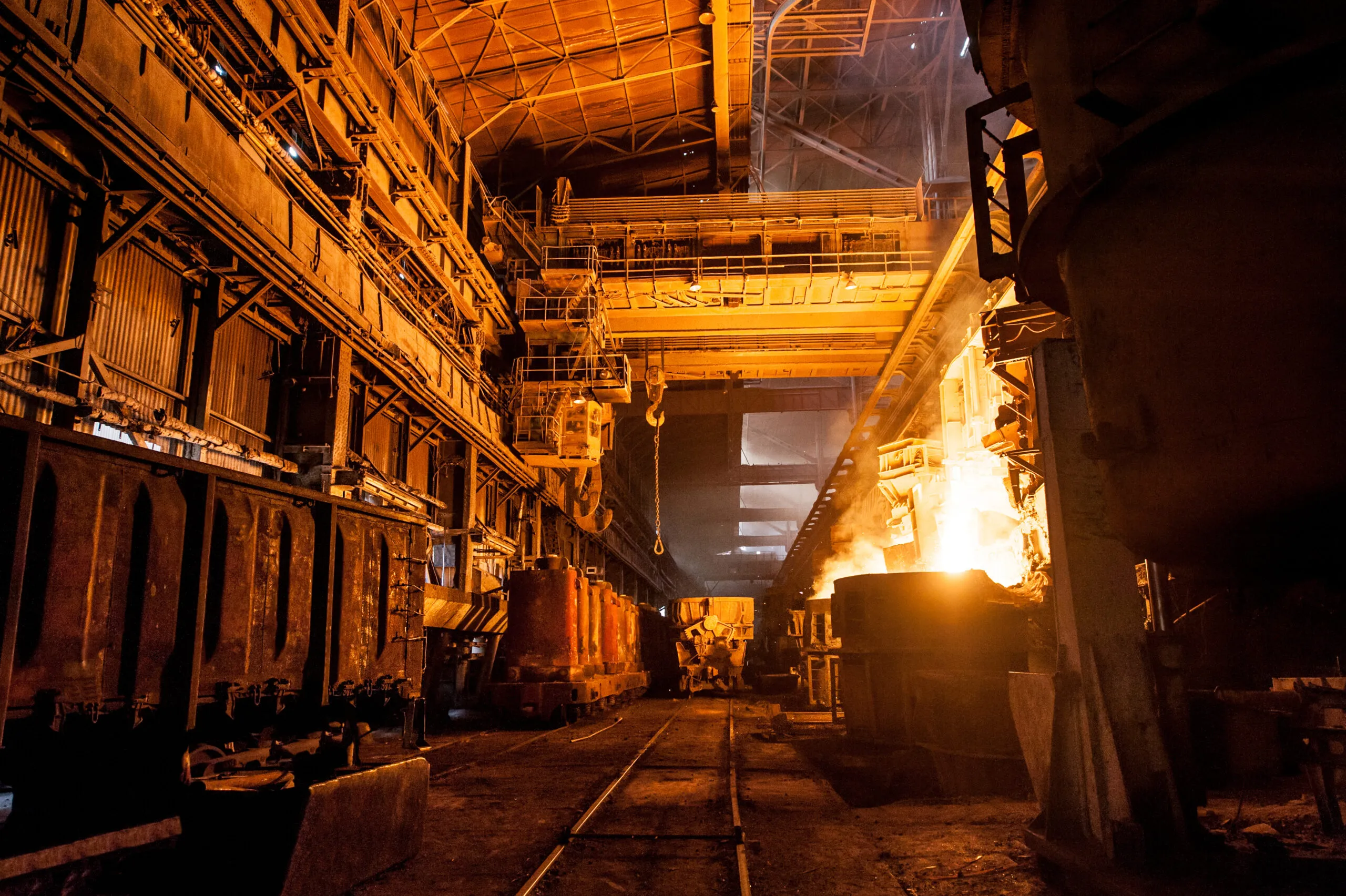
What Does a Millwright Do at a Steel Mill?
At a steel mill, a millwright installs, aligns, repairs and moves the heavy mechanical equipment that makes steel. That includes roll changes, gearbox and drive rebuilds, conveyor and crane work, laser alignment, fan balancing and rigging during outages. Millwrights work from drawings and tolerances, and they often weld and fabricate on the same job.