Machine Shop Servicesin Portage, Indiana
Quick overview
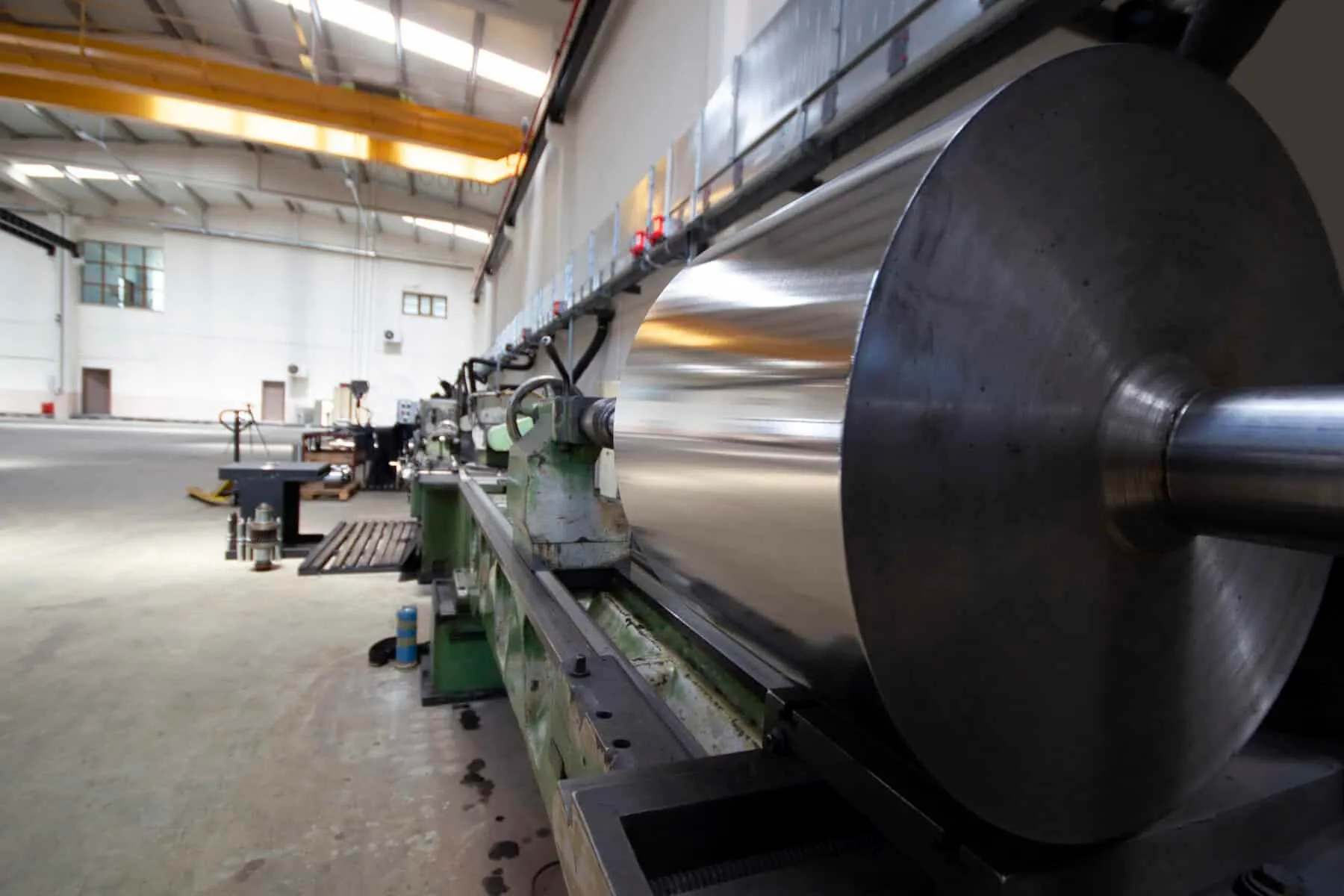
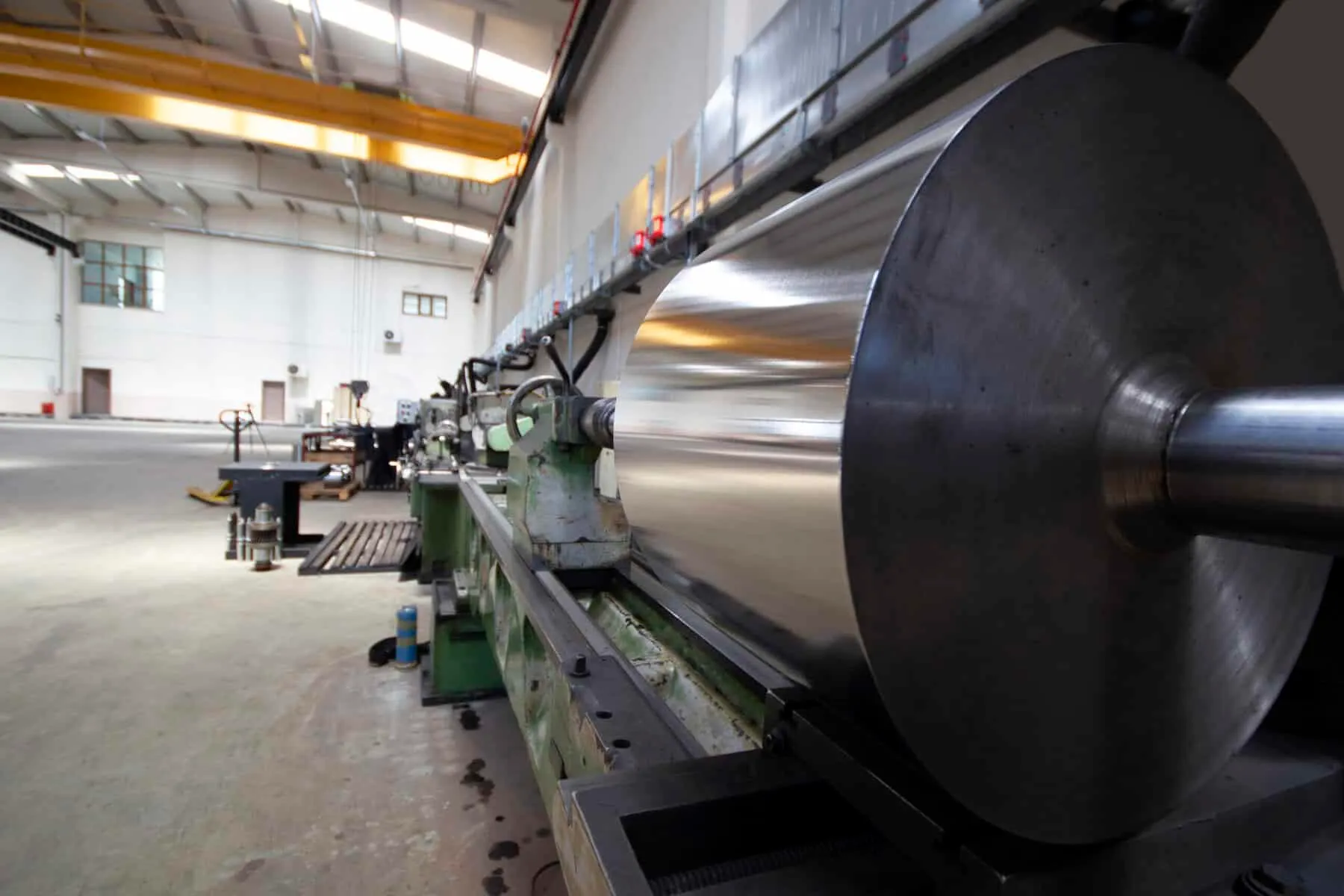
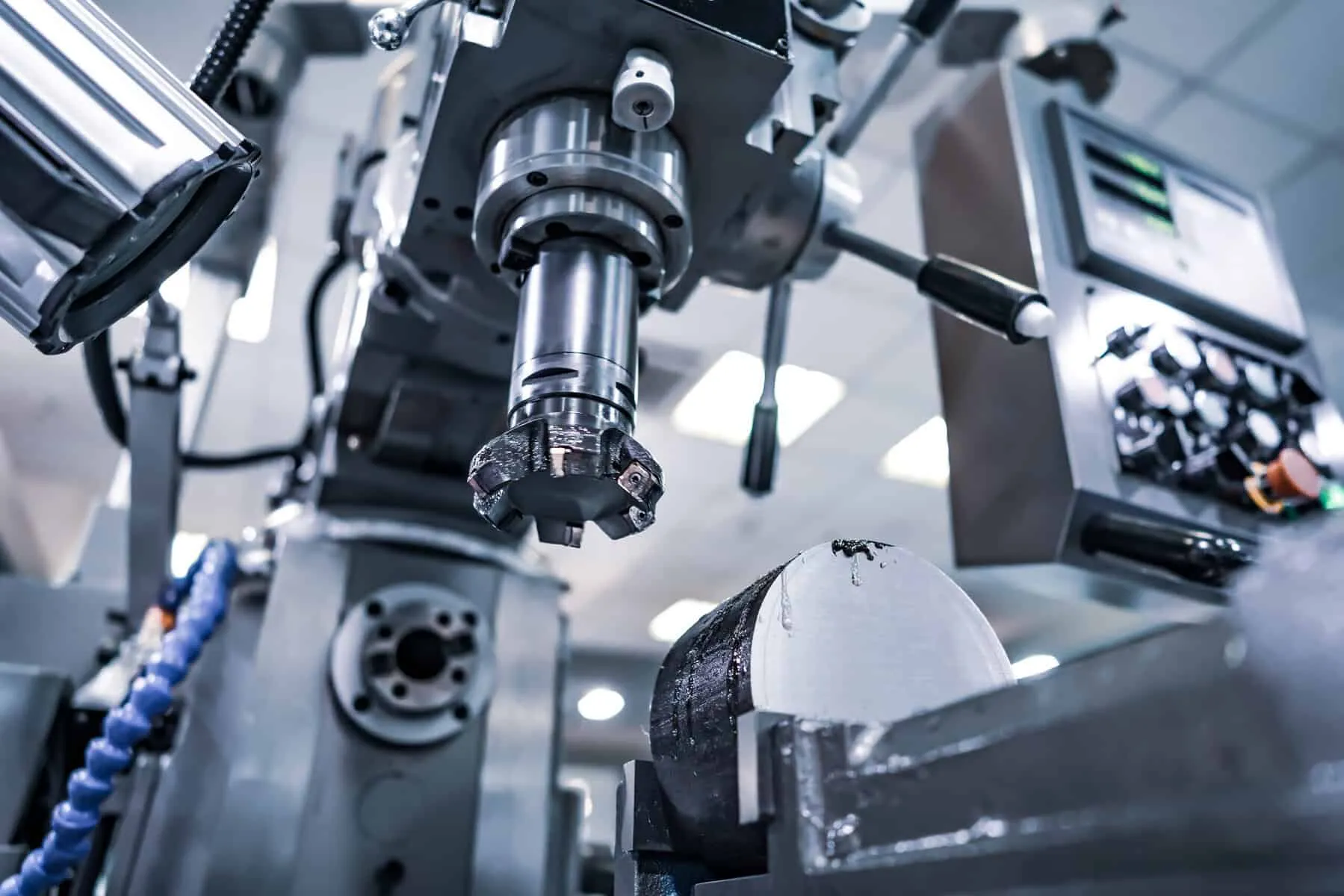
SSI runs an in-house machine shop in Portage, Indiana for industrial plants. We machine custom parts, reverse-engineer replacements for worn or obsolete components, make shafts and bushings, and repair worn parts so they go back in service. The shop supports our millwright and rebuild crews, so machined parts get installed by the same team.
What does the SSI machine shop do?
| Work | What we do | What you get |
|---|---|---|
| Custom machining | Parts machined from your prints or samples | The part you need without waiting on a catalog |
| Reverse engineering | Measure worn or obsolete parts and make replacements | Older equipment kept running when the OEM part is gone |
| Shafts | New shafts and repair of worn journals, keyways and seal areas | A shaft that fits its bearings, seals and couplings |
| Bushings & sleeves | Bushings, sleeves, spacers and wear rings | Restored fits and less play in worn assemblies |
| Worn-part repair | Weld build-up and re-machining of worn surfaces and bores | Parts repaired for less than replacement |
- In-houseOur own shop in Portage.
- Built to fitMeasured against the original or your print.
- Installed by usOur crews put it back in.

How does a machine shop job run?
Step 1: Review
Look at the part, the print and how it fails in service.
Step 2: Measure
Measure the original and mating parts. Build a drawing if there is none.
Step 3: Material
Pick material to match or improve on the original.
Step 4: Machine
Turn, mill, bore and finish the part.
Step 5: Check & install
Inspect against the drawing, then install with our crews.
When to call
When does a part need the machine shop?
Most machine shop work starts with one of these.
- OEM part obsolete or months out
- Worn shaft journals or seal areas
- Loose bearing fits or worn bores
- Play or rattle in a worn assembly
- No drawing for an old machine part
- Breakdown that needs a part today
What does an in-house machine shop do for your plant?
An in-house machine shop makes and repairs the parts that keep industrial equipment running. SSI’s shop in Portage, Indiana machines custom parts, reverse-engineers replacements for worn or obsolete components, makes shafts and bushings, and repairs worn parts. Because the shop works alongside our field crews, the part and the install come from one team.
Plants call a machine shop when the part they need is not on a shelf. The OEM may be out of business. The lead time may be months. Or the machine is old enough that nobody has a drawing. A local shop that understands how the part works in service closes that gap.
What can SSI machine?
We machine replacement and custom parts for industrial equipment. The table covers the most common work.
| Work | Examples | Typical reason |
|---|---|---|
| Custom parts | Brackets, adapters, plates, pins, couplings | Part built to a print or a modification |
| Reverse-engineered parts | Press components, gearbox parts, process equipment parts | OEM part obsolete or long lead time |
| Shafts | Drive shafts, pump shafts, rollers, pins | Worn, bent or broken shaft |
| Bushings & sleeves | Bushings, sleeves, spacers, wear rings | Worn fits, play in an assembly |
| Worn-part repair | Built-up journals, re-bored housings, repaired keyways | Repair costs less than replacement |
How does reverse engineering work?
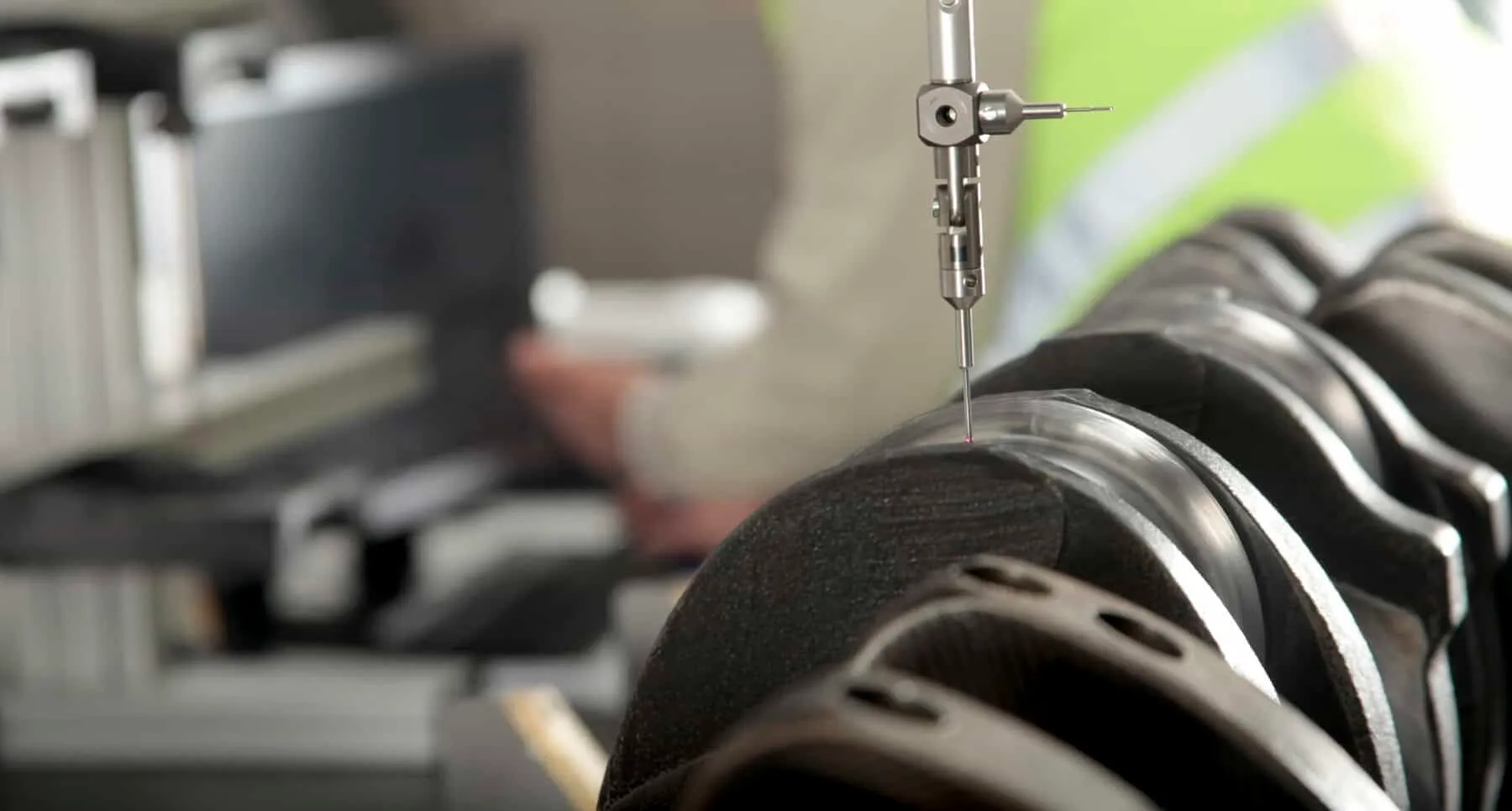
Reverse engineering a part means measuring the original, working out its fits and material, and producing a drawing to make a new one. It is how we keep older refractory presses, gearboxes, pumps and conveyors running when the manufacturer no longer supports them.
The steps:
- Measure the worn part, and the parts it mates with, to find the original sizes.
- Identify bearing fits, clearances and critical surfaces.
- Choose a material that matches the original or holds up better in service.
- Draw the part and confirm it with you.
- Machine, inspect and install it.
The drawing stays on file. If the part wears out again, the next one is faster.
Should you repair a worn part or replace it?
Repair is often the better choice for large, expensive or hard-to-get parts with localized wear, like journals, seal areas, keyways and bores. Replacement makes more sense when the part is cracked through, badly distorted or cheap to remake. We look at the part and tell you which way we would go and why.
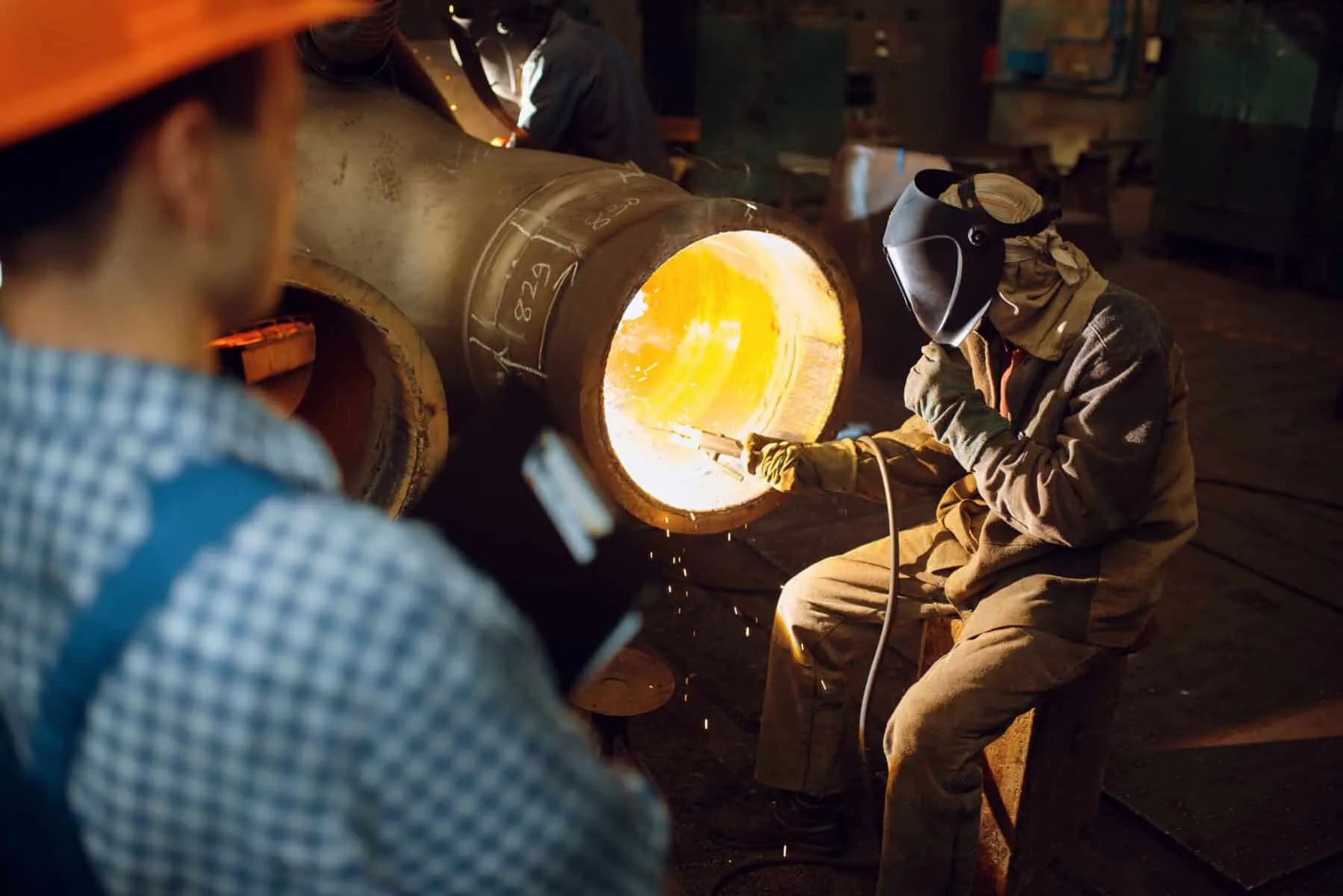
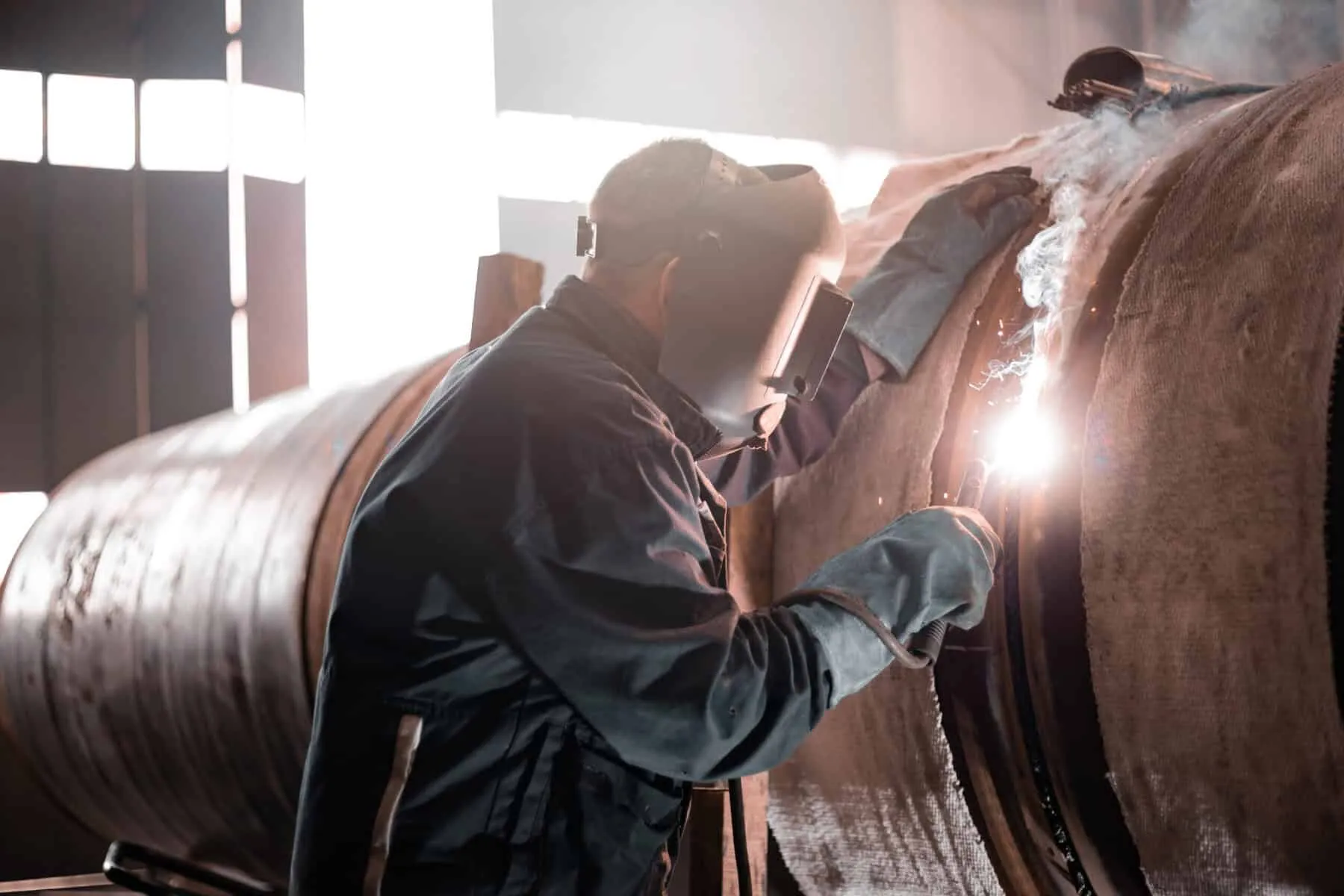
Common repair methods include weld build-up and re-machining, sleeving a worn journal, re-boring a housing and fitting an oversize bushing, and cutting a new keyway. Our specialty welding crew handles build-up and the shop machines it back to size.
How does the machine shop support rebuilds and repairs?
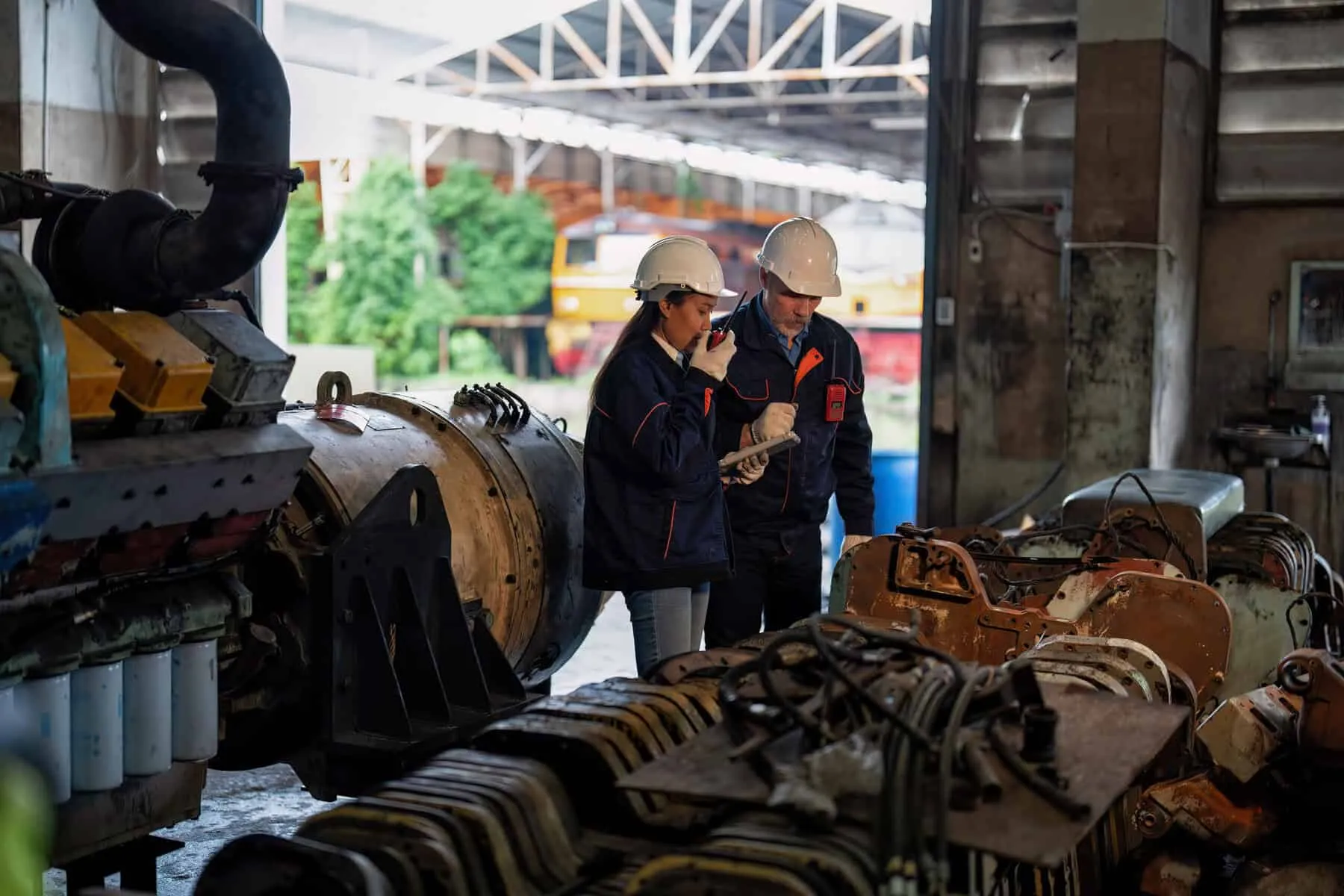
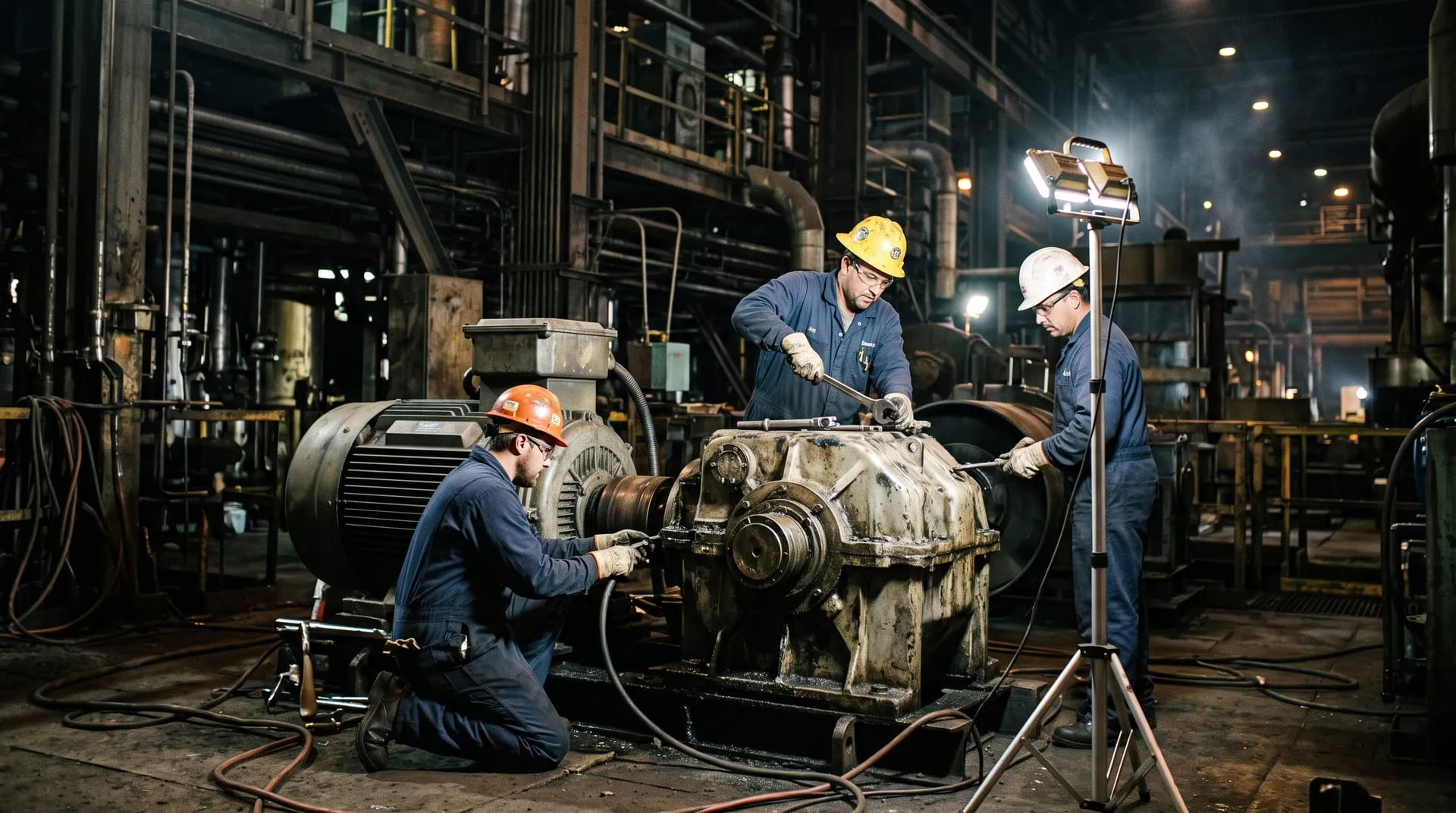
The machine shop is a big part of why our equipment rebuilds and emergency repairs move quickly. When a gearbox or pump comes apart and a shaft, bushing or housing is worn, the shop can repair or remake it without waiting on the OEM.
On our equipment retrofit at a steel mill in Gary, Indiana, components were fabricated in our machine shop and installed on site as part of a retrofit that avoided a full system replacement. Shop work also supports custom metal fabrication, gearbox rebuilds and refractory press repair.
How do you get a part quoted?
Send photos, a print or the worn part itself, along with what the part does and how it failed. Use the quote request form or call (219) 386-1506. Done right the first time.
Machine Shop Services across the Region
Certified & prequalified
 ISNetworld
member contractor Avetta
prequalified AWS certified
welders
Machine Shop Services FAQs
What does SSI's machine shop do?
Our Portage, Indiana machine shop makes custom parts, reverse-engineers replacements for worn or obsolete components, machines shafts and bushings, and repairs worn parts with weld build-up and re-machining. It supports our millwright and rebuild crews, so the parts we make are often installed by the same team.
Can you make a part without a drawing?
Yes. We measure the original part and the parts it mates with, then build a drawing and machine a replacement. Send the worn part or bring it to the shop. If the original is badly worn, we work from the mating parts and how the assembly fits together.
What is reverse engineering a part?
Reverse engineering is measuring an existing part to recreate its dimensions, fits and material so a replacement can be made without the OEM drawing. It is common for older presses, gearboxes and process equipment where the manufacturer no longer supports the machine or lead times are long.
Can you repair a worn shaft instead of replacing it?
Often, yes. Worn bearing journals, seal areas and keyways can be built up with welding or sleeved, then machined back to size. Whether repair makes sense depends on the shaft material, how much wear there is and how the shaft is loaded. We will tell you if replacement is the better call.
Do you make bushings and sleeves?
Yes. We machine bushings, sleeves, spacers and wear rings to restore fits in worn assemblies. Bronze, steel and other materials are chosen to suit the load, speed and lubrication. A worn bushing is often a cheap fix for play and vibration in a pivot or shaft.
Can the machine shop help during a breakdown?
Yes. When a breakdown needs a part that is not on the shelf, our shop can machine or repair it while our field crew gets the equipment opened up and ready. Call (219) 386-1506 any time and tell us what broke and what the machine does.
Do you only machine parts for your own jobs?
No. We machine parts for plants that send us prints or worn parts directly, and we machine parts for our own rebuild, retrofit and installation work. Either way, tell us how the part is used so we can get fits and material right.
Related services
All services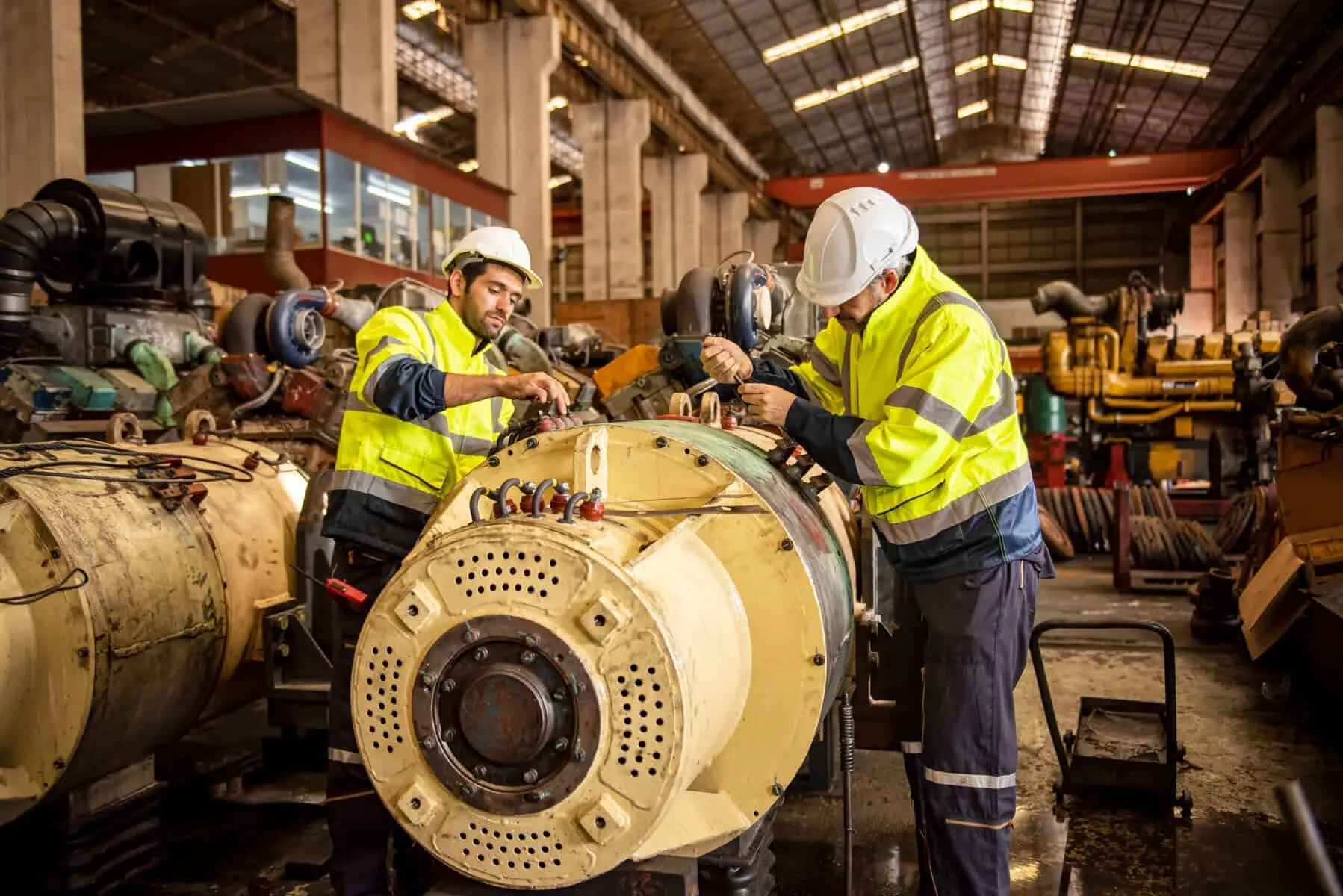

Request a machine shop services quote
Tell us what's running rough. We'll tell you how fast we can be there.