Industrial Equipment Retrofittingin Northwest Indiana
Quick overview
Equipment retrofitting upgrades the machine you already own with new components, controls or structural changes, instead of replacing the whole system. SSI assesses the equipment on site, machines and fabricates custom parts in our Portage shop, and installs and aligns them, often inside a planned outage.
What does an equipment retrofit include?
| Upgrade | What we do | What you get |
|---|---|---|
| Component replacement | Swap worn or obsolete parts with shop-built or current parts | Fewer breakdowns |
| Custom parts | Machine and fabricate parts to fit the existing equipment | No waiting on discontinued OEM parts |
| Controls upgrades | Integrate Allen-Bradley controls on older equipment | Modern controls on a proven machine |
| Structural changes | Modify frames, bases and supports for new duty | Equipment that fits the new process |
| Process pipe changes | Fabricate and modify process piping | Piping matched to the upgrade |
| Alignment & testing | Laser-align drives, test and fine-tune | Proof it runs right |
- On-site assessmentWe look before we quote.
- Shop-built partsMachined and fabricated in Portage.
- Fits your schedulePlanned around production.

How does a retrofit work?
Step 1: Assess
Evaluate the equipment on site and decide what to retrofit and what to keep.
Step 2: Plan
Scope the parts, schedule and outage window.
Step 3: Fabricate
Machine and fabricate custom parts in our Portage shop.
Step 4: Retrofit on site
Install, modify piping and laser-align drives.
Step 5: Test & tune
Run the equipment and adjust until it performs.
Signs it's time
When is a retrofit the right call?
A retrofit makes sense when the core machine is sound but parts of it are holding you back.
- Frequent breakdowns on older equipment
- OEM parts discontinued or on long lead times
- Outdated controls nobody can support
- Process changed but the machine didn't
- Replacement cost is hard to justify
- No time for a full replacement project
Should you retrofit or replace?
Retrofit when the core of the machine is sound and specific parts are causing the trouble. Replace when the frame, housing or basic design can’t do the job anymore. In many mills and process plants, the frame and foundation outlast the drives, controls and wear parts by decades. That is the gap a retrofit fills.
Here is how we weigh it:
| Factor | Points to retrofit | Points to replace |
|---|---|---|
| Frame and foundation | Sound, no structural cracking | Cracked, distorted or undersized |
| Parts | Specific parts worn or obsolete | Wear across the whole machine |
| Process | Same duty, or a change the frame can handle | A duty the design can’t meet |
| Schedule | Must fit a short outage | Time for a long project |
| Cost | Upgrade costs well below new | Upgrade approaches the cost of new |
We’ll give you a straight answer. If replacement is the better buy, we’ll say so, and we can install the new equipment too.
What does a retrofit project look like?
A retrofit at a steel manufacturing facility in Gary, Indiana shows how it works. The plant had outdated equipment that broke down often and was causing production delays. They wanted an upgrade without a full system replacement.
The project took 3 weeks:
- Assessment. Our team evaluated the equipment on site and decided which components could be retrofitted.
- Custom fabrication. Our machine shop built custom parts to fit the existing equipment.
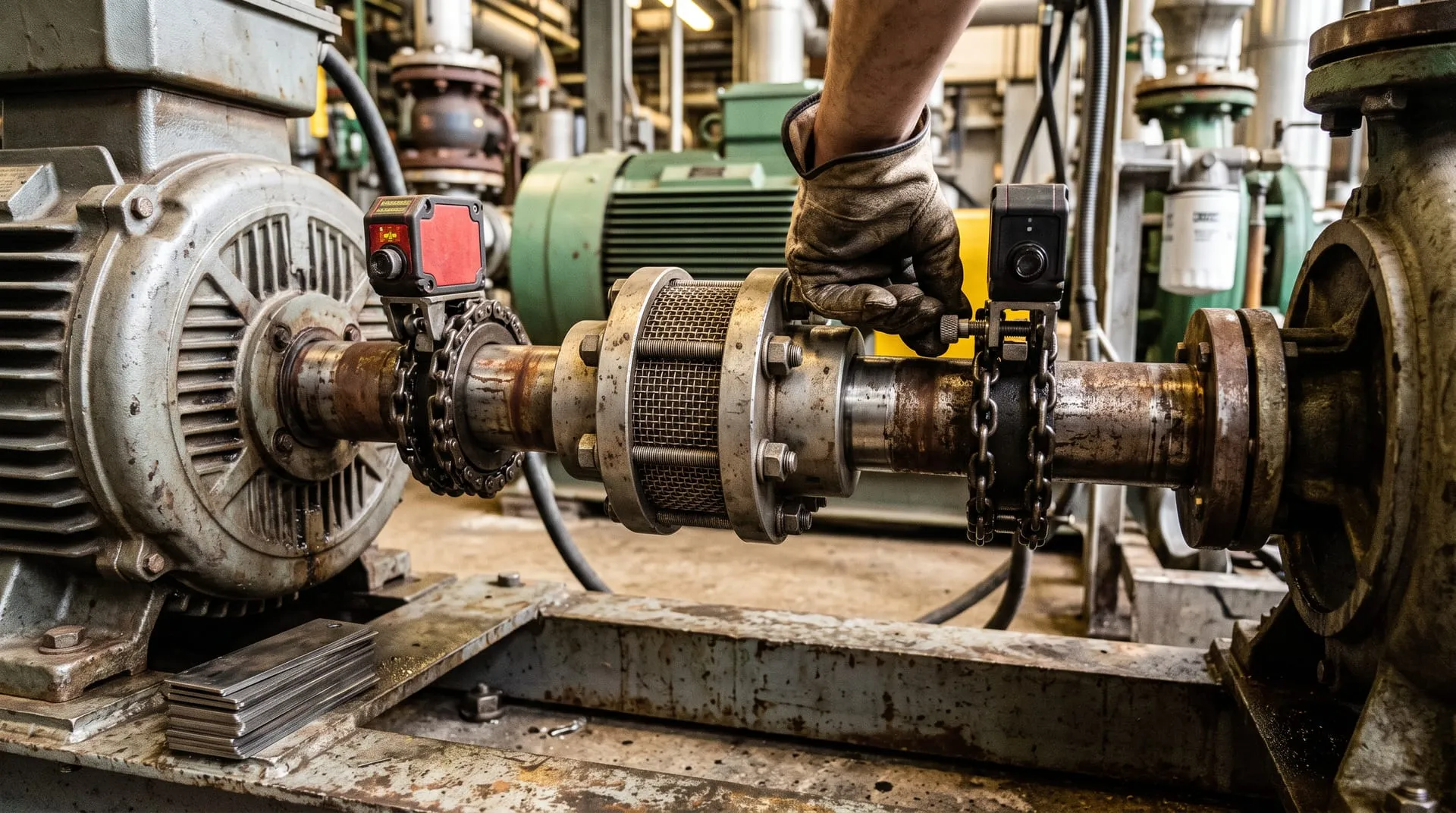
- On-site retrofitting. Our crew installed the upgrades, including motor and gearbox laser alignment and process pipe modifications.
- Testing and tuning. We tested the equipment after installation and adjusted it for performance.
The result was less downtime and fewer breakdowns, and the plant avoided a full system replacement. The work was completed inside the client’s schedule. Read the full Gary steel mill retrofit case study.
What can be retrofitted?
Most heavy industrial equipment can be retrofitted in some way. Common retrofits include:
- Component replacement: worn or obsolete bearings, shafts, gears, couplings and wear parts.
- Custom parts: machined in our machine shop when OEM parts are discontinued.
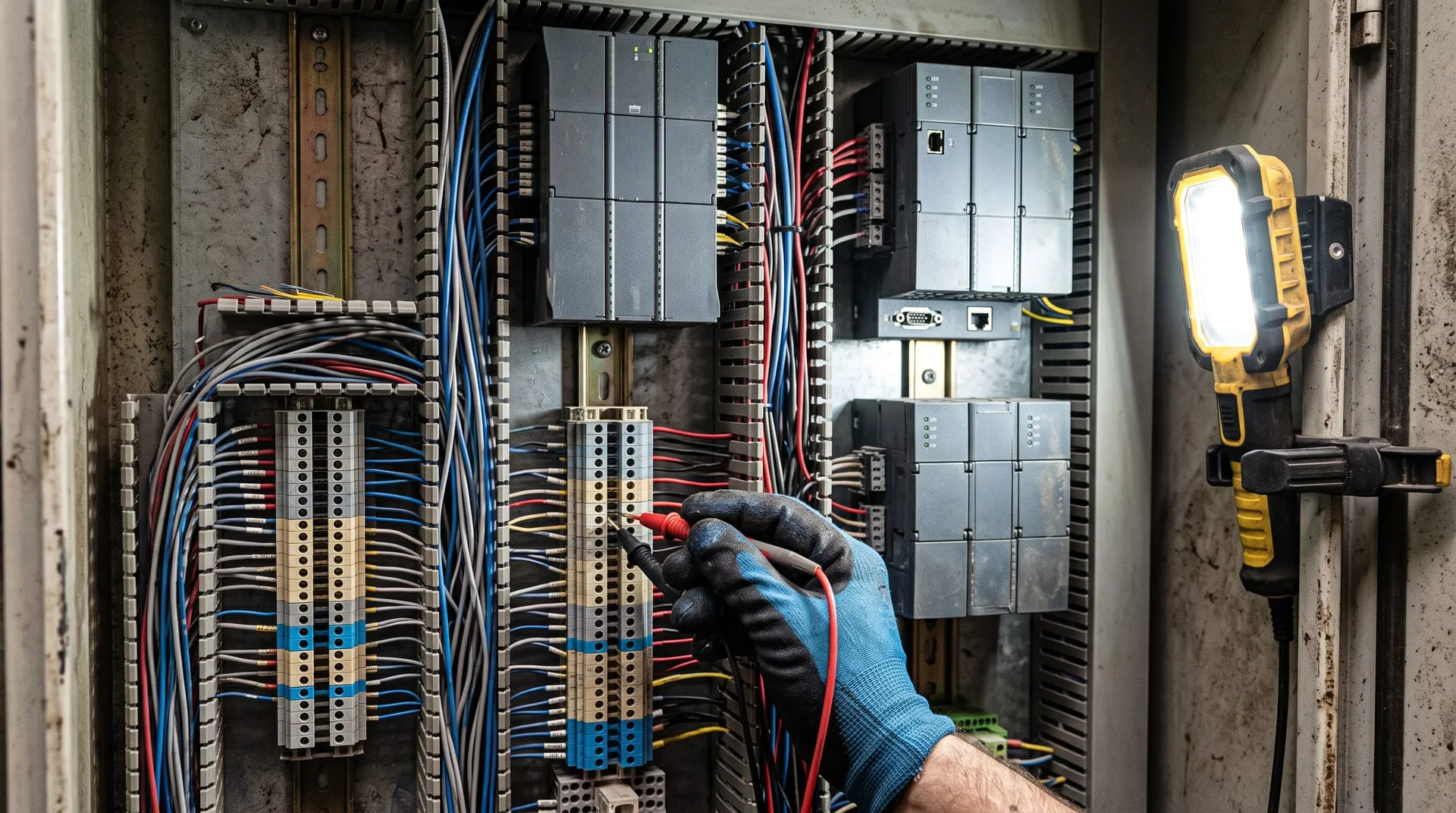
- Controls upgrades: Allen-Bradley controls on older equipment. See controls and automation.
- Structural modifications: frames, bases and supports changed for a new duty or layout.
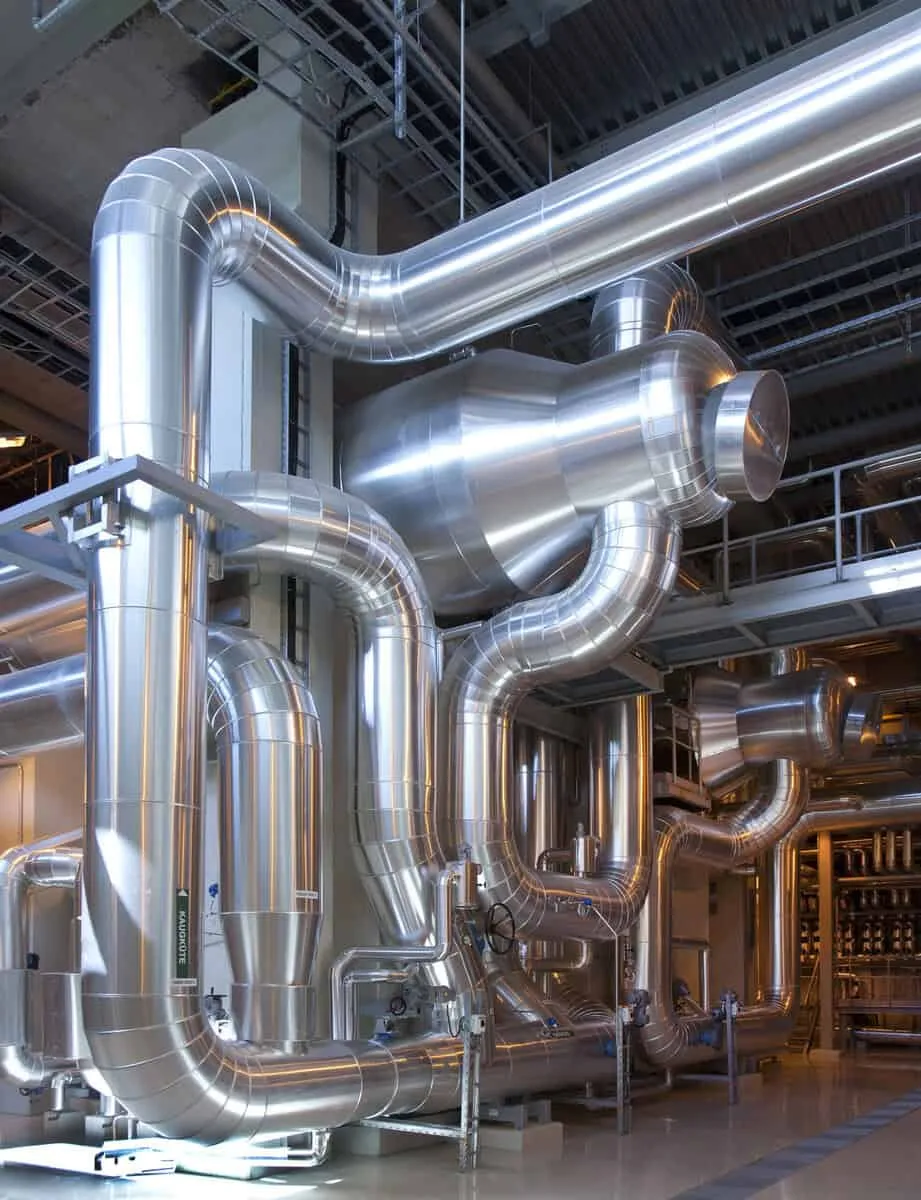
- Process piping: fabricated and modified to match the upgrade. See pipe fabrication.
- Efficiency work: components changed to reduce energy use or improve output.
Why do shop and field work under one roof matter?
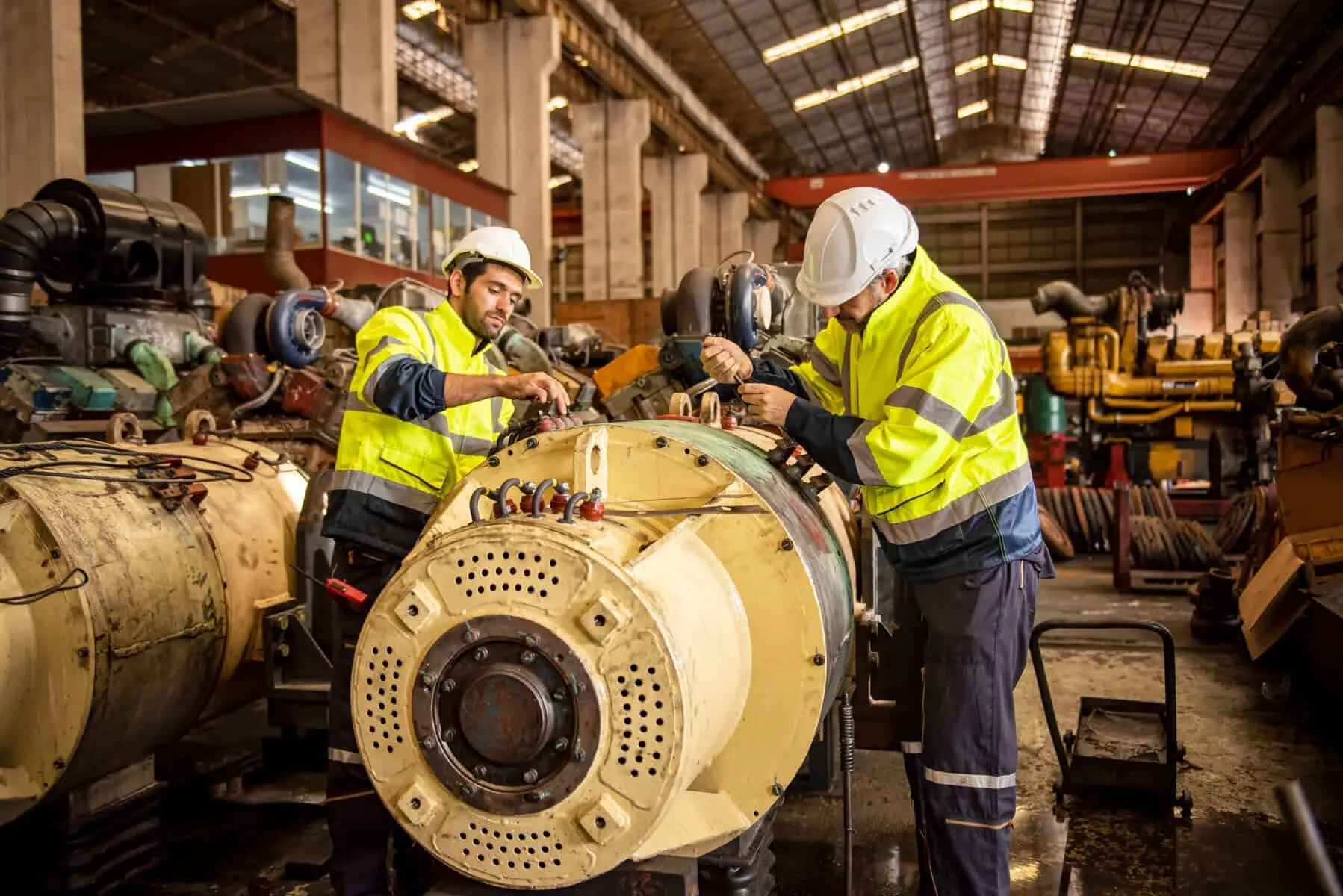
A retrofit lives or dies on fit. When the same company measures the equipment, machines the parts and installs them, the parts fit the first time. Our Portage shop machines and fabricates the components. Our field crews install and laser-align them and run the tests.
That also means the crew that retrofits a machine can rebuild it later. See our equipment rebuilds for gearbox and pump work.
Where do we do retrofit work?
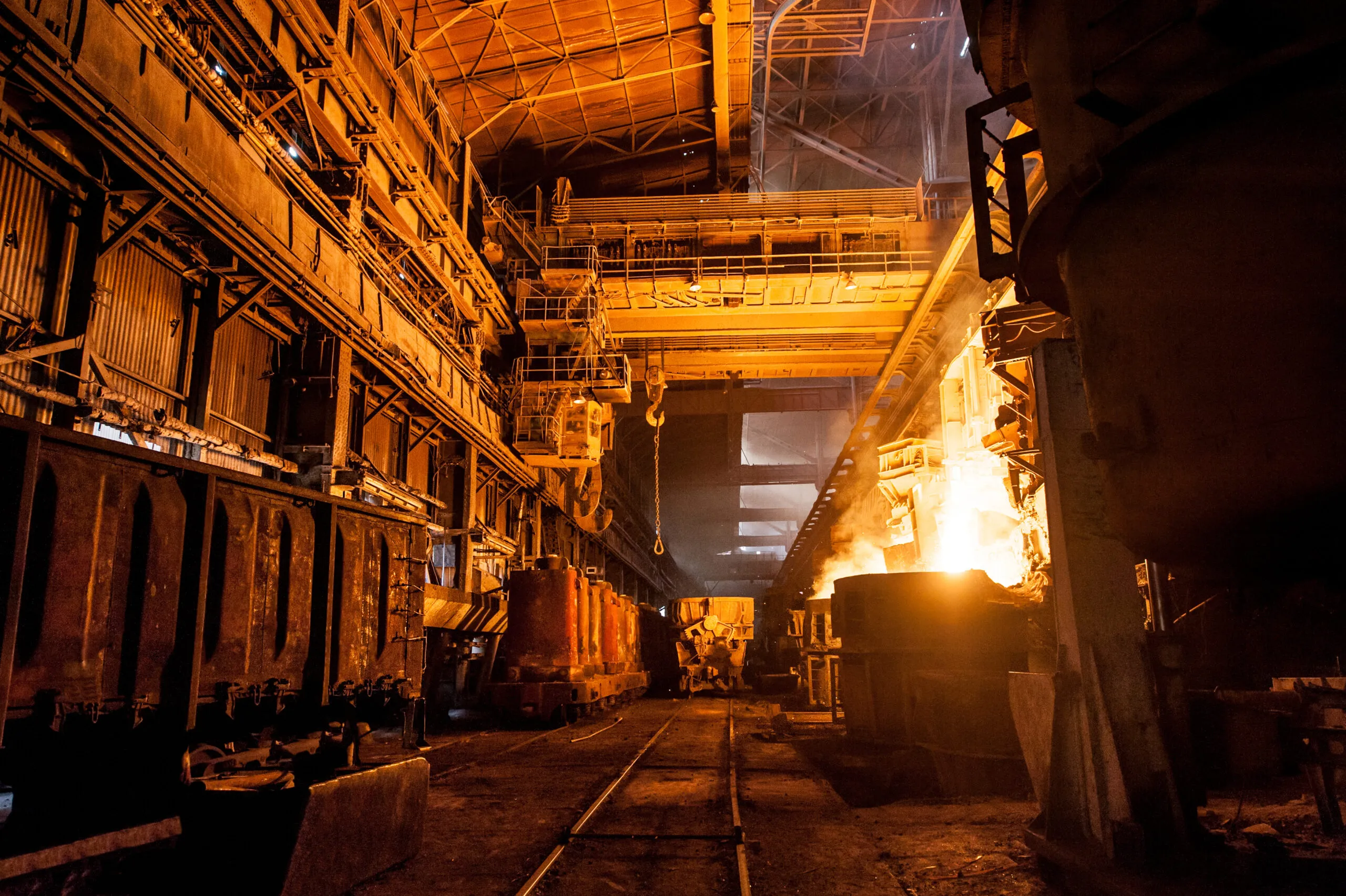
Our crews work from Portage across Northwest Indiana and Chicagoland, in steel mills, refractory plants, paper mills and process plants. Every job starts with a job hazard analysis (JHA). SSI is ISNetworld and Avetta prequalified. Tell us what the equipment is and what keeps failing.
Equipment Retrofitting across the Region
Certified & prequalified
 ISNetworld
member contractor Avetta
prequalified AWS certified
welders
Equipment Retrofitting FAQs
What is equipment retrofitting?
Equipment retrofitting is upgrading existing equipment with new components, controls, structural changes or piping, instead of replacing the whole machine. It keeps the parts that are still sound, like frames, housings and foundations, and replaces or improves the parts that cause breakdowns or limit performance.
Is it cheaper to retrofit or replace industrial equipment?
Often, retrofitting costs less, because you keep the frame, foundation and much of the machine, and the work fits inside a planned outage. But not always. If the frame is cracked, the design can't meet the new duty, or parts across the machine are worn out, replacement may be the better buy. We'll tell you which.
Can you retrofit equipment the manufacturer no longer supports?
Yes. That is one of the most common reasons for a retrofit. Our Portage machine shop can make replacement parts from the worn part, old drawings or field measurements, and our crews can integrate Allen-Bradley controls on older equipment so you aren't relying on obsolete hardware.
How long does a retrofit take?
It depends on the scope. Our case study at a steel manufacturing facility in Gary, Indiana took 3 weeks, from assessment through fabrication, on-site retrofitting and testing. Smaller retrofits can be done in a single outage. We schedule the work around your production.
Can a retrofit be done without shutting down the whole plant?
Usually, yes. Parts are machined and fabricated in our shop before the equipment comes down, so on-site work is kept to a short window. Retrofits are often scheduled inside planned outages. In the Gary case study, the work was finished inside the client's schedule.
Do you upgrade controls as part of a retrofit?
Yes. Our crews can integrate Allen-Bradley controls into older equipment as part of a retrofit. We coordinate electrical work with your electricians or electrical contractor so the mechanical and controls changes come together during the same window. That keeps the equipment down once instead of twice.
What industries do you retrofit equipment for?
Steel mills, refractory plants, pulp and paper mills, chemical processing plants, power plants and food and beverage plants across Northwest Indiana and Chicagoland. Refractory presses and their handling systems are a specialty. We work on all makes and models, from a single drive to a full line.
Related services
All services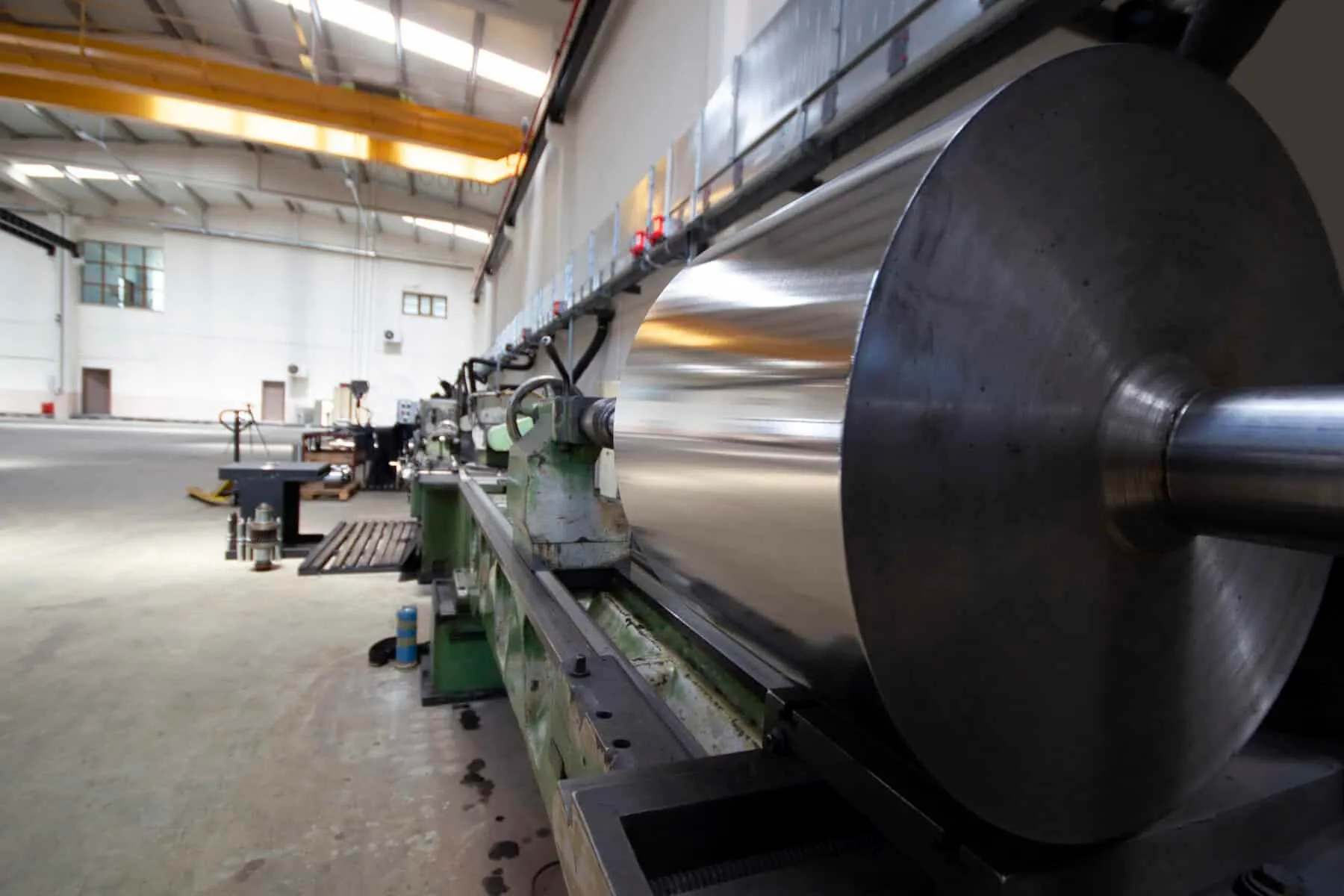

Request a equipment retrofitting quote
Tell us what's running rough. We'll tell you how fast we can be there.